
Polish Films Featured at the European Film Festival 2025 in Bangladesh
The European Film Festival 2025 returns to Bangladesh from 4–7 December, celebrating the rich diversity and creativity of European cinema. This year’s edition brings together a vibrant selection of films from across Europe and Bangladesh, creating a space where cultures meet, stories connect, and new perspectives emerge.
The theme of the 2025 festival, “In Transition,” explores powerful narratives of personal, social, and environmental transformation. Audiences are invited to engage with stories that reveal how individuals and communities adapt, evolve, and find strength in times of change.
Polish Films Featured at the Festival
The Polish Institute is delighted to announce that two outstanding Polish films have been selected for this year’s festival lineup, each offering a unique and compelling take on the festival’s theme.
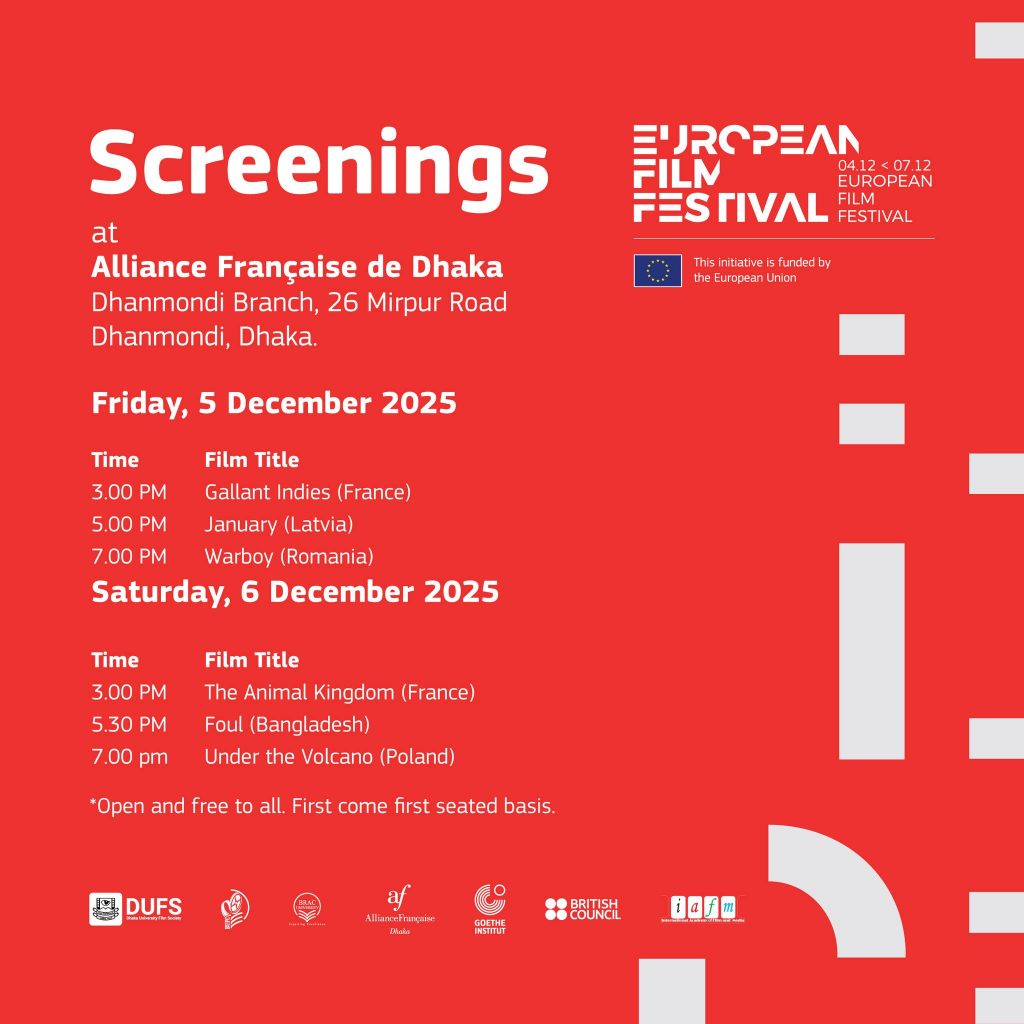
Under the Volcano
Directed by: Damian Kocur
Year: 2024
Duration: 102 minutes
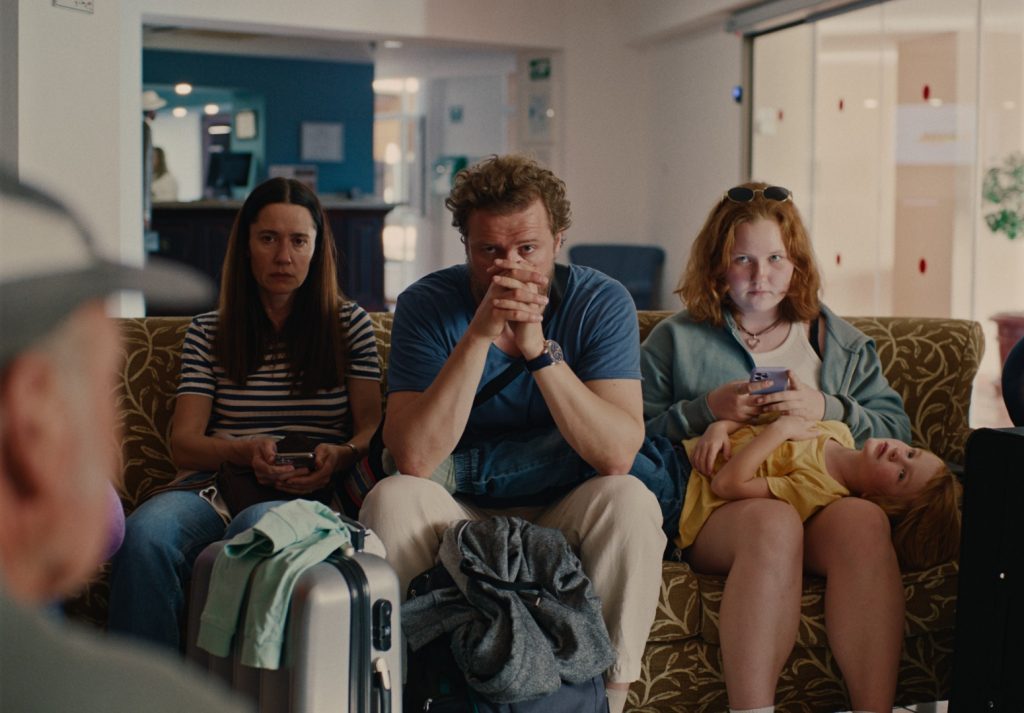
Damian Kocur’s second feature, Under the Volcano, follows a Ukrainian family enjoying the final day of their holiday in Tenerife. Their world shifts abruptly when they arrive at the airport to learn that their flight has been cancelled—Russia has invaded Ukraine.
What began as a peaceful family vacation becomes a story of displacement, fear, and the sudden loss of normalcy. Stranded on the island, the family’s journey mirrors the emotional turmoil of becoming refugees overnight. Kocur’s film is a sensitive and timely reflection on crisis, identity, and the fragility of everyday life.
Directed by: Maria Zbąska
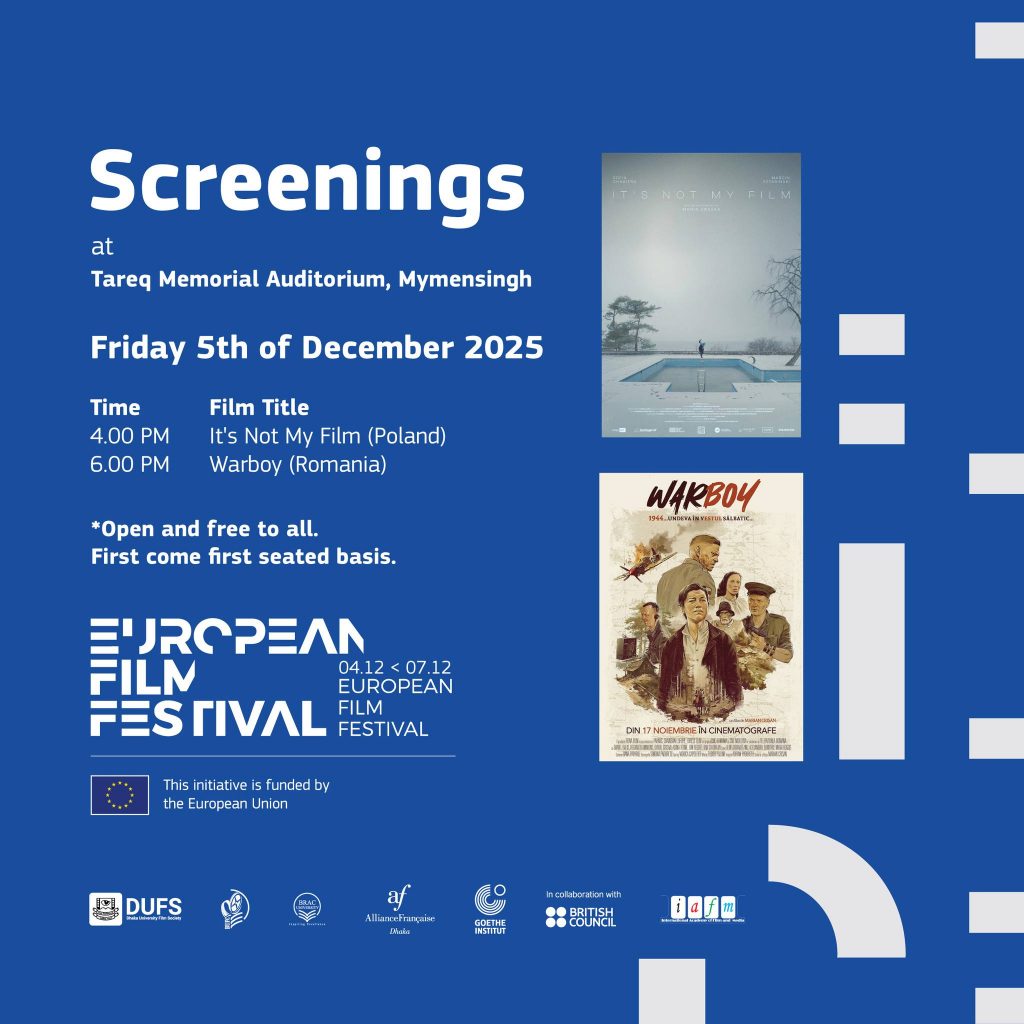
To nie mój film / It’s Not My Film
Year: 2024
Duration: 99 minutes
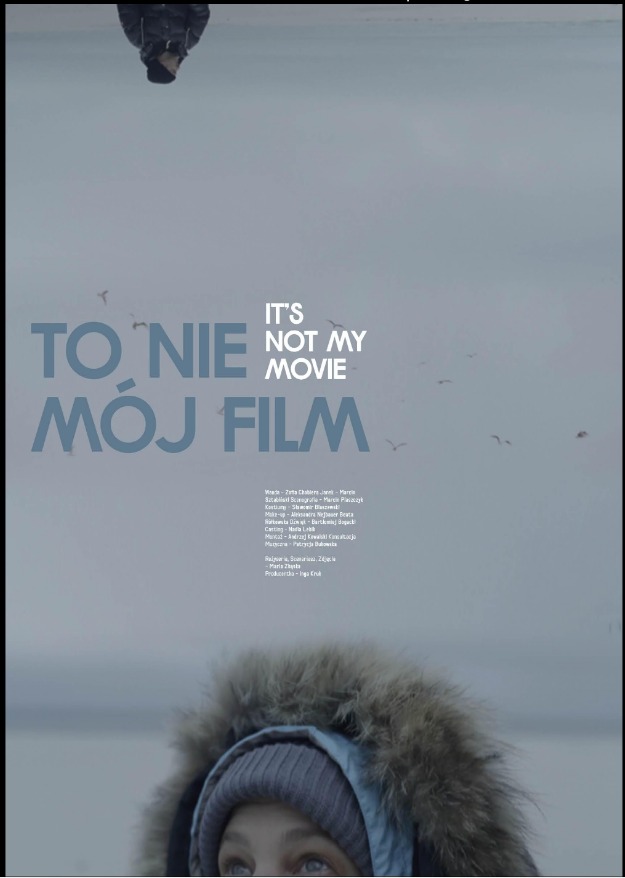
Maria Zbąska’s To nie mój film / It’s Not My Film is an intimate and evocative portrayal of a couple at a crossroads. Wanda and Janek set out on a trip along the winter Baltic coast, making one final attempt to salvage their relationship.
Through quiet landscapes, emotional dialogue, and authentic performances, the film explores themes of love, introspection, distance, and reconnection. Zbąska crafts a story that is both deeply personal and universally relatable.