
Exhibition “Humanist Modernity. The Unbuilt Chandigarh of Maciej Nowicki” at Museum and Art Gallery in Chandigarh
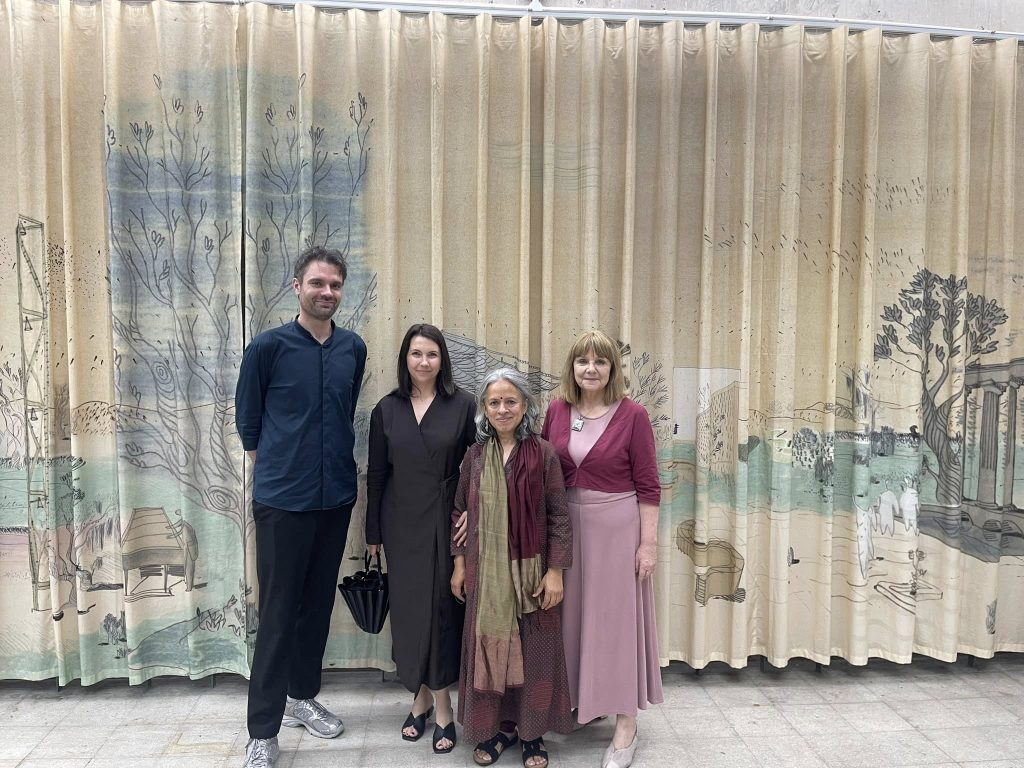
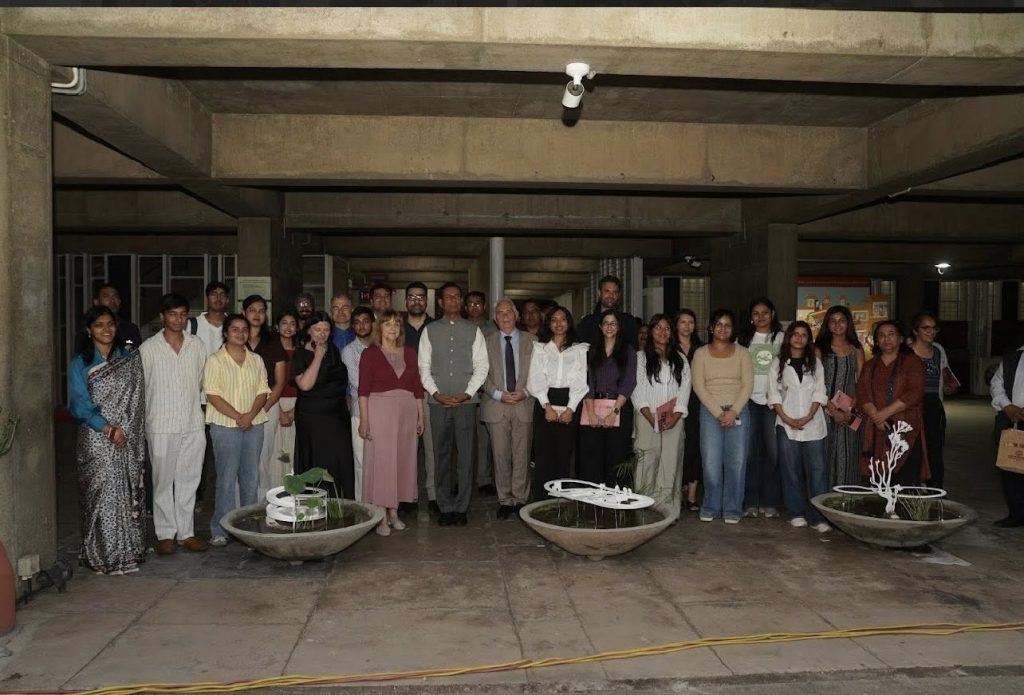
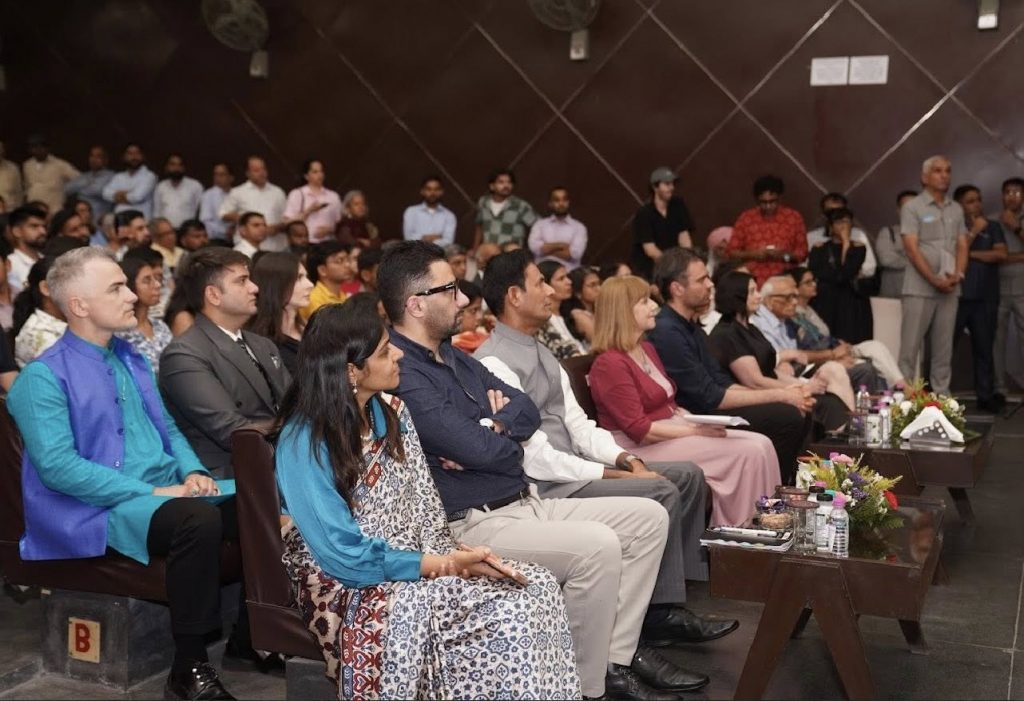
Chandigarh witnessed a significant cultural and intellectual moment with the inauguration of the exhibition Humanist Modernity: The Unbuilt Chandigarh of Maciej Nowicki at the Government Museum and Art Gallery on 12 May 2026. The event brought together distinguished dignitaries, architects, scholars, and members of the cultural community to revisit a remarkable yet lesser-known chapter in the city’s history.
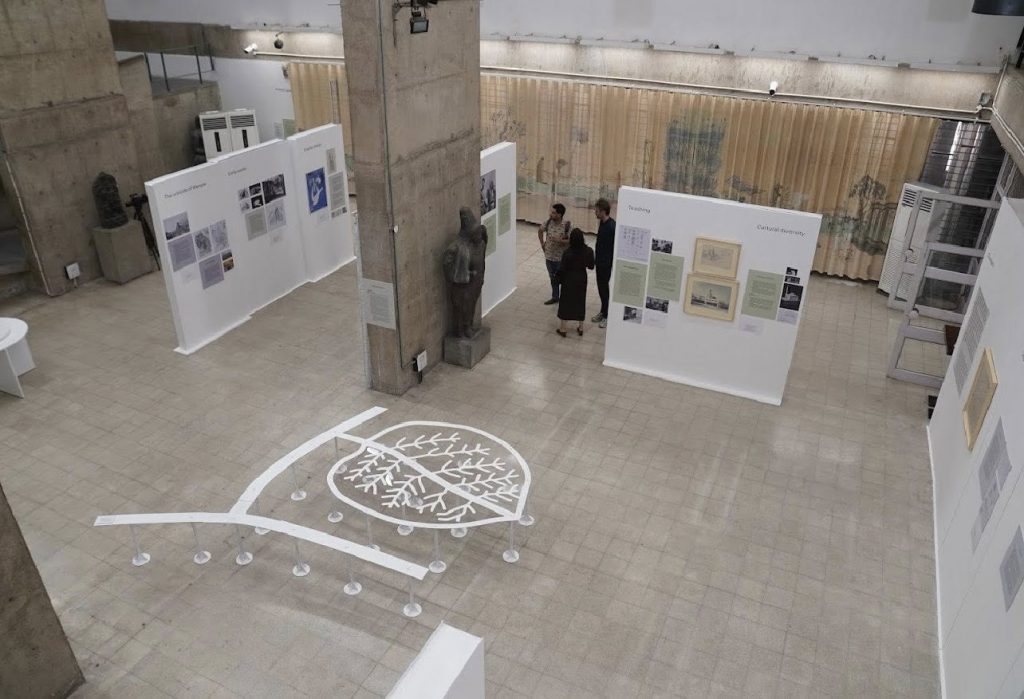
The exhibition traces the extraordinary life and work of Polish architect Maciej Nowicki, whose visionary approach to architecture continues to resonate decades after his untimely demise. Through a rich display of original drawings, plans, and archival material, the exhibition offers a rare insight into Nowicki’s proposed master plan for Chandigarh – an unbuilt vision rooted in humanist modernity.
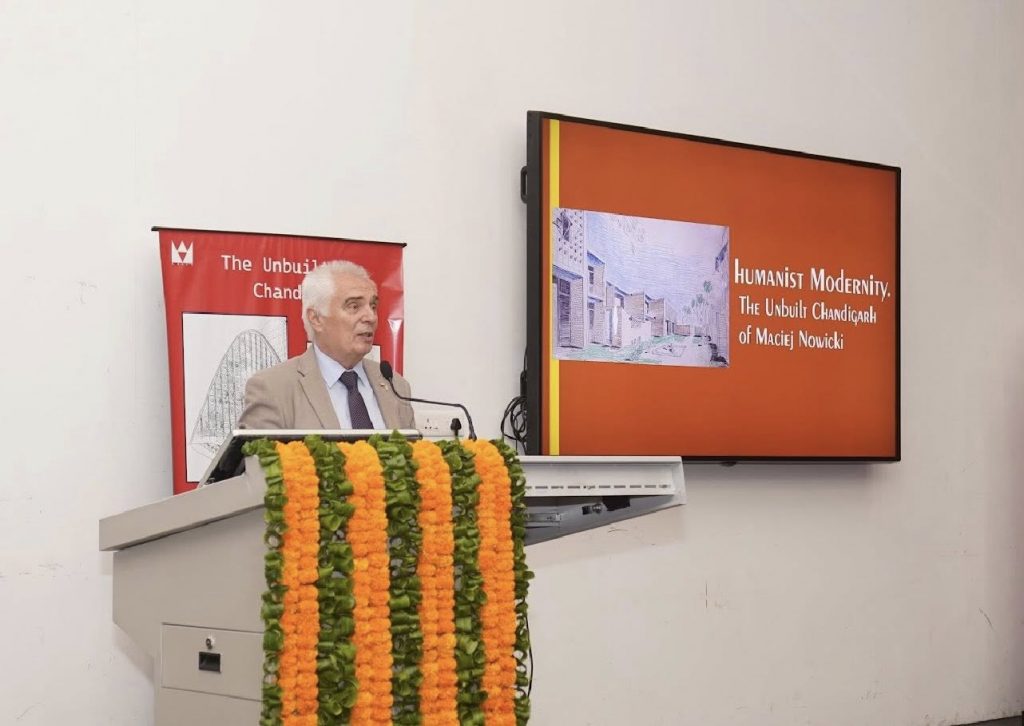
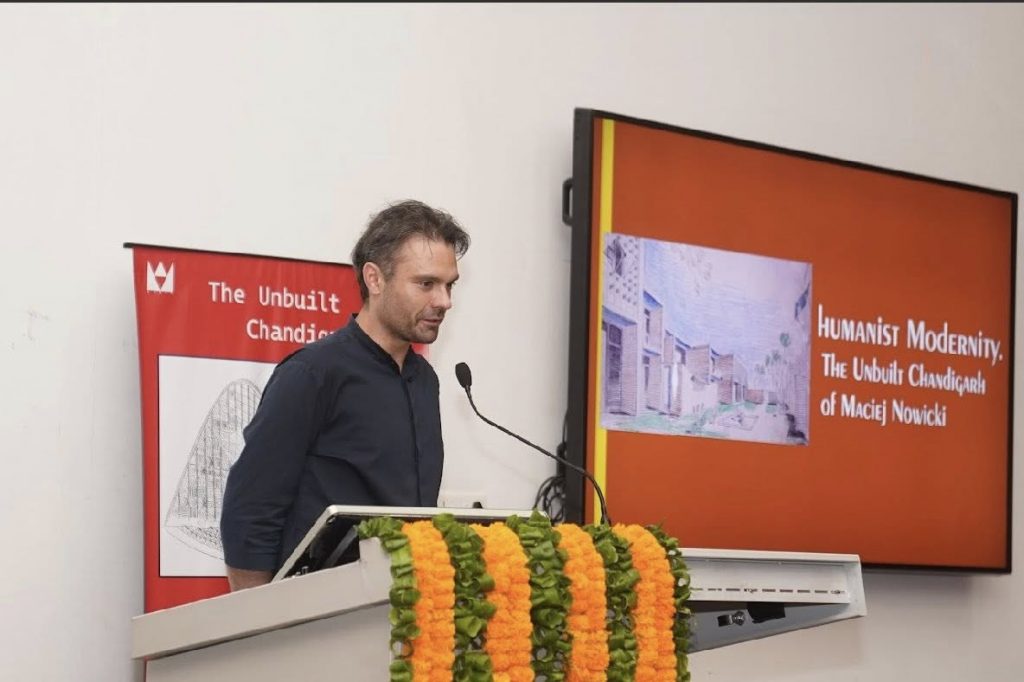
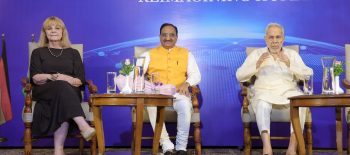
The programme commenced with a welcome address by Dr. Syed Abid Rasheed Shah, IAS, Secretary, Culture, followed by an address by the curator, Mr. Kacper Kępiński, Deputy Director at the National Institute of Architecture and Urban Planning, Warsaw. The evening also featured remarks by H.E. Dr. Piotr Antoni Świtalski, Head of Mission of the Embassy of the Republic of Poland in New Delhi and Shri H. Rajesh Prasad, IAS, W/Chief Secretary.
A key highlight of the evening was the screening of a specially produced six-minute pilot film announcing a forthcoming documentary on Maciej Nowicki. Produced by the Polish Institute and directed by Suraj Kumar, the film offers a compelling introduction to Nowicki’s vision for Chandigarh, situating it within a broader architectural and historical context. The documentary aims to further explore his ideas, legacy, and the enduring relevance of his human-centric approach to urban design.
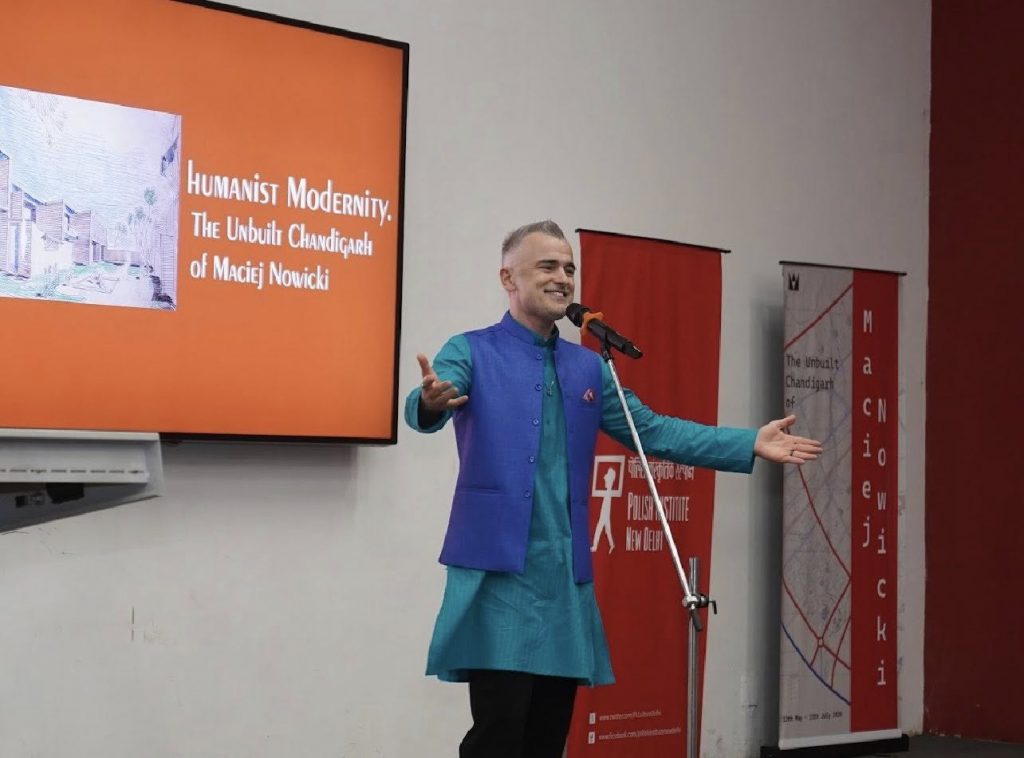
The event also celebrated cultural exchange through a live performance by renowned Polish artist Michał Rudaś. Known to Indian audiences as a semi-finalist on the popular television show Dil Hai Hindustani, Rudas’s performance served as a vibrant cultural bridge between Poland and India, reinforcing the shared artistic and historical connections highlighted by the exhibition.
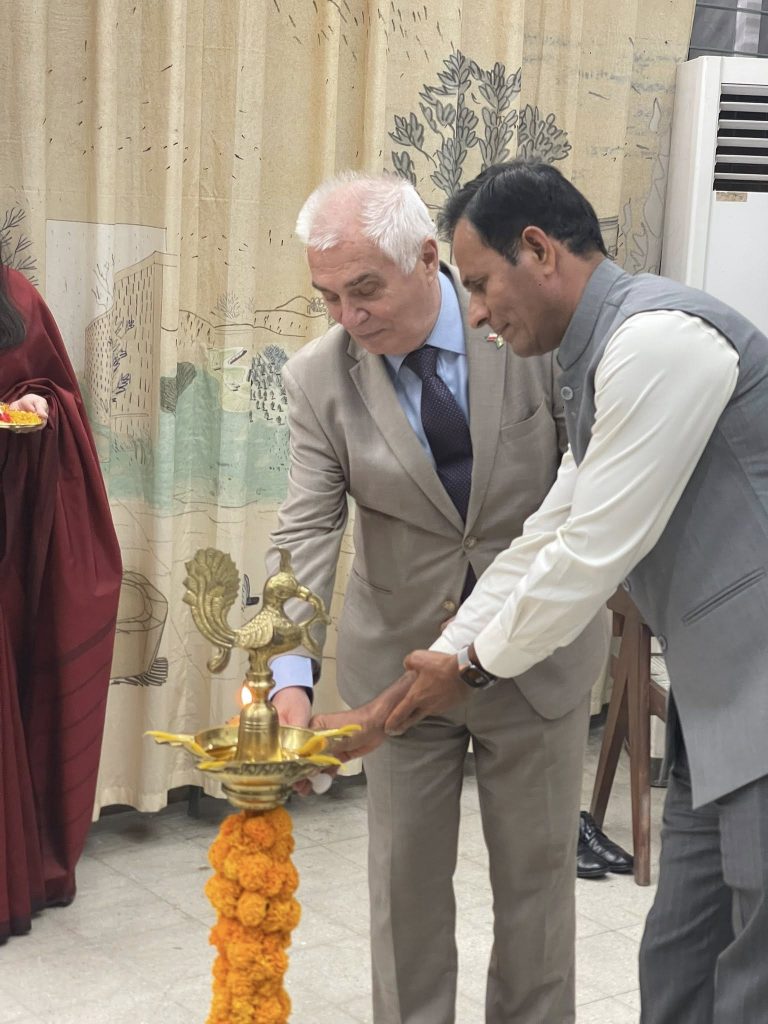
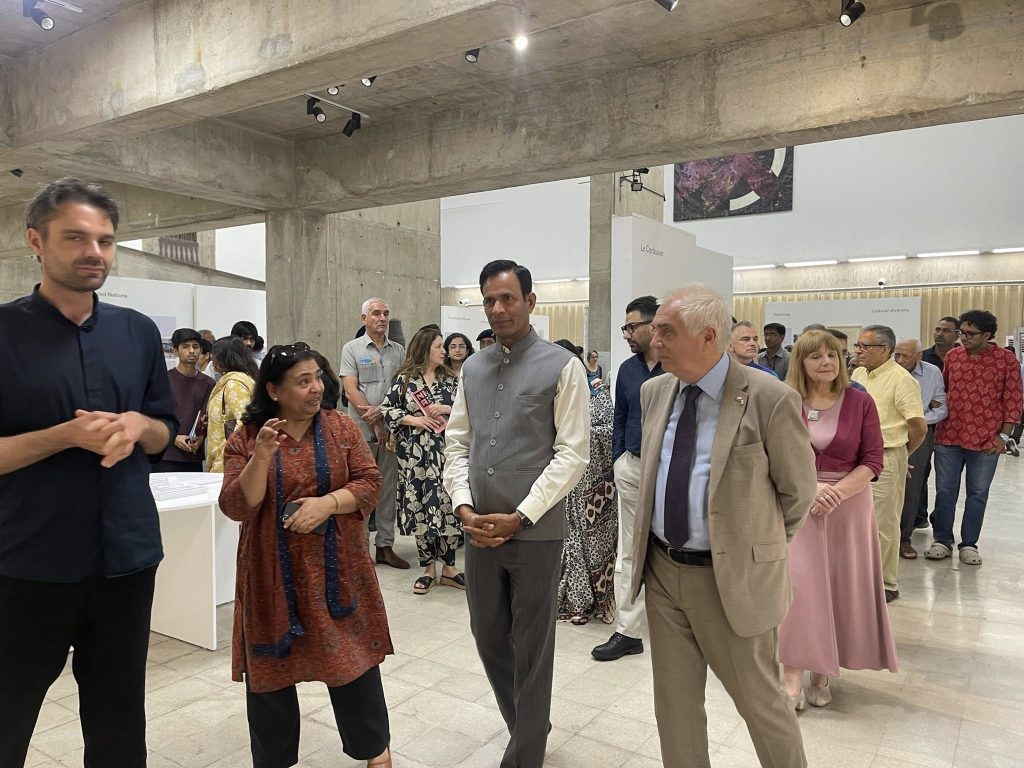
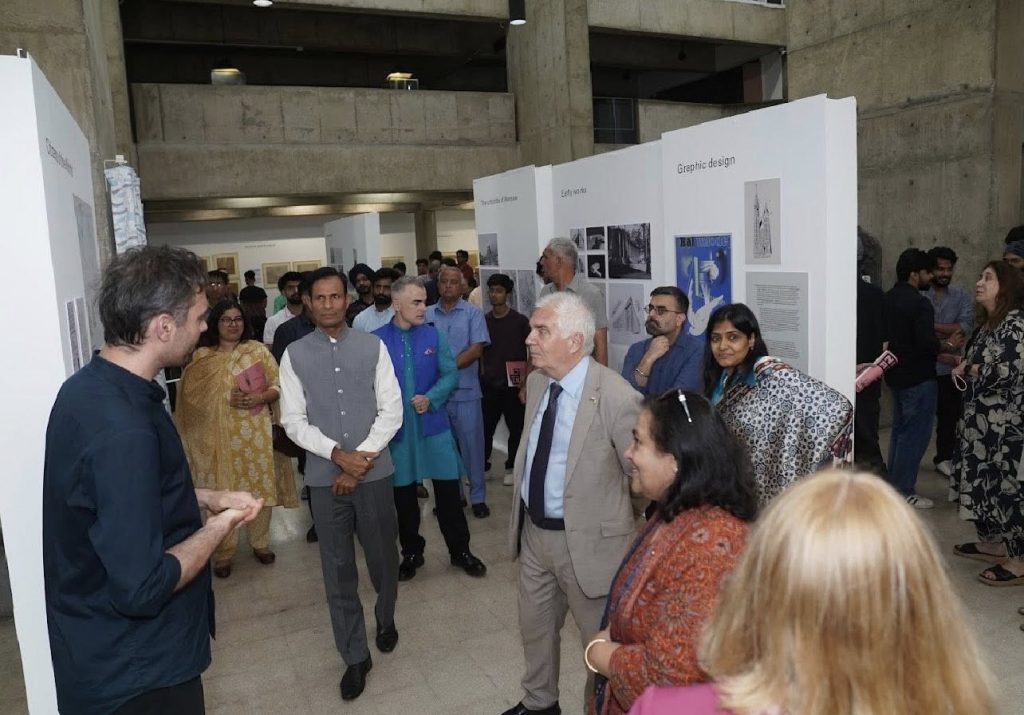
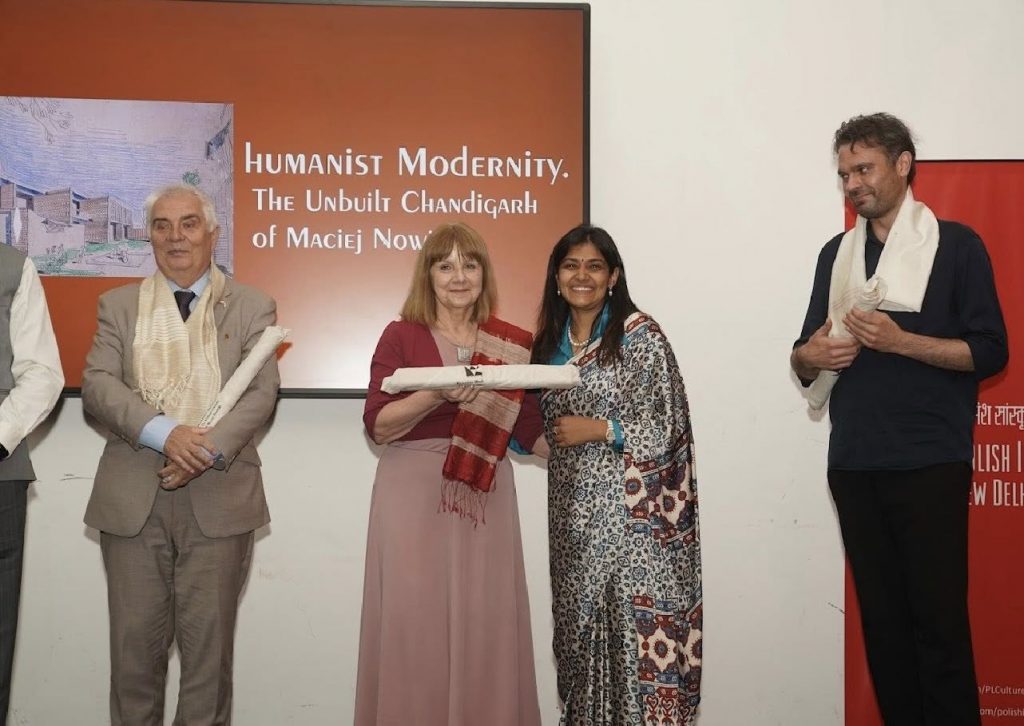
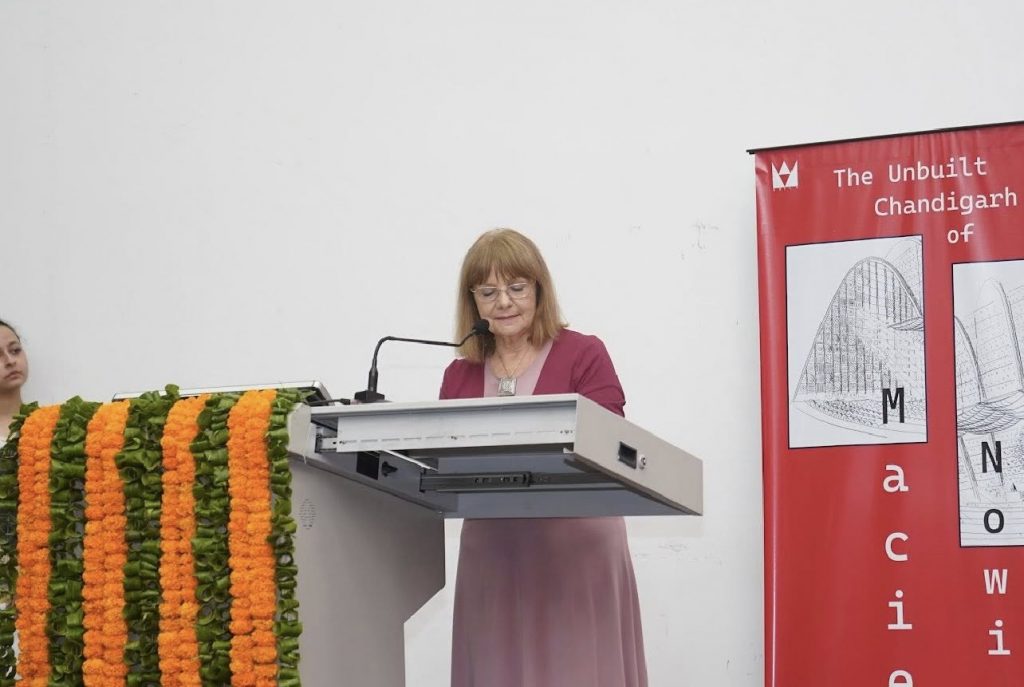
The evening concluded with a felicitation ceremony, followed by the national anthem, ceremonial lamp lighting, and a guided walk through the exhibition. The vote of thanks was delivered by the Director of Polish Institute New Delhi, Ms. Malgorzata Wejsis-Gołębiak.