
Material Resistance: Magdalena Abakanowicz, Anna Barlik, Marlena Kudlicka, and Agnieszka Kurant
12 September – 28 November 2025
Nguyen Wahed
504 E 12th Street, New York, 10009 NY
Gallery hours: Tuesday to Saturday 2:00 PM – 6:00 PM
Wednesday, September 10, 2025
Art talk & Preview followed by reception
5:00 PM Preview
6:00 PM Art talk with Anna Barlik and Marlena Kudlicka
7:30-9:00 PM Reception
In the hidden museal archives you might find early interviews with artists who understood that materiality itself could be a form of resistance. This sensibility—the belief that physical form carries its own intelligence and capacity for critique—animates the extraordinary gathering of four Polish artists at Nguyen Wahed Gallery in fall 2025. What unfolds across the gallery is not merely an exhibition but a kind of material philosophy in action: a proposition about how objects think, and how thinking becomes object.
There is something deliberately unorthodox about encountering Marlena Kudlicka’s powder-coated steel in the same breath as Magdalena Abakanowicz’s haunting bodies. At Nguyen Wahed Gallery, in collaboration with the Polish Cultural Institute New York, these four artists: Kudlicka, Barlik, Abakanowicz, and Kurant, stage a dialogue that feels less like a national grouping and more like a conspiracy of forms against the smooth surfaces of our contemporary moment.
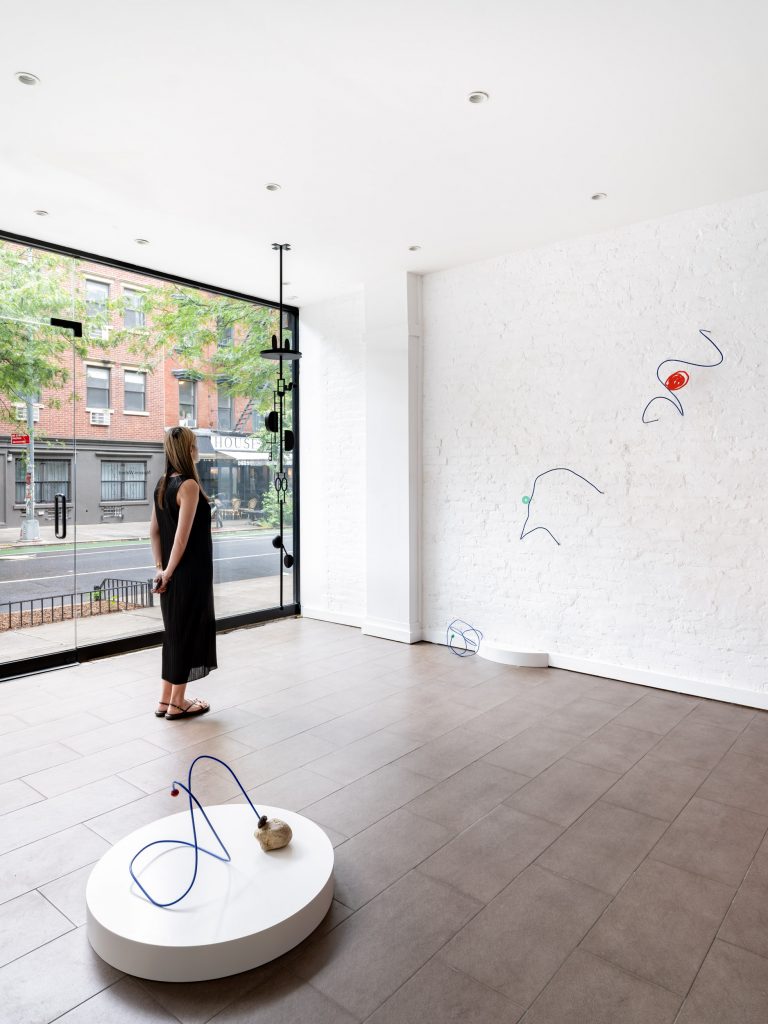
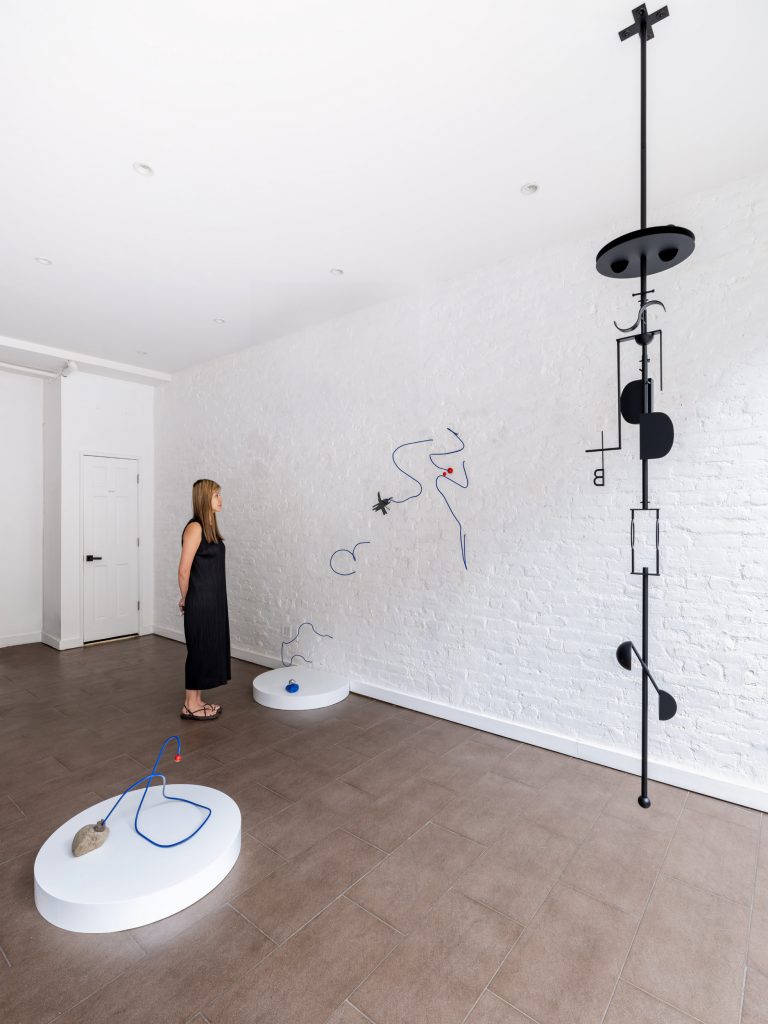
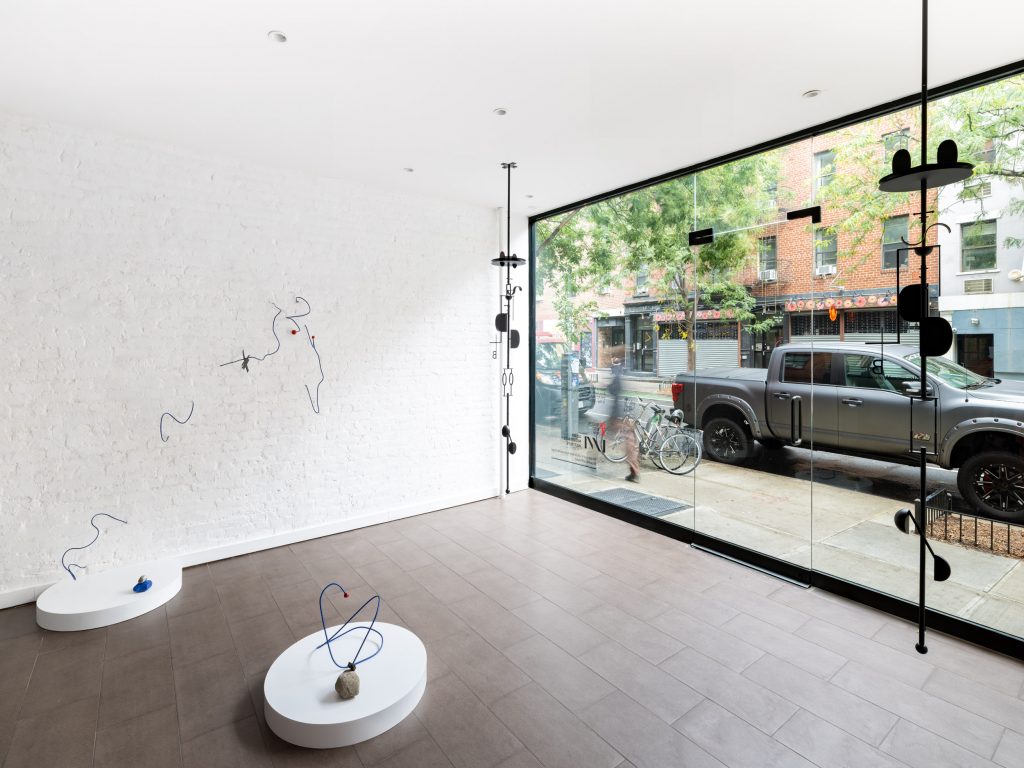
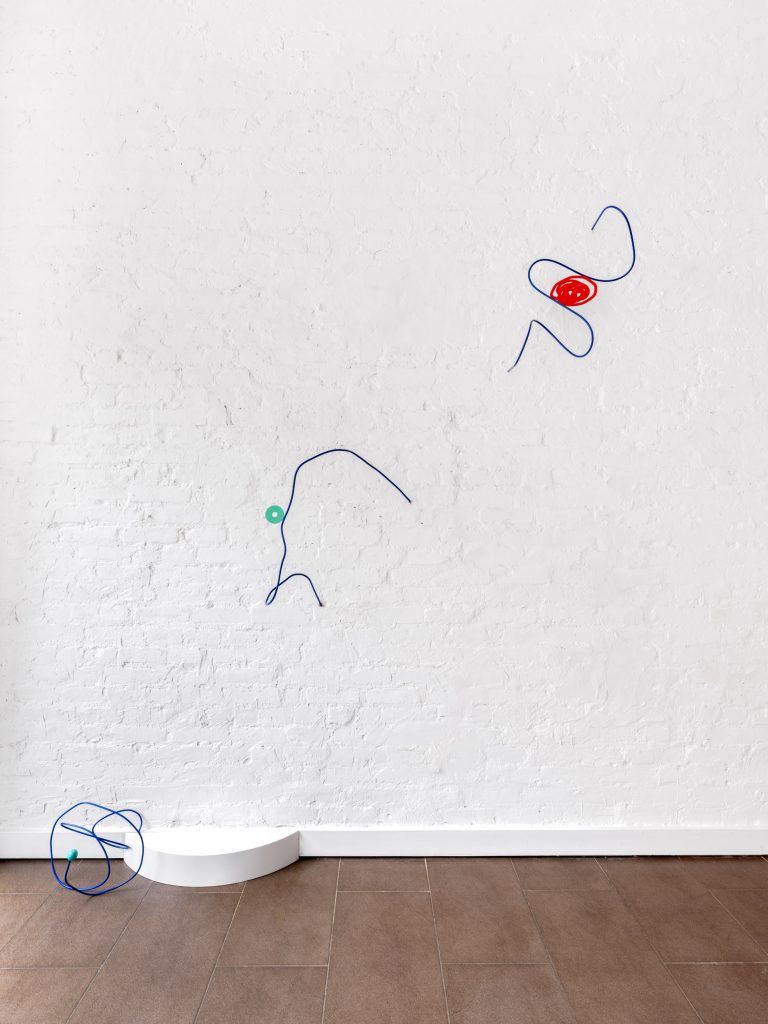
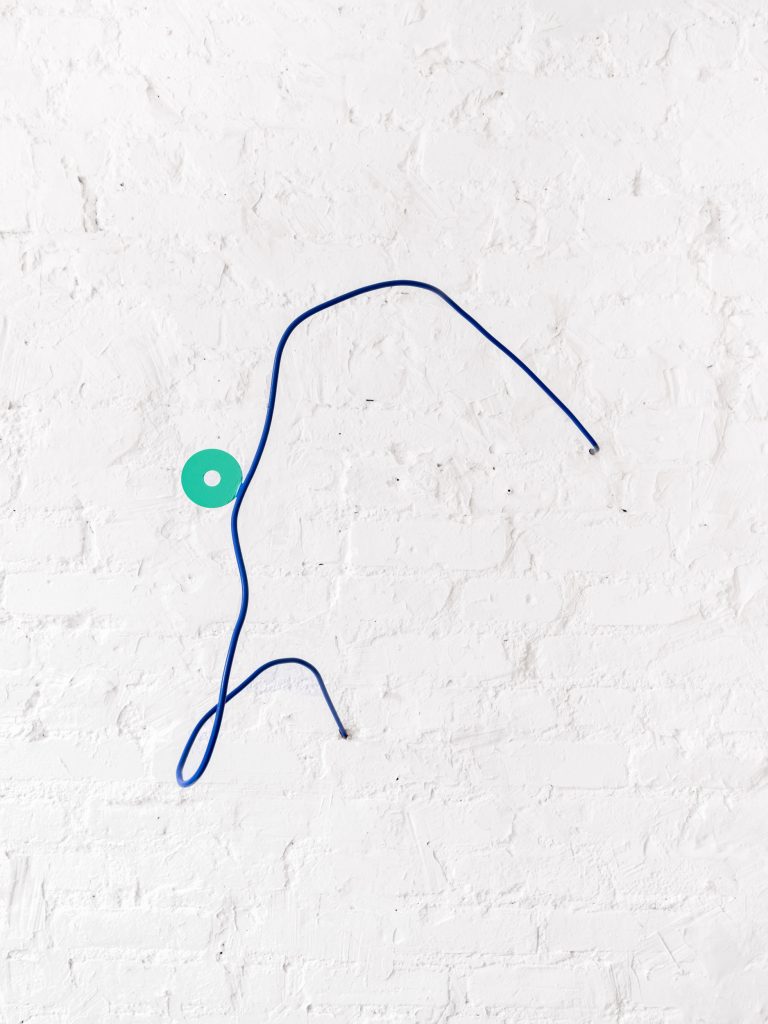
For Anna Barlik, this exhibition marks a crucial point in an investigation in spatial politics of form and perception, that has moved through some of Poland’s most significant institutions. Her Datament at the Zachęta National Gallery of Art last year proposed a radical rethinking of data as material, offering chromatic, site-responsive interventions that challenged the neutrality of architecture. Her contribution to the Polish Pavilion at the Venice Architecture Biennale (2023), in collaboration with curator Jacek Sosnowski, placed her sculptures in conversation with architectural space itself and explored the human–space relationship. The works she brings to New York, fresh from her Art Omi residency in upstate New York, continue and expand these institutional conversations in Connections (2025), translating coded information into color and form Barlik creates a transatlantic dialogue about how we inhabit and transform space, how systems structure our environments and how artistic gestures can interrupt, reframe, or resist those structures.
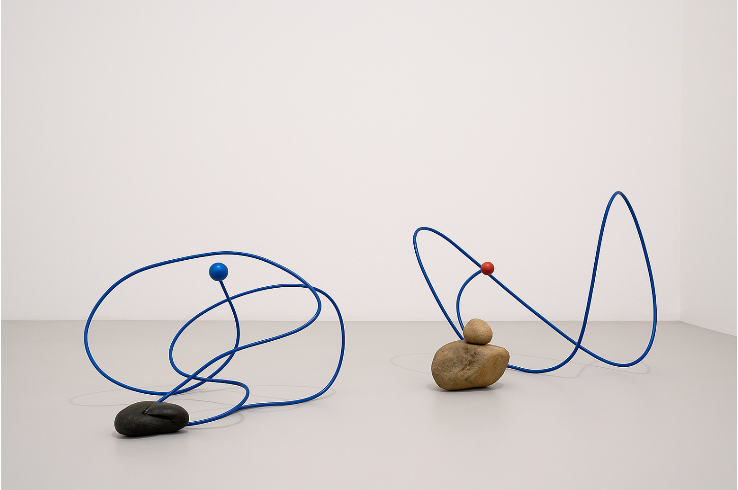
From ART OMI, NY artist residency program
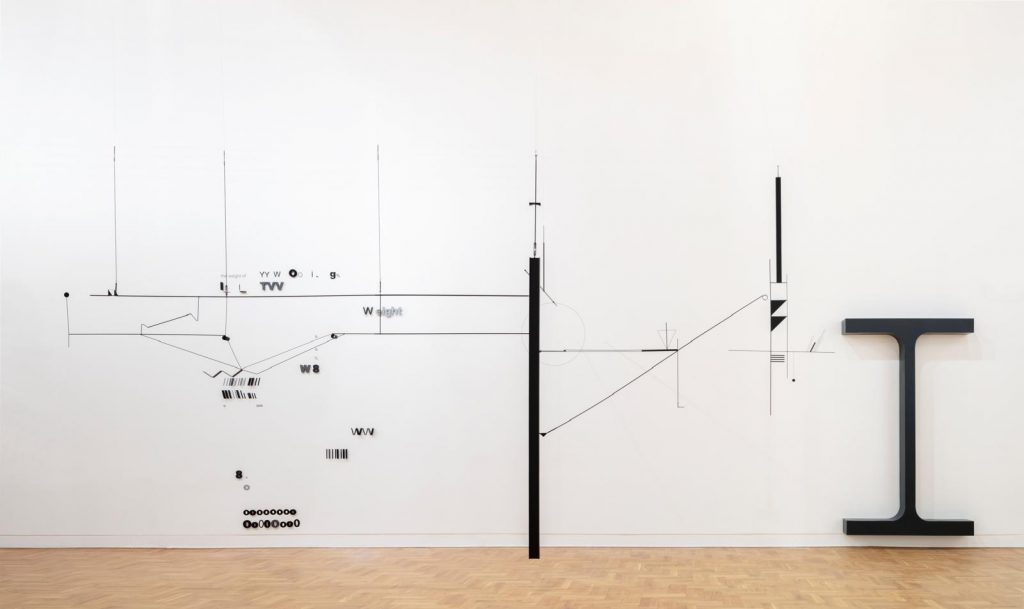
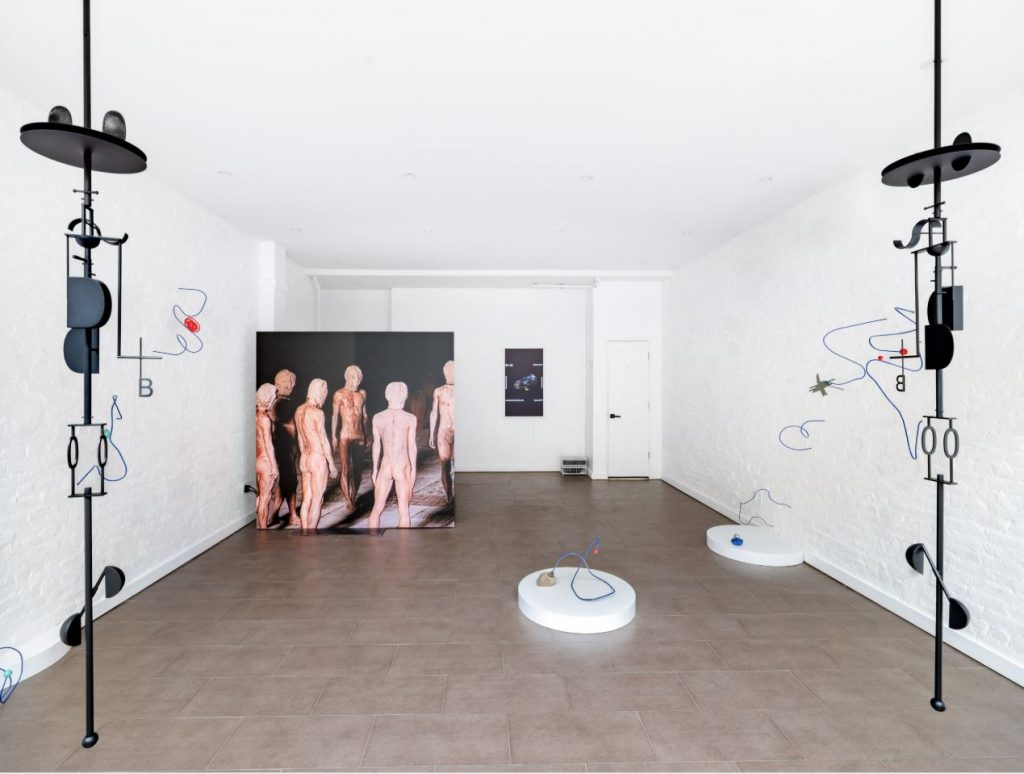
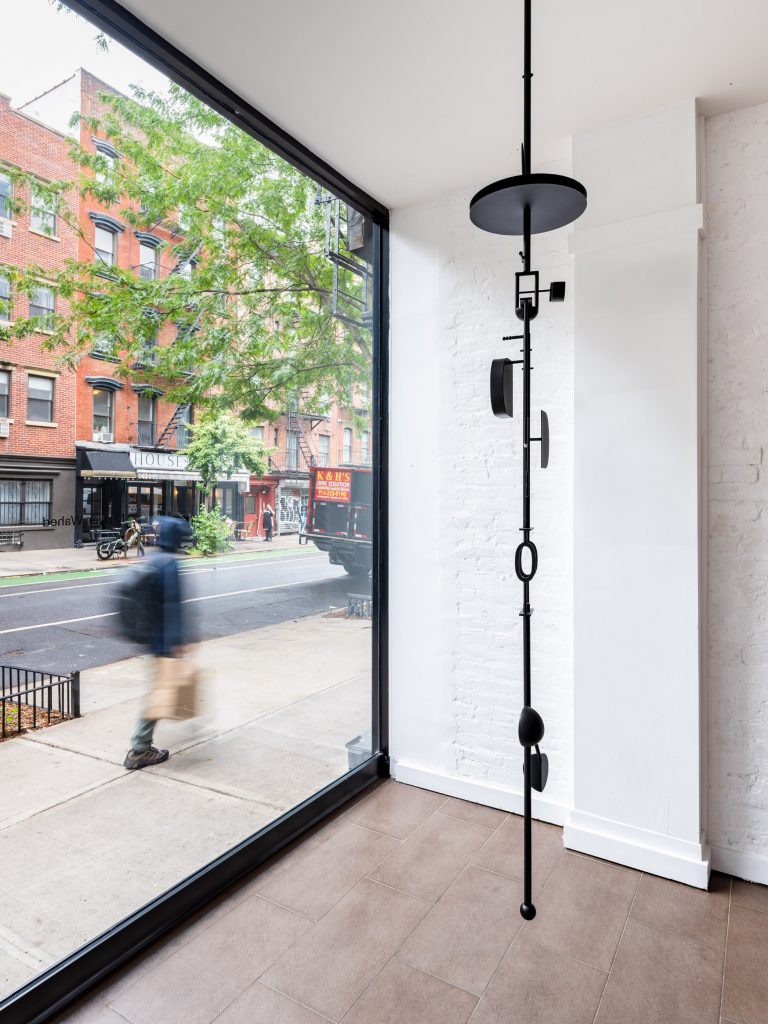
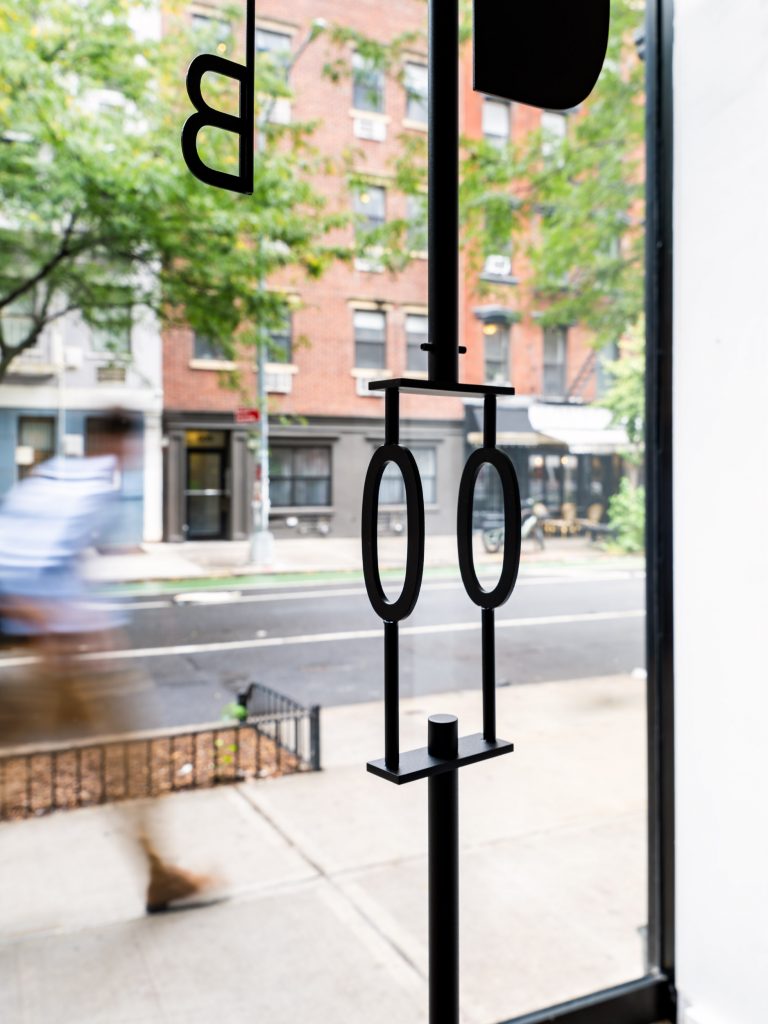
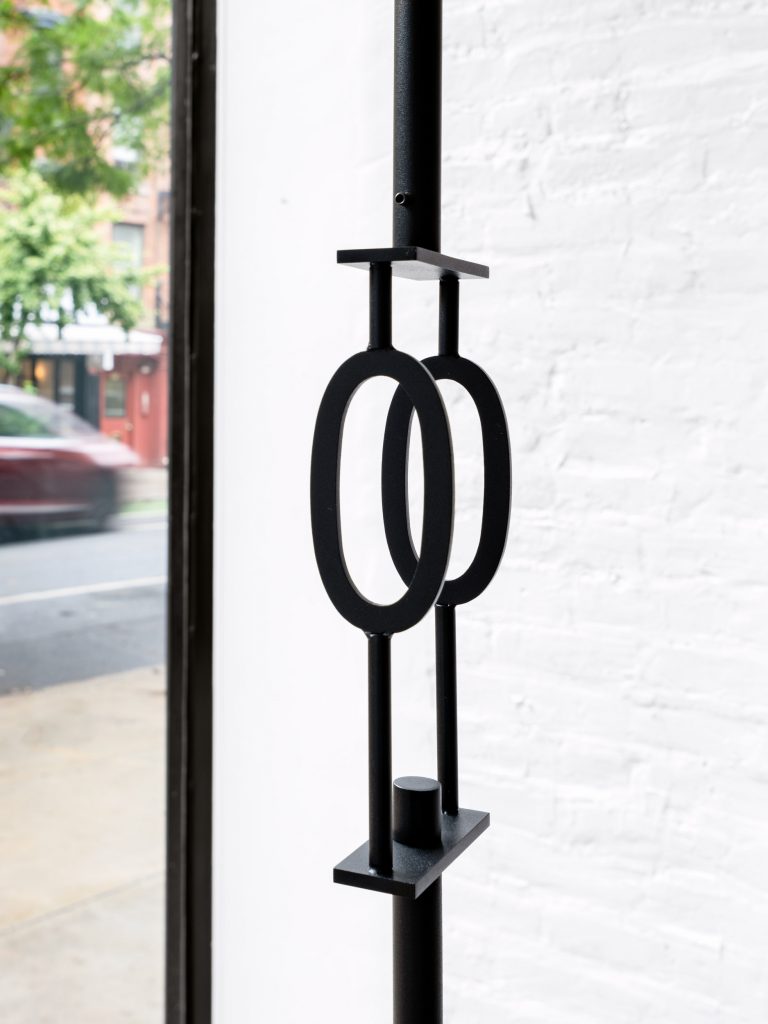
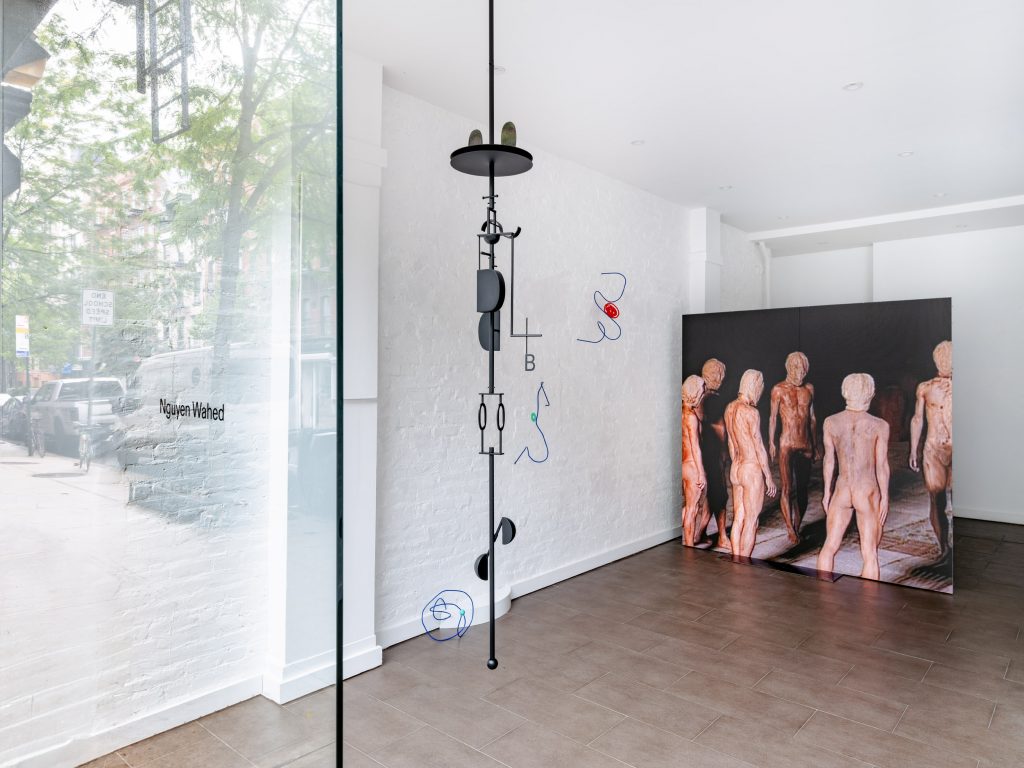
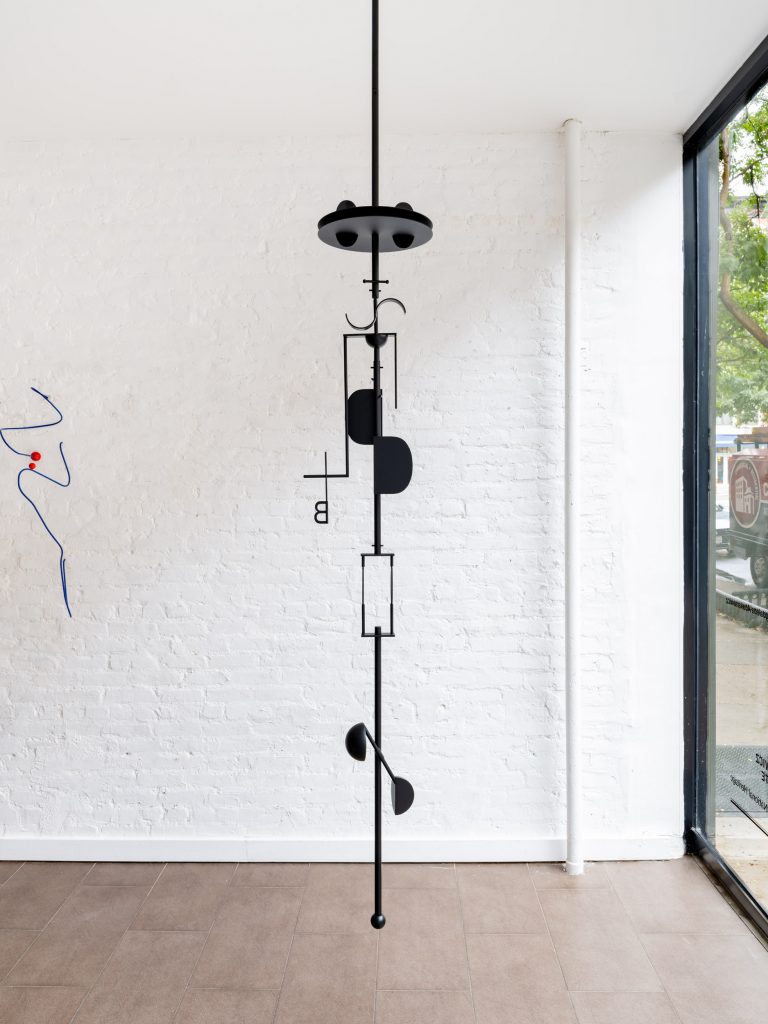
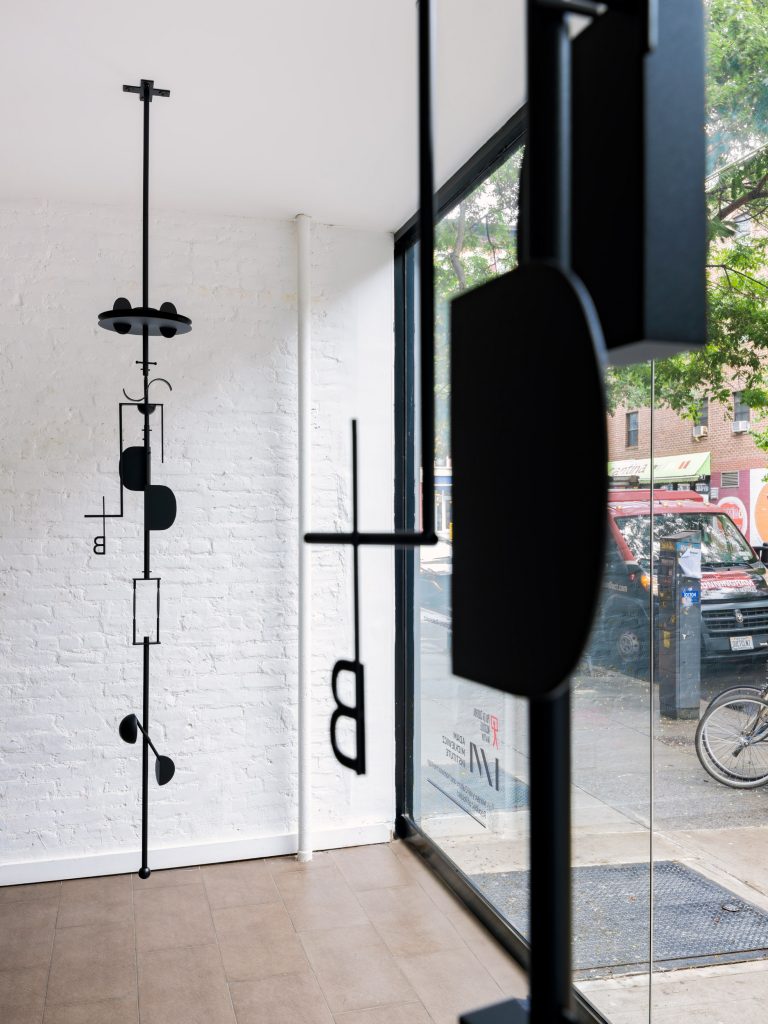
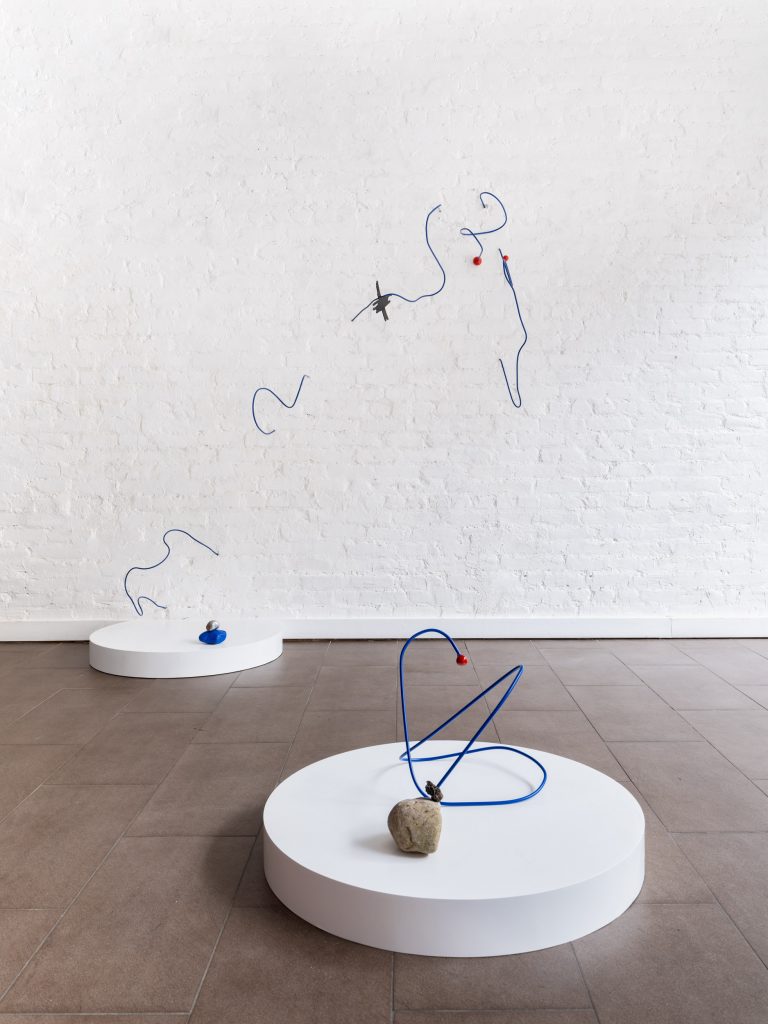
Standing before Marlena Kudlicka’s two new sculptures, Black Discrete 00 and Black Discrete 01 (2025), one recalls mathematical functions, that for any given “x” there can be only one “y.” Kudlicka rejects this certainty. Created specifically for this exhibition, these two powder-coated steel sister forms rooted in architectural logic and mathematical grammar that seem to oscillate between calculation and interruption. Structural diagrams, yet each is intentionally misaligned, introducing delicate errors into systems of precision and order, presence and erasure, positive and negative forms, catching light in ways that suggest communication protocols gone beautifully awry. Kudlicka often collaborates with engineers and architects, translating the rigor of industrial materials into spatial poetry. Here, light and shadow activate the forms like phantom equations with shimmering beautiful glitches. “Work productivity, efficiency,” are her stated subjects, yet what emerges reads as a love letter to the gap between perfection and its necessary deviation.
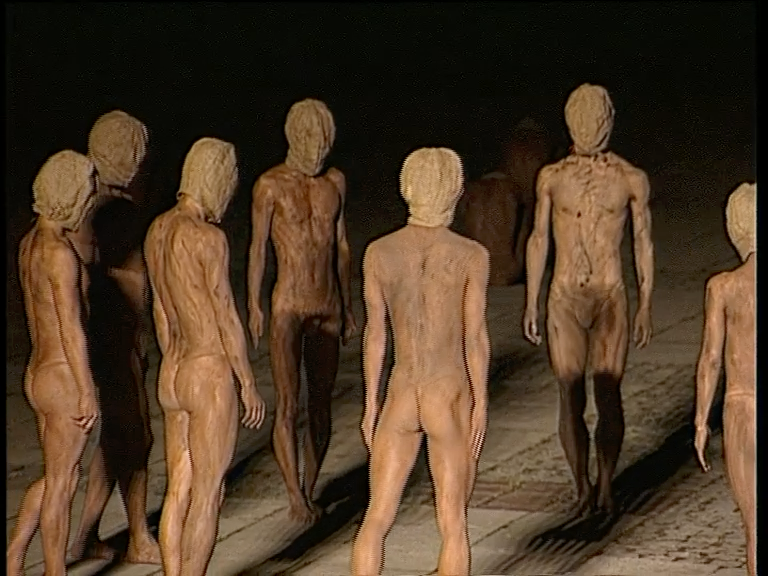
Special Presentation: Magdalena Abakanowicz, Butoh – Dance – Sculpture (1995)
Video documentation, never previously exhibited outside Poland
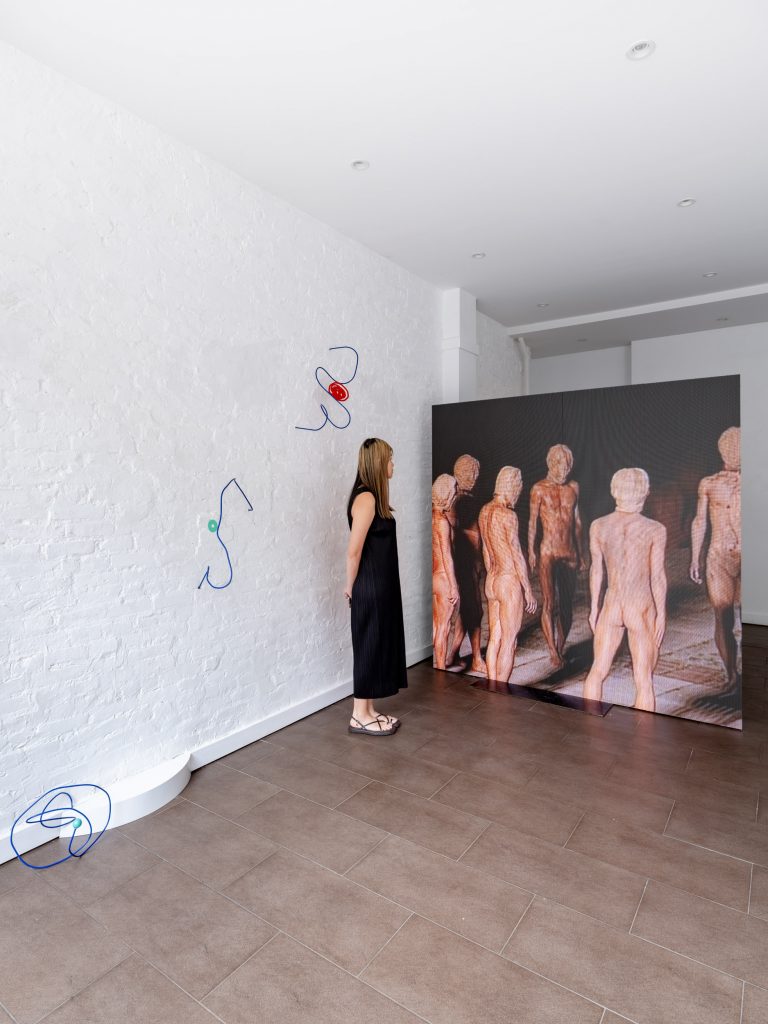
On view is the first international exhibition of the film documentation from Butoh – Dance – Sculpture (1995): a recording of excerpts choreographed by Magdalena Abakanowicz and performed by the Tokyo-based Butoh troupe Asbestos (from “ankoku butō” – dance of darkness) an avant-garde form of post-World War II Japanese dance theatre, directed by itsco-founder, Akiko Motofuji. The choreography draws from Abakanowicz’s sculptural series Backs, Embryology, Seated Figures, and Mutants, works she collectively titled Alterations. The dance transforms the sculptures’ static nature into mobility, hence Abakanowicz’s original subtitle, Alteration of Alterations. Butoh – Dance – Sculpture was an open-air collaboration between Motofuji and Abakanowicz performed in Poland in conjunction with the Warsaw opening, dances by Motofuji and a group of male butoh performers, accompanied by bassist Tetsu Saito and two kotos, a requiem-like offering in a country marked by a tragic history. Staged in Agrykola Park, near Ujazdowski Castle, the performance accompanied the opening of her exhibition at the Centre for Contemporary Art (CSW) in Warsaw on September 22–23, 1995.
Contextually, Dancing Figure is among Abakanowicz’s most dynamic sculptural types; when arranged in a circle and holding hands, the figures evoke the slender silhouettes swirling through Matisse’s Dance. After installing Space of Becalmed Beings (1992–93) in Hiroshima, Abakanowicz received a recording of a butoh group improvising around her sculptures. Moved by the tribute but dissatisfied with the result, she collaborated directly with Motofuji, producing drawings that the troupe translated into choreography that in 1995, the Japanese group presented at the CSW opening.
September 2025 marks the 30th anniversary of these Warsaw performances (September 22–23, 1995); this first presentation of the film outside Poland honors that milestone.
Abakanowicz’s headless figures, products of the 1970s and ’80s, carry the weight of Communist-era anonymity, the Eastern European experience of being hypervisible to the state yet invisible as an individual. Positioned near Kurant’s Sentimentite, with its crystallized collective emotions rendered in synthetic minerals, we witness a conversation about giving form to the formless pressures of systemic control, mining the invisible architectures of digital governance to produce artifacts from a future already here.
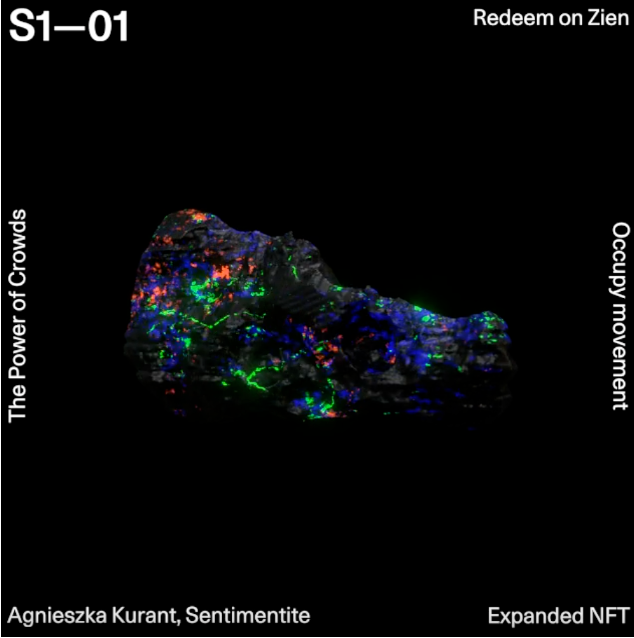
Private Collection
Agnieszka Kurant’s Sentimentite (2022) gives material form to intangible data by transforming aggregated emotional responses into a speculative geological artifact. Created with computational scientists, the work analyzes sentiment data scraped from millions of Twitter and Reddit posts related to global events like the COVID‑19 lockdown or the oil price crash of 2020. These data are minted as NFTs, which dynamically evolve in digital space and can be later cast into physical sculptures using acrylic resin and pulverized materials. The result is “Sentimentite”, a fictional mineral that appears natural but is rooted in invisible digital architectures. Kurant thereby critiques algorithmic capitalism and renders visible the affective labor encoded in our collective emotional landscapes.
What strikes most forcefully is how these four artists refuse clean boundaries between digital and physical, conceptual and material. Kudlicka’s mathematical precision bleeds into Barlik’s architectural interventions. Abakanowicz’s brutal physicality finds echo in Agnieszka Kurant’s data-driven mineralogy. It is as if they are all working on the same issue from different angles: how to make the invisible visible, how to give weight to weightlessness, how to assert the stubborn fact of material presence in an increasingly dematerialized world.
During the September 10 Preview Day (5:00–9:00 PM), the program featured an artist talk with Anna Barlik and Marlena Kudlicka, moderated by Izabela Gola, Curator of Visual Arts and Design at the Polish Cultural Institute New York, followed by a reception.
Artists in the exhibition:
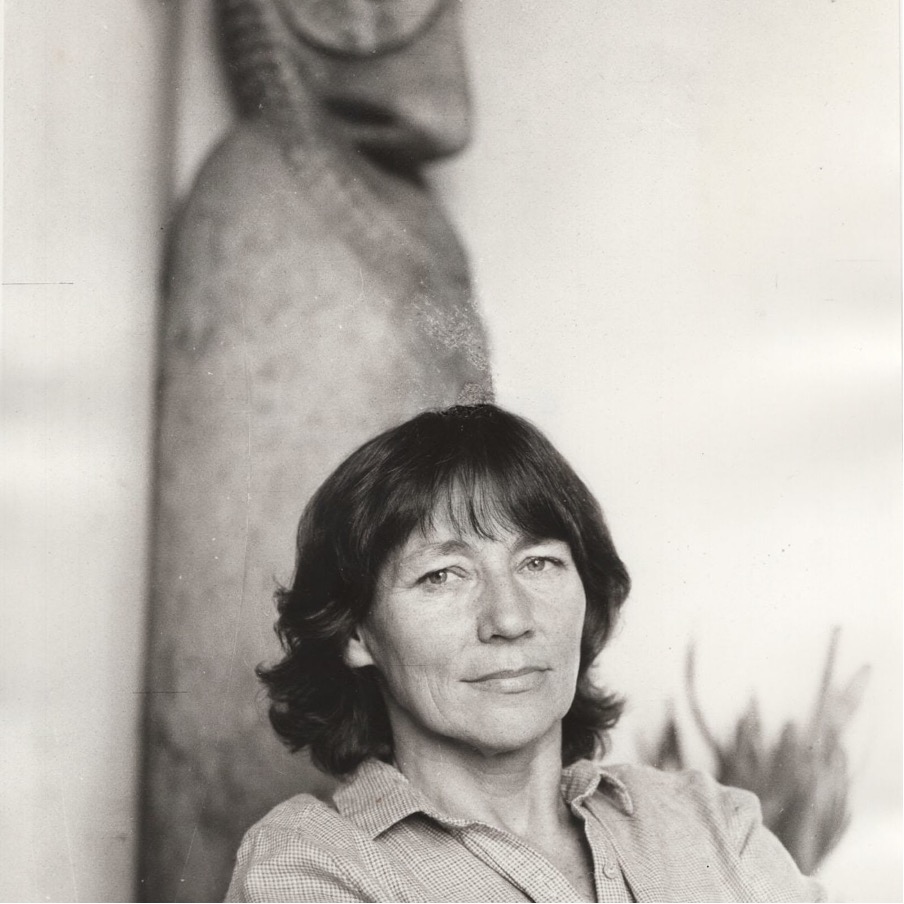
Magdalena Abakanowicz (Polish pronunciation: [maɡdaˈlɛna abakaˈnɔvit͡ʂ]; 20 June 1930 – 20 April 2017) was a Polish sculptor and fiber artist. Known for her use of textiles as a sculptural medium and for outdoor installations, Abakanowicz has been considered among the most influential Polish artists of the postwar era. She worked as a professor of studio art at the University of Fine Arts in Poznań, Poland, from 1965 to 1990, and as a visiting professor at University of California, Los Angeles in 1984.
Abakanowicz’s most celebrated works emerged in the 1960s with her creation of three-dimensional fiber works called Abakans. During the 1970s and 1980s, she transitioned to creating humanoid sculptures. These works reflected the anonymity and confusion of the individual amidst the human mass, a theme influenced by her life under a Communist regime. Some of her prominent international public artworks include Agora in Chicago and Birds of Knowledge of Good and Evil in Milwaukee.
Connections is a series of drawings inspired by personal interactions with people, objects, places and unfolding situations. Each piece captures the emotional and symbolic threads that tie together moments of connection—whether fleeting or profound, real or imagined. The series explores how unexpected encounters, and everyday experiences shape our internal narratives. Through abstract elements, Connections invites viewers to reflect on the invisible links that weave through human experience.
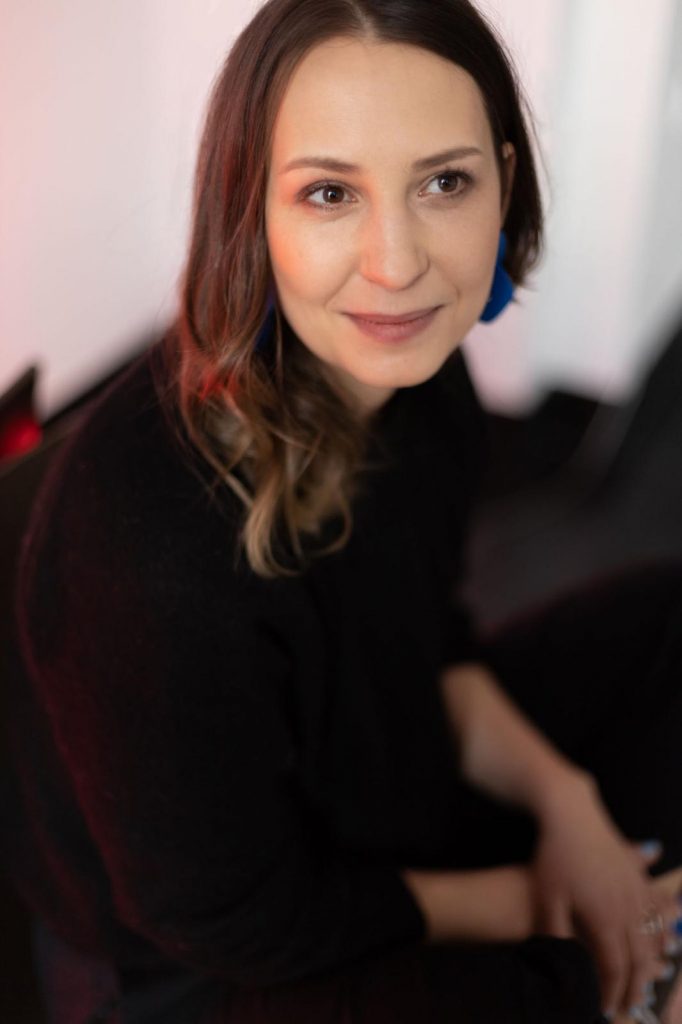
Anna Barlik (born in 1985 in Warsaw, Poland). In 2004 she began her art studies at the Strzemiński Academy of Fine Arts in Łódź, majoring in jewelry design and graduating cum laude three years later. Simultaneously, she pursued studies in sculpture at the Academy of Fine Arts in Warsaw from 2005 to 2010. During her time at the Faculty of Sculpture, Anna received a scholarship to Universität der Künste in Berlin, which she attended in 2008. After graduating in 2010, she continued her education by undertaking a Ph.D. at her Warsaw alma mater while also completing a postgraduate program in urban planning at the Architecture and Urban Planning Department of Warsaw Technical University. In 2017, she successfully defended her Ph.D. in art, culminating a four-year research project focused on spatial concepts in Nordic culture. In 2025, she obtained her habilitation degree in the arts, and was subsequently awarded the title of Professor at the Polish-Japanese Academy of Information Technology (PJATK), where she remains an active member of the academic community, teaching composition and sculpture.
Her works, often inspired by architecture, address themes of identity and memory. In 2023, she represented Poland with her sculpture Datament at the Venice Architecture Biennale. She currently lectures at the Polish-Japanese Academy of Information Technology in Warsaw.
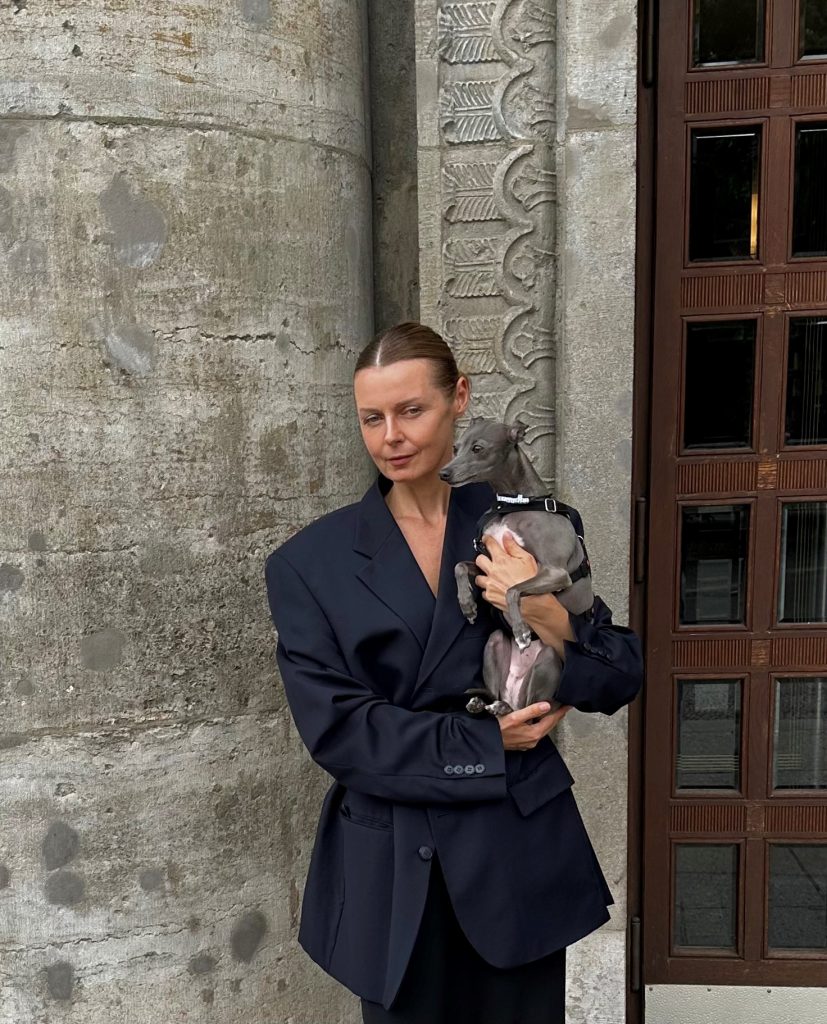
Marlena Kudlicka is a sculptor whose practice explores the intersection of language, structure, and spatial logic. Working with steel, glass, and powder coating, she constructs meticulously balanced sculptural forms that reflect the architecture of thought—often conceived as “recipes” that blend precision, error, and poetic abstraction. Her works examine how linguistic systems, communication protocols, and spatial strategies manifest physically, often testing the “tolerance of precision” in transforming ideas into sculptural form.
Kudlicka collaborates with architects, engineers, and artisans to develop large-scale indoor and outdoor installations. Her interest in public space is matched by a deep engagement with conceptual systems—errors, hesitation, and doubt become active agents in shaping each work.
Educated at the Academy of Fine Arts in Poznań (MA, Painting & Drawing), she has exhibited extensively across Europe and the Americas.
Selected Exhibitions: Kestner Gesellschaft; Hamburger Bahnhof, Berlin; Weserburg Museum Bremen; Kunstmuseum Bochum; Wrocław Contemporary Museum; Zachęta National Gallery, Warsaw; Museum of Art, Łódź; MACBA, Buenos Aires; CGAC, Santiago de Compostela; Ludwig Museum Budapest; Skulpturenmuseum Marl.
Public Commissions 0 comma A, NASA Laboratory, Cottbus (1st Prize, Kunst am Bau, 2019); velvet mind marble thoughts, Centre of Polish Sculpture, Orońsko.
Collections: CGAC Santiago de Compostela; ARCO Collection; Museum of Art Łódź; Wrocław Contemporary Museum; Kestner Gesellschaft; Barbara & Aaron Levine Collection (Washington DC).
Residencies: ISCP, LMCC, and Location One (New York); Cité des Arts (Paris); Akademie Schloss Solitude (Stuttgart).
Sentimentite—Kurant’s speculative mineral-currency of the future—investigates the relationship between digital capitalism and geology. Inspired by the way natural forces shape rocks and meteorites over deep time, Sentimentite’s evolving forms are shaped by changes in 21st century society: 100 seismic historic events, millions of harvested Twitter and Reddit posts, and billions of aggregated human emotions.
When redeemed, these Expanded NFTs state-change to physical sculptures cast in Agnieszka Kurant’s fictional material: Sentimentite. She has pulverised 60 objects used as currencies throughout history into this new mineral-currency. “Today,” Kurant says, “our contemporary global economy is based on conversions of crowd dynamics and social energy into information and capital. Tweets, shares and likes are the new oil and gas. Sentimentite has been exhibited and acquired by the Centre Pompidou.
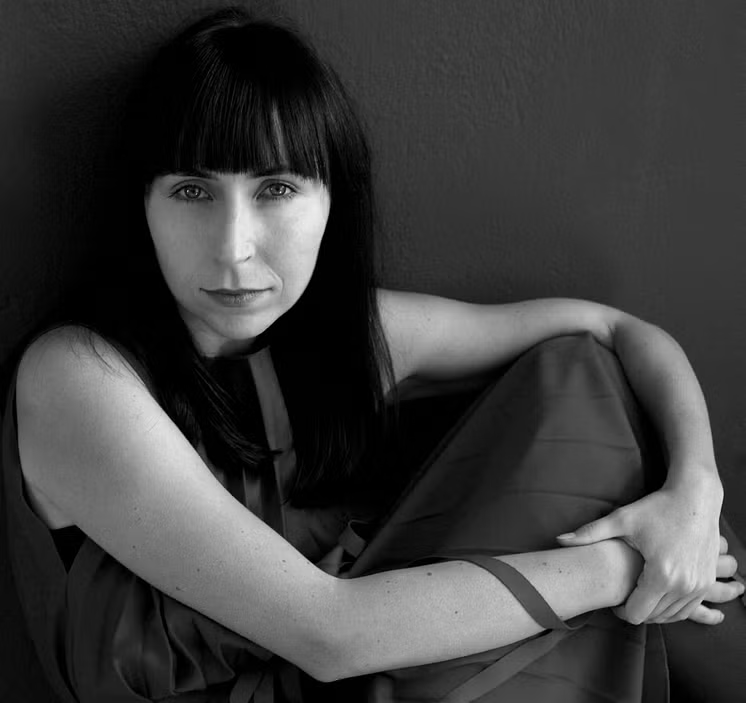
Agnieszka Kurant was born in 1978 in Lodz, Poland. She received a BA in photography from the Lodz Film School (Państwowa Wyższa Szkoła Filmowa, Telewizyjna i Teatralna im. Leona Schillera), Lodz (2001); an MA in art history from the University of Łódź (2002); and an MA in creative curating from Goldsmiths College, University of London (2003). Kurant’s interdisciplinary oeuvre spans installation, sculpture, and film. Residing at an intersection of art and science, her largely conceptual body of work explores how complex social and cultural systems can operate in ways that confuse distinctions between fiction and reality.
Kurant’s work was the subject of exformation, SculptureCenter, New York, and Stroom Den Haag, The Hague, Netherlands (2013–14). Her work has appeared in group exhibitions including those at the Palais de Tokyo, Paris (2004); Tate Modern, London (2006); Moscow Biennial (2007); Zachęta – Narodowa Galeria Sztuki, Warsaw (2009); Performa Biennial, New York (2009, 2013); Witte de With, Centrum voor Hedendaagse Kunst, Rotterdam (2011); and MoMA PS1, New York (2013). In addition to a curatorial residency at International Studio and Curatorial Program, New York (2005), she has had residencies at Zentrum Paul Klee, Bern (2009), and Iaspis, Stockholm (2013). In collaboration with architect Aleksandra Wasilkowska, Kurant represented Poland at the 2010 Venice Architecture Biennale with the pavilion presentation Emergency Exit. Kurant lives and works in New York.
This exhibition is co-organized and co-produced with the Nguyen Wahed art gallery and supported by Adam Mickiewicz Institute and part of PCI’s 25th anniversary celebration.