

Podcast: The Forgotten Story of Ignatz Waghalter and Harlem’s All-Black Symphony Orchestra
Listen on Spotify
Presented by the Polish Cultural Institute New York, this powerful conversation uncovers the nearly forgotten story of Ignatz Waghalter, a Polish Jewish composer and conductor who fled fascist Europe and, in 1930s New York, joined forces with leaders of the Harlem Renaissance to help form the first all-Black symphony orchestra.
Hosted by NPR’s Celeste Headlee—granddaughter of composer William Grant Still—alongside pianist Kyle P. Walker and conductor Alexander Walker, the episode explores Waghalter’s visionary but ultimately unrealized project: an orchestra of over 100 Black classical musicians, many trained in Europe and denied positions in white orchestras, set to debut at Carnegie Hall in 1939.
Why was this groundbreaking effort erased from history? And what does its disappearance reveal about race, power, and memory in classical music?
This is not just a story of lost music—it’s a call to reclaim space, challenge gatekeeping, and reexamine whose legacies endure.
Ignatz Waghalter (15 March 1881 – 7 April 1949) was a Polish-Jewish composer and conductor born into a musically talented Jewish family in Warsaw. His eldest brother, Henryk, was a renowned cellist at the Warsaw Conservatory. Władysław, the youngest brother, became a noted violinist. Ignatz Waghalter moved to Berlin at 17, studying under prominent figures like Philipp Scharwenka and Joseph Joachim, which led to his admission to the Prussian Academy of Arts. His early works, including the String Quartet in D Major and Sonata for Violin and Piano in F Minor, showcased his talent, earning him the Mendelssohn Prize at just 21.
Waghalter gained recognition as a conductor at the Komische Oper in Berlin and later at the Deutsches Opernhaus, where he premiered several of Puccini’s operas in Germany. This significantly influenced the acceptance of his music in the country. His operas, such as Mandragola and Jugend, were well-received there.
After the financial failure of the Deutsches Opernhaus in 1923, Waghalter moved to the United States, debuting at Carnegie Hall. He became the musical director of the New York State Symphony but returned to Germany due to his attachment to its cultural life. With the rise of the Nazis, Waghalter fled to the U.S. in 1934, where he founded the Negro Symphony Orchestra, advocating for racial equality in music. Limited opportunities marked his later years, but he continued to compose, including his last operetta, Ting-Ling, which he performed shortly before he died in New York City.
In recent years, there has been a renewed interest in Waghalter’s work, with performances and recordings bringing attention to his contributions to music. His legacy serves as a poignant reminder of the cultural losses inflicted by fascism and highlights the ongoing efforts to recover and appreciate the works of composers whose careers were derailed by historical upheavals.

Celeste Headlee is an internationally recognized journalist and radio host, professional speaker and author of bestselling books. Celeste has been the Executive Producer of On Second Thought at Georgia Public Broadcasting and anchored programs including Tell Me More, Talk of the Nation, Here and Now, All Things Considered, and Weekend Edition. She served as co-host of the national morning news show, The Takeaway, from PRI and WNYC, and anchored presidential coverage in 2012 for PBS World Channel. Celeste is a regular guest host on NPR and American Public Media, serves as an advisory board member for ProCon.org and The Listen First Project, and received the 2019 Media Changemaker Award. She is the host of Women Amplified, a podcast from the Conferences for Women, the largest network of women’s conferences in the nation, and also hosts the Freeway Phantom and Big Sugar podcast series. She is the president and CEO of Headway DEI, a non-profit that works to bring racial justice and equity to journalism and media, she also serves on the board for the National Center for Race Amity. Celeste is a trained operatic soprano.
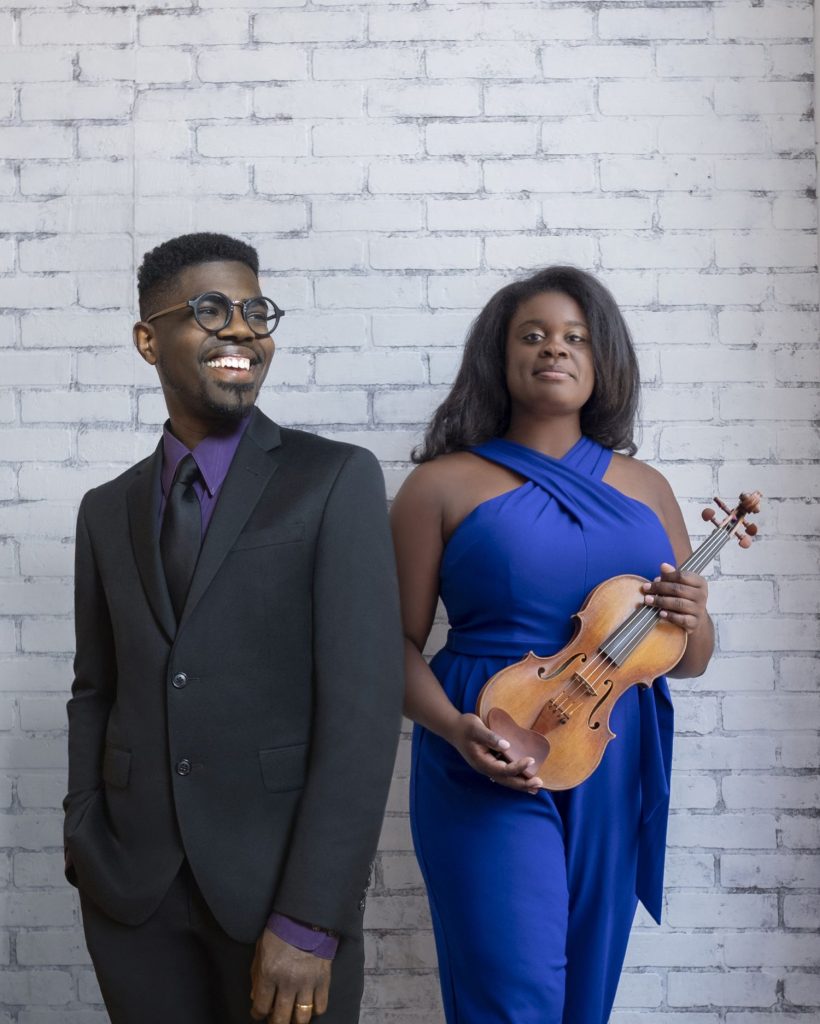
Kyle P. Walker, a renowned pianist known for his passionate dedication to using music as a tool for addressing societal concerns, stands at the forefront of a musical movement. His career has garnered critical acclaim, with notable performances featured on prestigious media outlets like NPR, WQXR, and PBS. He has graced renowned venues such as Carnegie Hall’s Weill Hall, Lincoln Center, The Kennedy Center, The Apollo Theater, and international stages from Australia’s Tantaloona Cave to the Adelaide Town Hall. As an instructor, Walker shares his expertise as a member of piano artist faculty at New York University, the Lucy Moses School at Kaufman Music Center, and The Artist Program at Suzuki on the Island.
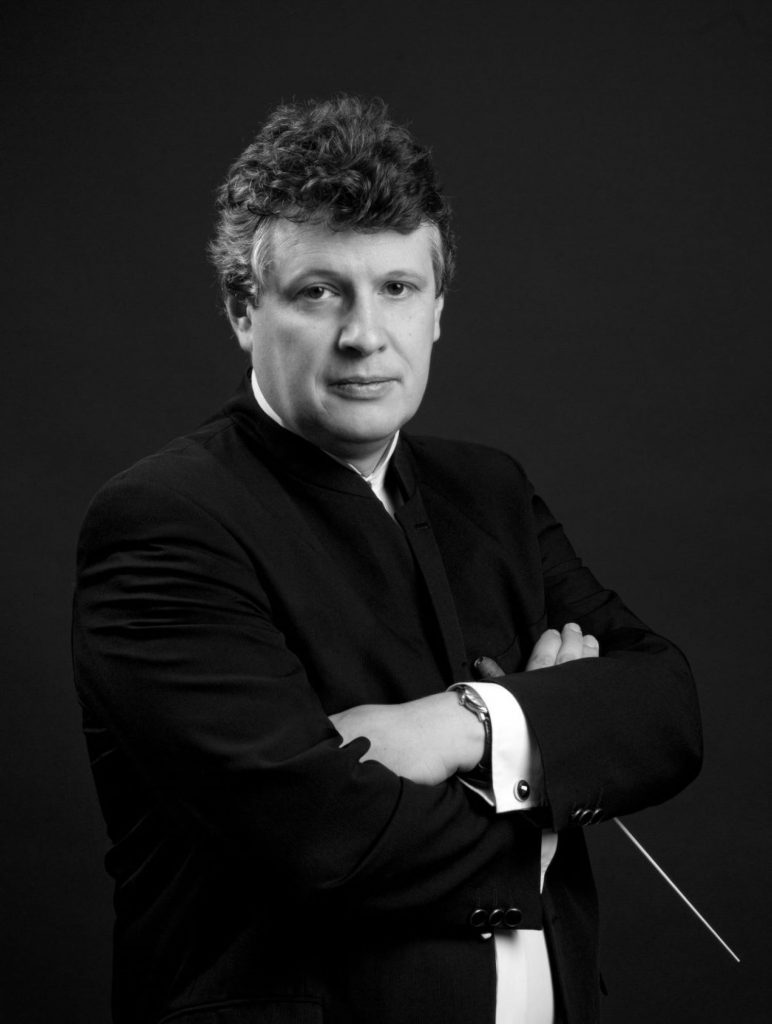
Alexander Walker (Royal Academy of Music) has contributed to the rediscovery and reevaluation of a number of significant composers with his innovative discography, including works by Ignatz Waghalter and symphonies by Havergal Brian. In 2018, the Elgar Society honored him with their highest award, the Elgar Society Medal. He has conducted the BBC Philharmonic, City of London Sinfonia, and Royal Philharmonic Orchestra, among many others. He regularly conducts the Russian State Symphony Orchestra, Musica Viva, Symphony Orchestra New Russia, the George Enescu Philharmonic in Bucharest, the Istanbul State Opera, and the Russian Philharmonic. He has conducted the Royal Ballet; and has served as Music Director for Swan Lake for the Finnish National Opera, and The Nutcracker for the Norwegian National Opera.
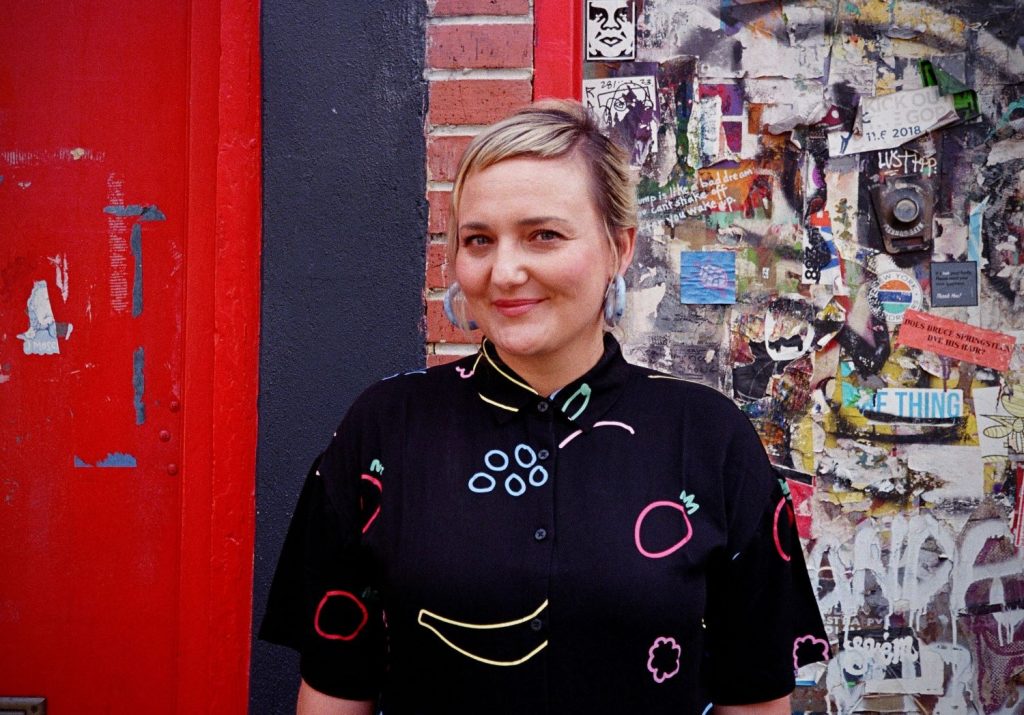
Natalia Iyudin had her start in the industry as a TV editor for MTV, BET and PBS. She has lead development on docu-series “Girly” with Rashida Jones, Refinery29 and the UN Foundation, and “Ladies First: A Story of Women in Hip Hop” for Netflix. She directed for mental health campaigns around teen suicide and opioid crises, and on several projects for Toyota. She co-created and directed “We Got You”, an award-winning digital series featuring Tarik “Black Thought” Trotter of The Roots. Natalia made her directorial TV debut with two episodes of an elevated horror anthology for the Warner Brothers’ Stage 13, “Two Sentence Horror Stories”; currently on Netflix.