

Friday, October 2 – Thursday, October 22
Film Forum
209 West Houston St. West of 6th Ave.
“Andrzej Wajda was one of the greatest filmmakers we’ve ever had. His craftsmanship, his fearless commitment to the truth, his deep love for his homeland, his obsessive passion for cinema—you can feel it all in every frame and every cut of every picture he ever made. Wajda left behind one of the most formidable bodies of work in the history of the art form. He was a true master.”
– Martin Scorsese
Commemorating the centennial of the great Polish director Andrzej Wajda (1926–2016), one of Central and Eastern Europe’s most politically provocative postwar filmmakers. This three-week, 25-film retrospective includes new 4K restorations of Ashes and Diamonds, Kanal, A Generation, Man of Marble, Man of Iron, Korczak, and much more. The program offers an opportunity to encounter Wajda’s cinema anew and to consider its enduring explorations of history, memory, identity, politics, and the individual caught within forces larger than themselves.
Over a career spanning more than six decades, Andrzej Wajda transformed the language of Polish cinema, chronicling the country’s political and social upheavals while bringing its stories to audiences around the world. Wajda’s work continues to stand as a vital record of its time, and as a body of cinema whose questions remain deeply relevant today.
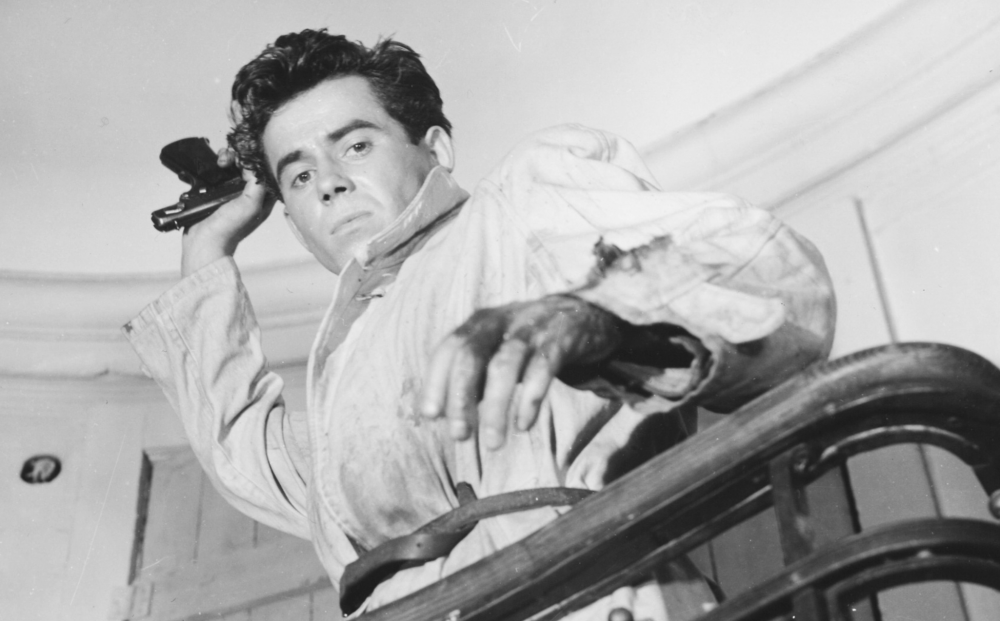
“A film of tremendous importance. The whole Polish cinema began with it.”
– Roman Polański
“At last real life has been glimpsed on screen rather than stale pap.”
– Antoni Bohdziewicz
Generation
Andrzej Wajda / Pokolenie / 1955 / 87min / 35mm
Friday, October 2 at 12:30 PM
Saturday, October 3 at 4:20 PM
Sunday, October 4 at 12:40 PM
Monday, October 12 at 12:20 PM
Starring Tadeusz Łomnicki, Urszula Modrzyńska, Tadeusz Janczar
Breaking free from the rigid aesthetics of Stalin-mandated socialist realism, Wajda introduced a dynamic, morally complex new approach to filmmaking that reflected the experiences of a young generation shaped by the war. In his bold debut film, the first in his “War Trilogy,” Wajda dramatized the Warsaw Ghetto Uprising with an expressionistic style that evokes American Film Noir. A delinquent teen who heroically joins the Resistance—partly inspired by his love for one of the movement’s leaders—is the ostensible protagonist, but the more fascinating character is the reluctant and tortured Jasio (Tadeusz Łomnicki). One critic wrote, “It’s a fair guess that the inner world to which Wajda personally felt most attuned was that of Jasio Krone—edgy, troubled, bewildered, switching from one extreme to the other.”
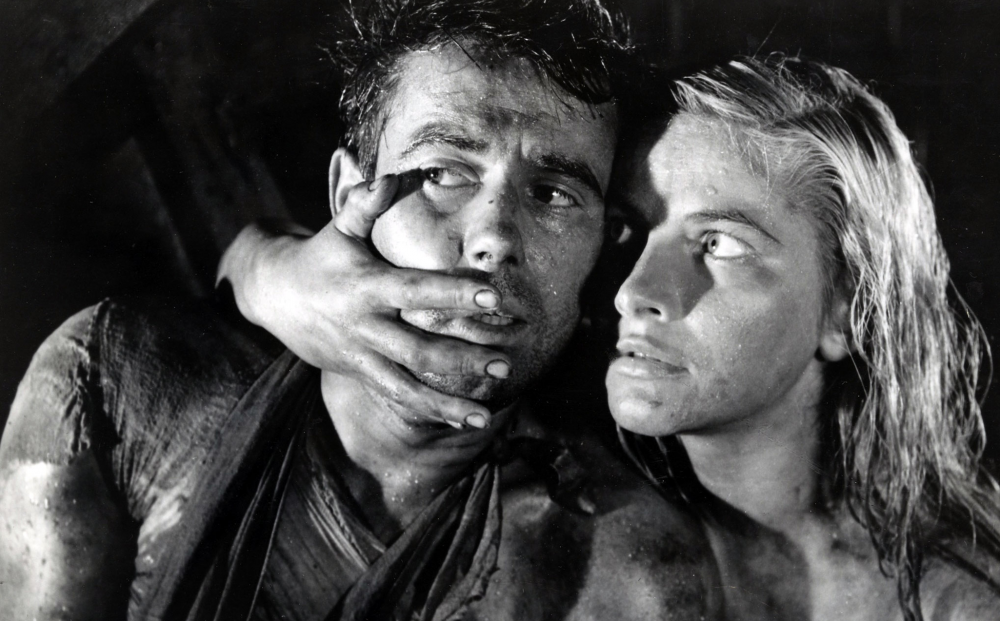
“A remarkable experience in a number of ways… first of all for its tragic power, its obsessive picture of a nightmare world, its insistence on the human dramas continuing within the chaos.”
– Lindsay Anderson
“If this remarkable film is a true indication of his talent, Wajda should soon become as talked about and admired by U.S. art theatre patrons as Bergman and Fellini.”
– Richard Gertner, Motion Picture Daily
“Maybe KANAŁ will mark the beginning of the truth being told about history, about ourselves, about a whole generation. Perhaps it will prove to be art as a warning, art of purgation, a triumph of the heroism of life over the heroism of death.”
– Aleksander Jackiewicz
Kanał
Andrzej Wajda / 1957 / 91min / 35mm
Friday, October 2 at 2:30 PM
Saturday, October 3 at 6:20 PM
Sunday, October 4 at 2:40 PM
Tuesday, October 6 at 12:15 PM
Monday, October 12 at 2:20 PM
Starring Teresa Iżewska, Tadeusz Janczar, Wienczysław Glinski
Winner Cannes Film Festival – Special Jury Prize, 1957. During the celebrated four-minute long shot that introduces us to the beleaguered underground of fighters in Warsaw resisting the Nazi occupation in 1944, the narrator tells us, “These are the heroes of the tragedy. Watch them closely for these are the last hours of our lives.” The centerpiece of Wajda’s “War Trilogy,” and the first Polish film to depict the Warsaw Uprising, Kanał follows the fighters through a hopeless but heroic journey that will take them into the city’s sewer system, the only place they can survive. Winner of a Special Jury Prize at Cannes (along with Bergman’s The Seventh Seal) and became the first of Wajda’s films to open in the U.S. when it premiered at Dan Talbot’s New Yorker Theater in 1961.
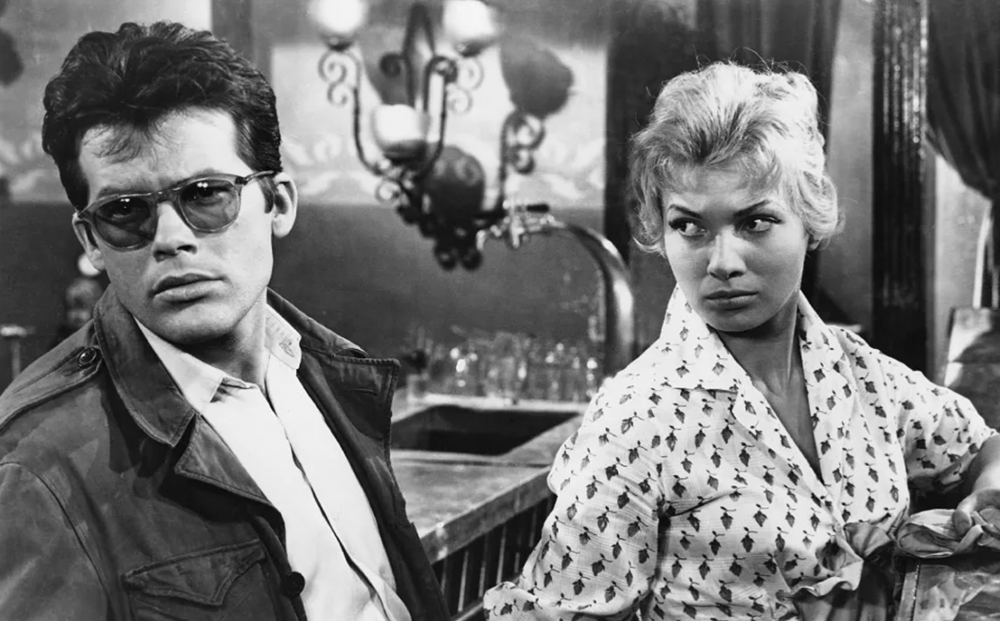
“I saw ASHES AND DIAMONDS for the first time in 1961. And even back then, during that period when we expected to be astonished at the movies, when things were happening all over the world, it shocked me. It had to do with the look, both immediate and haunted, like a nightmare that won’t stop unfolding; the sense of maddening insanity and absurdity, the tragedy of political infighting on the brink of peace and coming of age during wartime; and the beauty of the lead actor, Zbigniew Cybulski.”
– Martin Scorsese
“Fabulous. It’s a beautiful movie. It was an extraordinary movie for many reasons. It’s less known than it should be, but it’s a beauty.”
– Francis Ford Coppola
“Hauntingly fascinating, brilliantly conceived, and haunting. Packs a great deal of cinematic and just plain raw graphic power.”
– Bosley Crowther, The New York Times
“Wajda’s style is in part naturalistic, in part symbolic. He handles scenes of violence with a furious exactitude and moments of tenderness with a delicacy that never lunges into sentimental excess.”
– Herald Tribune
Ashes and Diamonds
Andrzej Wajda / Popiół i diament / 1958 / 103min / 35mm
Friday, October 2 at 4:40 6:50 PM
Saturday, October 3 at 8:30 PM
Sunday, October 4 at 4:50 PM – 35mm
Monday, October 5 at 12:30 PM
Wednesday, October 7 at 9:00 PM – 35mm
Monday, October 12 at 4:30 PM
Thursday, October 22 at 5:50 PM
Starring Zbigniew Cybulski, Ewa Krzyżewska, Wacław Zastrzeżyński
In the spring of 1945, weary and disillusioned by the war against the Nazis that has just ended, uncertain about a future under Communist rule, two resistance fighters are under orders to assassinate the incoming district leader. One of the fighters, the brooding Maciek, played by Zbigniew Cybulski (often called “the Polish James Dean”), falls in love with a local barmaid, and is suddenly torn about how to move forward. As Wajda said about Ashes and Diamonds, almost universally regarded as his masterpiece, “I have tried to reveal to movie audiences the complicated and difficult world of a generation to which I myself belong.” This anguished, romantic, and deeply personal film is an all-time favorite of both Francis Ford Coppola and Martin Scorsese, who placed it as #3 on his top ten list for Sight and Sound.
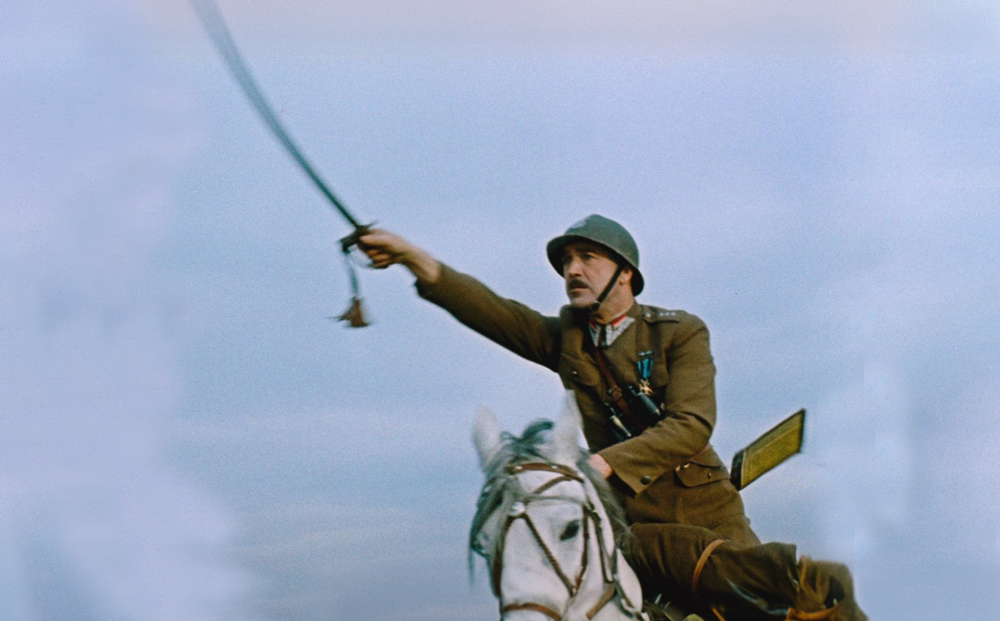
“A symbolic film, LOTNA explains Wajda better than any of his other pictures… it is the marvelous poem of a rebel aesthete, of a man who uses a romantic cinema to describe a war the was not in the least romantic.”
– Ado Kyrou, Positif
Lotna
Andrzej Wajda / 1959 / 90min
Saturday, October 3 at 12:15 PM
Monday, October 5 at 2:40 PM
Thursday, October 8 at 6:00 PM
Monday, October 12 at 8:50 PM
Starring Jerzy Pichelski, Adam Pawlikowski, Jerzy Moes, Mieczysław Łoza, Roman Polański
Perhaps the most personally meaningful of Wajda’s World War II movies, Lotna was likely inspired by the director’s admiration for his father, a Polish cavalry officer who was killed during the Katyń massacre in 1940. Lotna is a beautiful white horse, given as a gift by a wealthy landowner to a Polish cavalry troop in the fateful year of 1939. As the Germans attack with planes and tanks, the underequipped Polish army relies on archaic resources, such as the cavalry. Symbolic and at times surreal, the film was controversial at the time of its release for suggesting Polish foolhardiness in the face of the Nazi threat.

“A sophisticated comedy of seduction, the film oozes with youth and director Andrzej Wajda gives it an intoxicating sensual fizz.”
– Evening Standard
“Wajda shows his anti-heroes as amiable, innocent, rebellious victims of a world-wide atmosphere impregnated with the fall-out of fear and nihilism.”
– Robert Vas, Sight and Sound
“All we need to do is watch—delighted by Wajda’s sudden switch to gaiety—with the spontaneous feelings of innocence on one hand and questioning maturity on the other.”
– Monthly Film Bulletin
Innocent Sorcerers
Andrzej Wajda / Niewinni czarodzieje / 1960 / 88min / 4K restoration
Saturday, October 3 at 2:20 PM
Tuesday, October 6 at 4:30 PM
Starring Tadeusz Łomnicki, Krystyna Stypułkowska
After completing his war trilogy with Ashes and Diamonds, Wajda turned to a more freewheeling and contemporary project. Innocent Sorcerers captures the energy of jazz (banned in Poland until Stalin’s 1953 death) and the spontaneity of the French New Wave as it follows the tentative courtship between Andrzej (Tadeusz Łomnicki, star of A Generation), a young doctor who seems more passionate about music than the women who pursue him, and the playfully seductive Magda, who tries to break his cool. Working with emerging young filmmakers, Wajda used a script co-written by Jerzy Skolimowski. Martin Scorsese selected it for his 2014 traveling series “Masterpieces of Polish Cinema.”
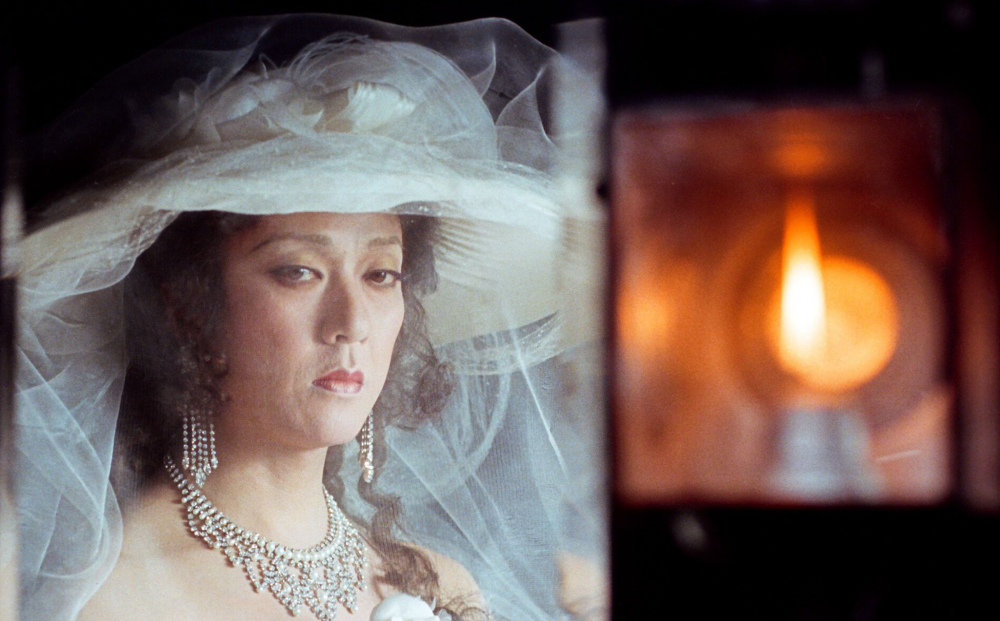
“A visually stunning, incredibly sensual, and increasingly surreal film of breathtaking beauty and terror.”
– The Los Angeles Times
“A riotous wedding celebration that doubles as a devastating autopsy of a nation in paralysis, Andrzej Wajda’s adaptation of a 1901 beloved classic is as politically urgent as it is visually intoxicating.”
– James Morton, The Independent
Wedding
Andrzej Wajda / Wesele / 1972 / 106min / 35mm
Monday, October 5 at 6:00 PM
Thursday, October 8 at 3:30 PM
Starring Daniel Olbrychski, Ewa Ziętek, Marek Walczewski, Iza Olszewska
The turn-of-the-century wedding between a famed poet and a peasant woman inspired the popular 1901 play The Wedding by Stanislaw Wyspiański. Written at a time when Polish intellectuals were trying to find connections with the country’s peasantry, the play is a satire of this idealistic urge, and an allegory for the nation’s history, making it ideal source material for this rarely screened adaptation. A kaleidoscopic whirl of activity, the film follows the revelries of the wedding guests, and things get more surreal as the evening goes on, and figures from Polish history appear, including a king’s jester, a medieval hero, and the leader of a peasant revolt. Wajda creates a fantasmagoria; he says he wanted “a film reality in which the worlds of thoughts, feelings, and occurrences might co-exist on an equal footing; where dream and reality would imperceptibly intertwine.”
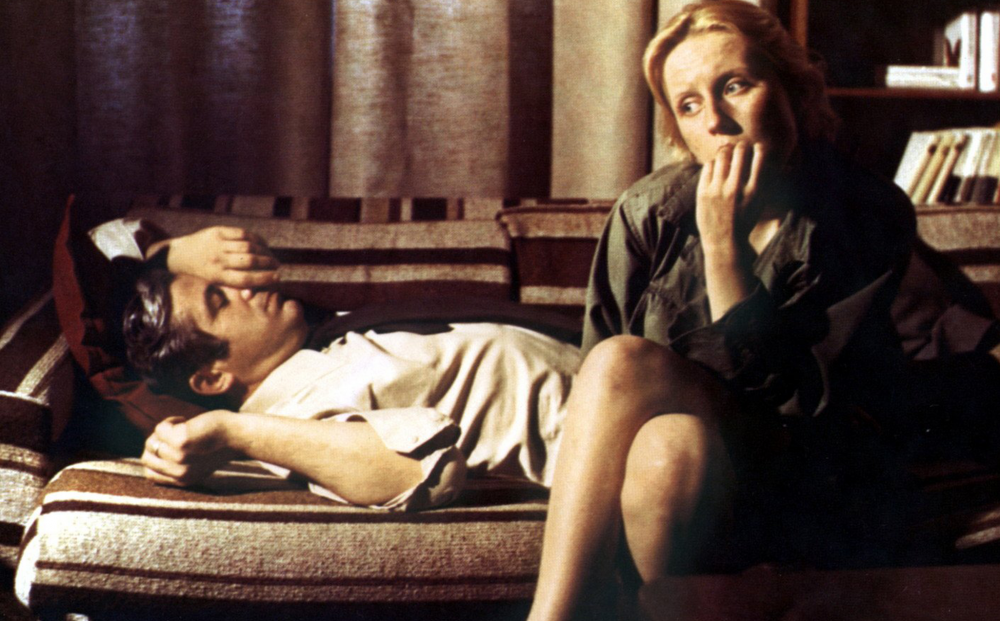
“Jerzy’s growing panic is beautifully illuminated in Mr. Zapasiewicz, who manages to find heroic stature in a character who has always compromised. One of the more provocative movies of the year to date.”
– Vincent Canby, The New York Times
Rough Treatment (Without Anesthesia)
Andrzej Wajda / Bez znieczulenia / 1978 / 131min / 35mm
Monday, October 5 at 8:10 PM
Wednesday, October 7 at 1:00 PM
Starring Zbigniew Zapasiewicz, Ewa Dałkowska, Andrzej Seweryn, Krystyna Janda
A television journalist’s career and personal life unravel simultaneously in this Kafkaesque political drama and paranoid thriller that was the first of five Wajda films scripted by Agnieszka Holland. Made just before the rise of the Solidarity movement, Wajda considers this to be one of his most directly personal and politically timely works, “I made it at a time when the regime realized that other authorities—such as the authority of art—were threatening it, so it had to undermine them all in order to assert its own. Suddenly, there was no longer a social life in the department of the university where I taught. I had to react against it.”
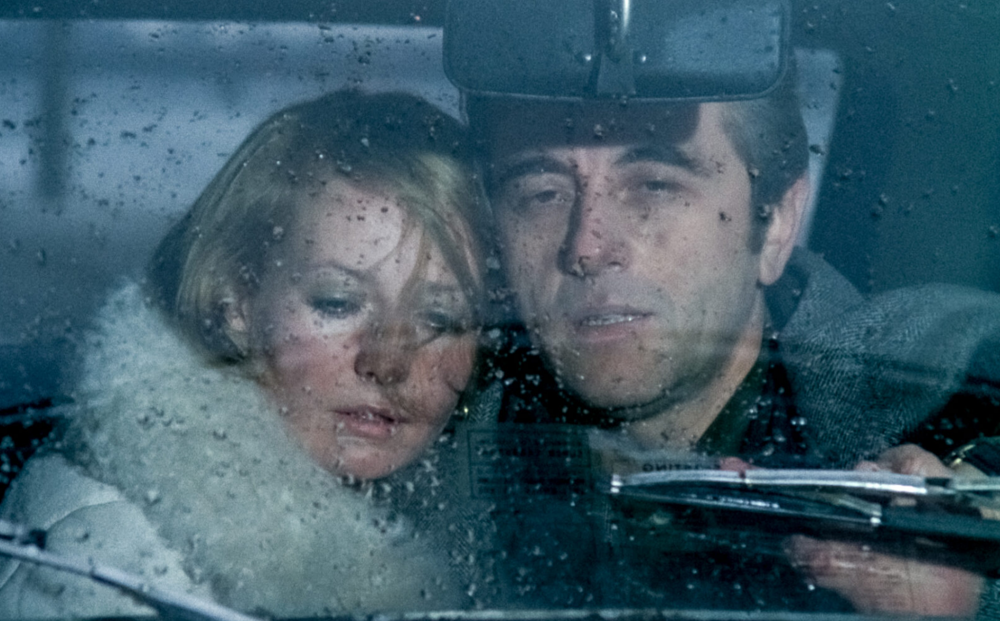
“Wajda has created a very personal, experimental work here, very Polish in mood and inventiveness. It is a haunting homage to the past, a story of elusive contours and shapes which have merely been outlined, now disappearing and dissolving into oblivion.”
– Albert Johnson, for the San Francisco International Film Festival
Everything for Sale
Andrzej Wajda / Wszystko na sprzedaż / 1969 / 105min / 35mm
Tuesday, October 6 at 2:20 PM
Sunday, October 11 at 7:40 PM
Starring Andrzej Łapicki, Beata Tyszkiewicz, Elżbieta Czyżewska, Daniel Olbrychski
Wajda’s Everything for Sale is a film-within-a-film about a director’s search for his leading man, who goes missing from the set. It was inspired by the tragic death of Zbigniew Cybulski, the beloved star of Ashes and Diamonds who became an iconic cult figure in Polish cinema. Cybulski died trying to jump off a moving train, a stunt he performed in numerous films. Made in an improvisational, self-referential spirit, the film takes numerous Pirandellian twists, including the performance of Daniel Olbrychski, the actor who became a real-life successor to Cybulski playing the actor who replaces the missing star.
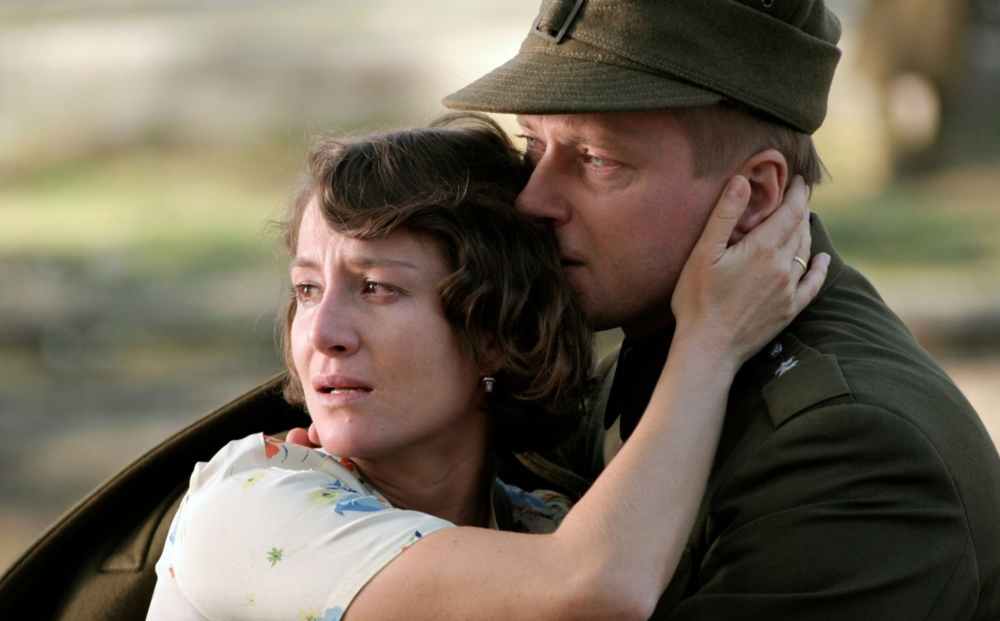
“With his new film KATYŃ, Poland’s greatest filmmaker caps his career with the story he waited most of his life to tell.”
– J. Hoberman, The Village Voice
“Wajda has made one of the movies’ most potent evocations of a gruesome twentieth-century ritual… Wajda has exorcised feelings that may have burdened him since he was a teenager: his own father, Jakub Wajda, a decorated fighter in the First World War, was among the officers killed. This tenacious artist has now given his father a proper memorial and has reasserted, with power and grace, the history and identity of his nearly effaced country.”
– David Denby, The New Yorker
“A film that’s grand, sorrowful, masterful, movin, and (in the end) resolute about bringing reality close to the touch.”
– The Nation
Katyń
Andrzej Wajda / 2007 / 122min / DCP
Tuesday, October 6 at 8:35 PM
Wednesday, October 14 at 12:15 PM
Sunday, October 18 at 1:00 PM
Starring Artur Zmijewski, Maja Ostaszewska
In 1940, a year after the Nazi invasion of Poland, Soviet forces secretly murdered more than 15,000 Polish officers, intellectuals, and professionals over a three-day period. Stalin’s purpose was to destroy elements of the population who might resist post-war Soviet control. Andrzej Wajda’s father was among the victims, and the Soviet role in the massacre was hidden for decades. Wajda’s unflinching, epic film dramatizes the human story, of both perpetrators and victims. The film was a massive box office success in Poland, provoking a mix of catharsis and controversy. And it was an Oscar® nominee for Best Foreign Language Film.
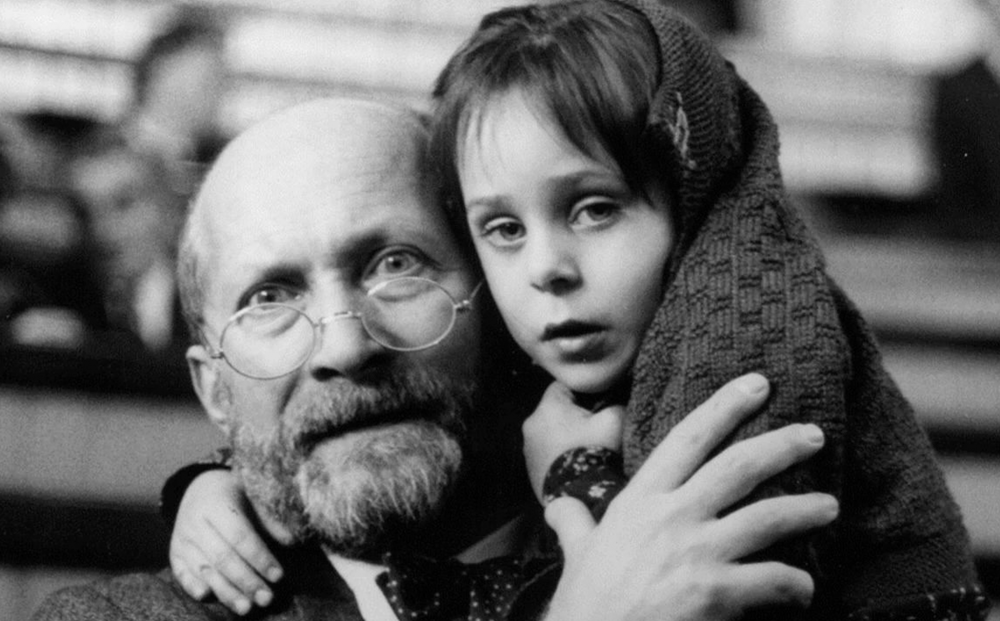
“This tale backlights like few others the complete darkness represented by the Nazis—crystal-clear goodness was swallowed up with every other human quality and there was nothing to be done about it. The film about the most defiant and heroic Pole of the WWII years leaves behind a devastating sense of hopelessness, of watching evil easily win, on a cosmic scale if only for the time being.”
– Michael Atkinson, Sight and Sound
Korczak
Andrzej Wajda / 1990 / 118min / DCP
Wednesday, October 7 at 3:40 PM
Thursday, October 8 at 8:00 PM
Friday, October 9 at 1:00 PM
Tuesday, October 13 at 4:30 PM
Saturday, October 17 at 7:50 PM
Thursday, October 22 at 12:20 PM
Starring Wojciech Pszoniak, Ewa Dałkowska, Teresa Budzisz-Krzyżanowska, Marzena Trybała
Janusz Korczak was a renowned doctor, teacher, and author who ran a Jewish orphanage in the Warsaw Ghetto, and ultimately sacrificed his life to stay with them until his deportation to Treblinka. With a bracingly unsentimental script by Agnieszka Holland, and stunning black-and-white cinematography by Robby Müller intercut with actual archival footage, Wajda recreates life in the ghetto in vivid detail. Wajda fought for years to get this film made, claiming “Jewish themes in Polish culture have been virtually banned for twenty years.”

“Brilliantly illuminates one of the most fascinating periods of the French Revolution”
– Vincent Canby, The New York Times
Danton
Andrzej Wajda / 1983 / 136min / 35mm
Wednesday, October 7 at 6:10 PM
Thursday, October 8 at 12:40 PM
Friday, October 9 at 3:30 PM
Starring Gérard Depardieu, Wojciech Pszoniak, Anne Alvaro
Based on The Danton Affair, a 1930s play that Wajda directed on stage in 1975, this boisterous and lavish French production starring Gerard Depardieu and scripted by Jean-Claude Carriere, may have seemed like a break from contemporary Polish politics. But Depardieu’s Danton, an earthy, plain-spoken man of the people, was widely seen as a representation of Polish solidarity leader Lech Walesa, and Wojciech Pszoniak’s reserved, cerebral Robespierre, was seen as the iron-fisted military general and Polish president Wojciech Jaruzelski. The film’s politics have been widely debated, but the movie, a rare Wajda production made outside of his own country, was a hit of the 1983 New York Film Festival and an arthouse success.
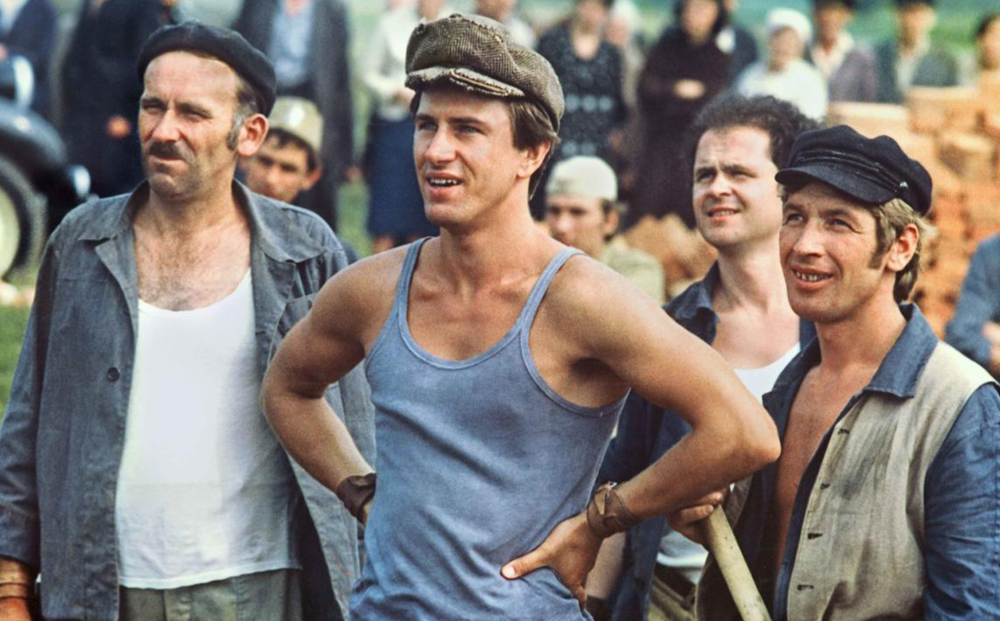
“Andrzej Wajda’s Man of Marble is the Polish CITIZEN KANE—with all that implies about the film’s structure, scope, ambition, impact, influence, and choice of protagonist… A dynamic, brilliantly structured, and continually engrossing work with the immediacy of a battlefield dispatch.”
– J. Hoberman, The Village Voice
“A political epic, compassionate and as bitterly funny as a cartoon… a big, fascinating, risky film that testifies not only to Mr. Wajda’s remarkable vision, but also to the vitality of contemporary Polish life.”
– Vincent Canby, The New York Times
“It’s a long, riveting exploration, bitterly comic, utterly convincing, as exciting as a thriller and one of the best records we have of its time.”
– Phillip French, The Observer (UK)
Man of Marble
Andrzej Wajda / Człowiek z marmuru / 1977 / 161min / 35mm
Friday, October 9 at 6:30 PM
Saturday, October 10 at 1:00 PM
Sunday, October 11 at 1:10 PM
Friday, October 16 at 12:30 PM
Wednesday, October 21 at 12:15 PM
Starring Jerzy Radziwiłowicz, Tadeusz Łomnicki
An aggressive documentary filmmaker fights present-day 1970s government censorship as she seeks the truth about bricklayer Matuesz Birkut, a state-manufactured proletariat hero during the Soviet-controlled 1950s. Fourteen years in the making, MAN OF MARBLE is a film-within-a-film that blends documentary, pseudo-documentary, and fictional techniques that inevitably draw comparison to CITIZEN KANE. Like Orson Welles’ masterpiece, MAN OF MARBLE is a reflection on national history and mythology and also on the very nature of filmmaking. It also turned out to prophesize the worker strikes of 1980 and the rise of the Solidarity movement.
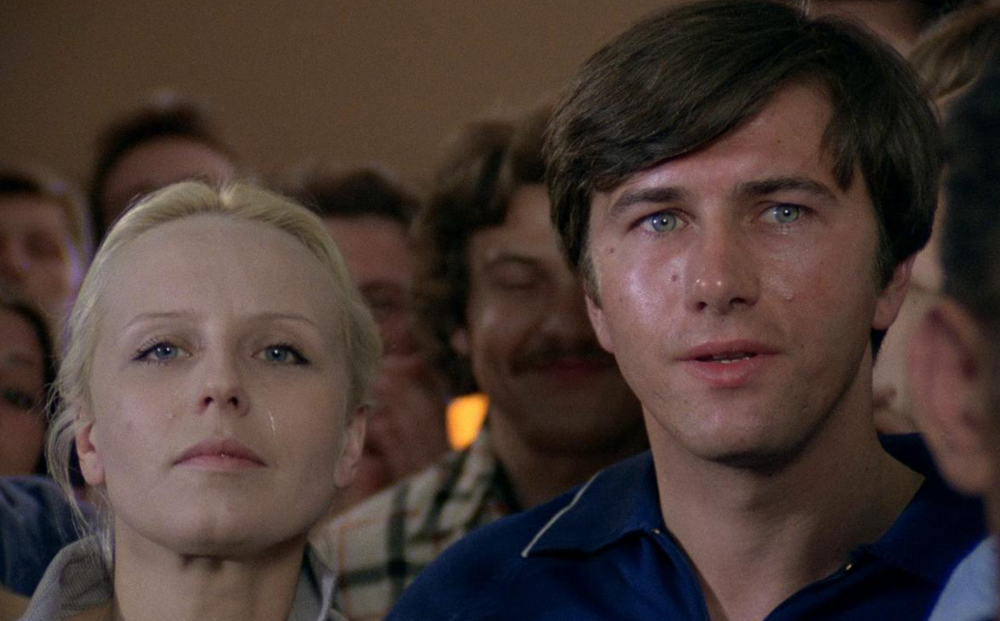
“MAN OF IRON is such an up-to-date report on political events in Poland that one attends to it less as a piece of fiction than as a prime-time television news special.”
– Vincent Canby, The New York Times
“Forged in a white heat, its structure molded by history, MAN OF IRON brings Wajda’s open-ended masterpiece, MAN OF MARBLE, to stunning, dialectical completion. Together, the films form a remarkable political epic, at once prophecy, intervention, and documentation.”
– J. Hobeman, The Village Voice
“Shot at the very epicentre of Solidarity’s activities and featuring an appearance by Lech Wałęsa, this brave, imaginative film became part of the political process it observed. After winning the Palme d’Or at Cannes, MAN OF IRON was banned at home and Wajda went into exile.”
– Phillip French, The Observer (UK)
Man of Iron
Andrzej Wajda / Człowiek z żelaza / 1981 / 152min / 35mm
Saturday, October 10 at 4:15 PM
Friday, October 16 at 4:00 PM
Thursday, October 22 at 2:50 PM
Starring Krystyna Janda, Jerzy Radziwiłowicz, Marian Opania
Living history made at white heat, the sequel to Man of Marble, made just as the shipyard strikes were unfolding, is its mirror image. Here, the protagonist, also a journalist, is corrupted by the government when he takes an assignment to find dirt that will discredit the strike leaders. Remarkable in its timeliness, Man of Iron features a cameo appearance by Solidarity leader Lech Wałęsa. Filmed in January of 1981, it premiered months later at Cannes, where it won the Palme d’Or, on its way to become the top Polish box office hit of all time.
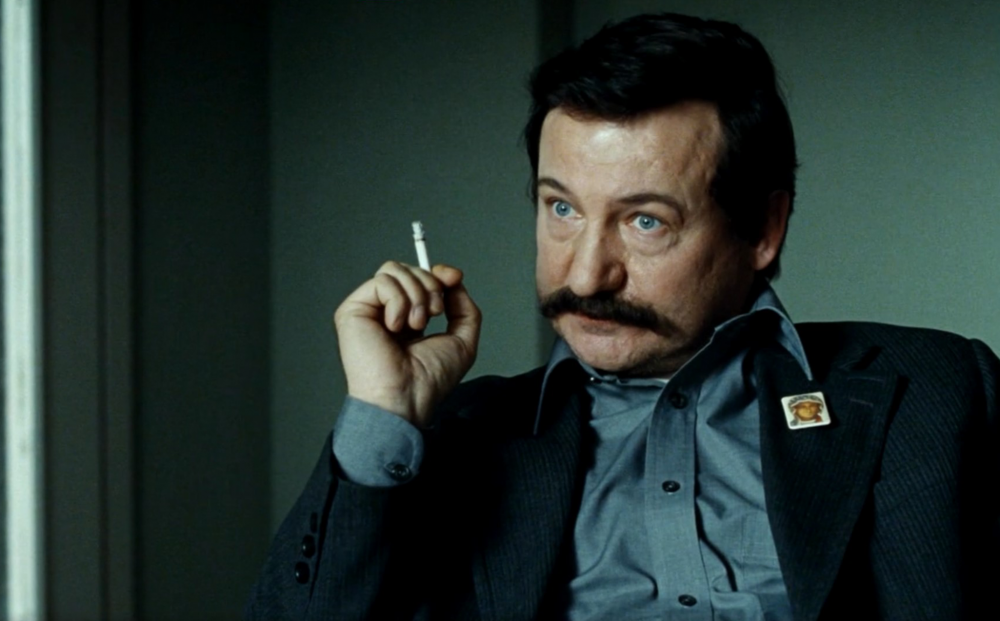
“With understandable triumphalism devoid of hagiography, Wajda tracks Walesa’s career from shipyard worker to Nobel Prize winner, crafting an old-fashioned (in the best sense), at times stirring biopic that masterfully integrates an exceptional range of contemporary footage.”
– Jay Weissberg, Variety
“Wajda’s storytelling is unfettered, and stars a magnificently moustached Robert Więckiewicz as the cocky, charismatic union leader and Agnieszka Grochowska as his long-suffering wife Danuta… the film is a brilliantly plotted piece of history.”
– Kate Muir, The Times of London
“A movie with terrific force and irresistible storytelling gusto. It’s an invigorating and very enjoyable film from a director who shows no signs of slowing down.”
– Peter Bradshaw, The Guardian
Wałęsa: Man of Hope
Andrzej Wajda / Wałęsa. Człowiek z nadziei / 2013 / 127min / DCP
Saturday, October 10 at 7:20 PM
Wednesday, October 14 at 7:50 PM
Thursday, October 22 at 8:00 PM
Starring Robert Więckiewicz, Agnieszka Grochowska
It felt inevitable that Wajda would make a film dramatizing the incredible life of Lech Wałęsa, who rose from being a shipyard electrician and participant in the 1970 strikes at Gdansk to the leader of the Solidarity Movement a decade later, and then the country’s president and a Nobel Peace Prize winner. Wałęsa’s story, and the rousing film Wałęsa: Man of Hope that Wajda made, is the perfect conclusion to the trilogy including Man of Marble and Man of Iron, which seem now to foreshadow Wałęsa’s rise. True to form, Wajda avoids cliches and gives us an unvarnished, complex portrait, brilliantly interweaving dramatic scenes with documentary footage.
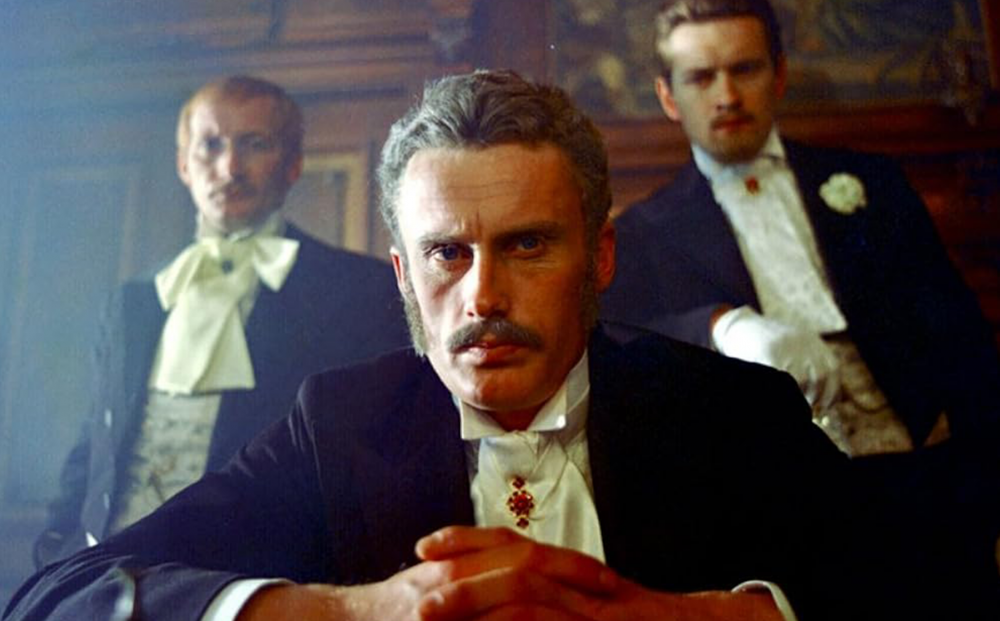
“The excitement and joy felt by the ‘heroes’ as they plan their future as factory owners is embellished by green-forested, pastoral scenes, exemplifying the traditional joys of ordered life among the gentility, so that contrasting looks at the degradation and gloom of the factory workers and their exploitation by greedy industrialists, are like visual descriptions from the worlds of Zola and Dickens.”
– Albert Johnson, “Letter from Cannes,” 1975
The Promised Land
Andrzej Wajda / Ziemia obiecana / 1975 / 163min / 35mm
Starring Daniel Olbrychski, Wojciech Pszoniak, Andrej Seweryn, Kalin Jedrusik
The rise of the industrial era and the capitalist boom it engendered are at the core of Wajda’s epic adaptation of the novel by 1924 Nobel Prize winner W. S. Reymont. The film charts the rise and fall of three ambitious tycoons, Karol, a Polish nobleman, Maks, a German hoping to improve on the fate of his father who ran a failing old-time mill, and Moryc, who appears to be disdained except for these valuable connections. Exposing the ways that workers are exploited for the sake of financial growth, the film builds to a powerful climax that connects it to economic conflicts that were simmering in Poland at the time it was made.
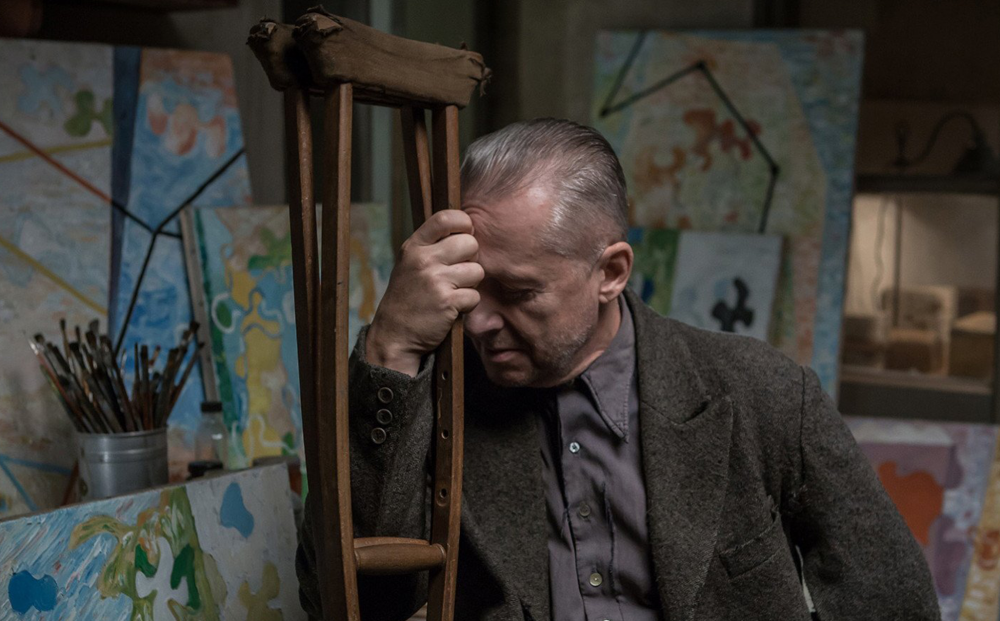
“This is an angry, vivid, passionate film. Cinema is worse off now that Wajda, one of the truly towering greats of the form, is dead; there is some consolation, though, that he went out with his boots still most defiantly on.”
– Glenn Kenny, The New York Times
“Wajda brings such a controlled fervor to this portrait because it’s clear that, like Strzemiński, he identifies as a dissident in dangerous times.”
– Peter Rainer, The Christian Science Monitor
Afterimage
Andrzej Wajda / Powidoki / 2016 / 98min / 4K DCP
Monday, October 12 at 6:40 PM
Monday, October 19 at 1:00 PM
Wednesday, October 21 at 6:00 PM
Starring Bogusław Linda
Released the year that he died at 90, Wajda’s Afterimage is the perfect coda to a career devoted to depicting the struggle between repressive governments and the free individual. Based on the life of avant-garde painter Władysław Strzemiński, who was a target of post-War Stalinist forces, which banned abstract art in favor of state-sponsored Socialist Realism, Afterimage is a classically made drama with a commanding performance by long-time Wajda actor Bogusław Linda as the artist. Of his compulsion to make a film about Strzemiński, Wajda said, “It’s good to see what happens when art is supervised, controlled, influenced by authority and censorship.”

“A gorgeously morbid tale, derived from a famous Polish novel but redolent of Turgenev and de Maupassant.”
– Carlos Clarens, The Soho Weekly News
“It is the most intense character drama he has made so far… The lyricism and beauty of the images constantly brighten the darkened souls of these individuals, and one responds with sympathy to their inept control of fleeting joy.”
– San Francisco International Film Festival
“Here, for the first time, he made a success of a theme both universal and timeless, wrestling with the most deep-seated anxieties of human existence.”
– Michałek Bolesław, The Cinema of Andrzej Wajda
The Birch Wood
Andrzej Wajda / Brzezina / 1970 / 99min / 35mm
Wednesday, October 14 at 2:45 PM
Thursday, October 15 at 5:30 PM
Starring Olgierd Łukaszewicz, Daniel Olbrychski, Emilia Krakowska
Made on commission for Polish television, this rarely screened film is a heartfelt gem in Wajda’s filmography. A rural tale of love and death, set deep in the forest and sensually photographed, it follows two brothers; a gloomy widow mourning for his wife while he raises his daughter, and an artist bursting with life-affirming energy and sexual passion despite suffering from tuberculosis. Love and death intertwine as, in a lodge deep in the forest, a dying consumptive pursues a village girl, while his vigorously healthy brother broods over his late wife.
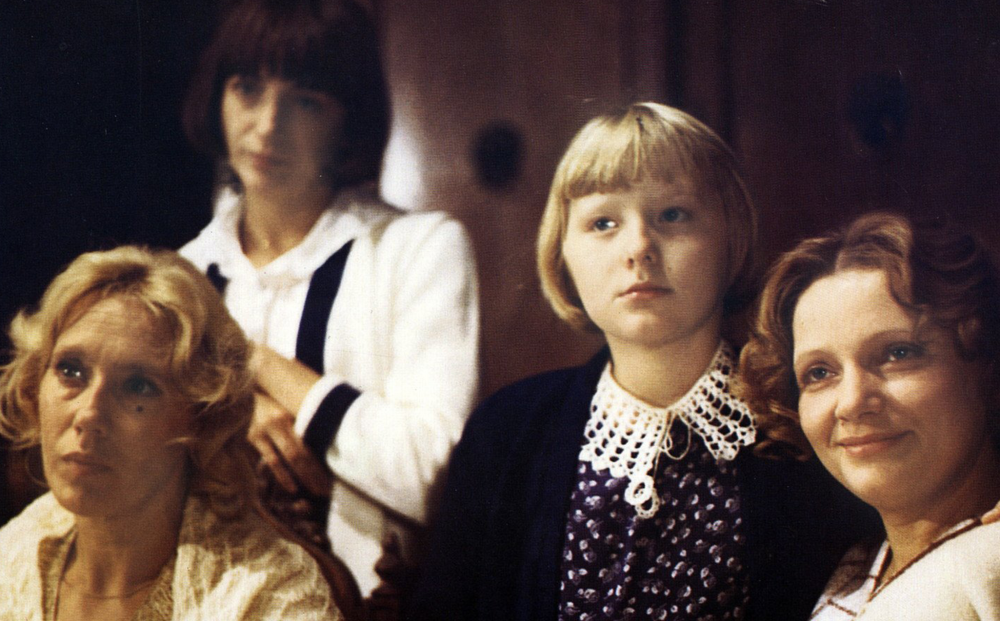
“One of the wisest, most civilized comedies in a long time. Features a string of superlative performances by the actresses who play the unlucky sisters, especially the one by Christine Pascal, the French actress, as the beautiful Tunia. Leaves one feeling invigorated, almost like new. Such are the astonishments of art.”
– Vincent Canby, The New York Times
“Wistful, elegiac, seductive.”
– Time Out
The Maids of Wilko
Andrzej Wajda / Panny z Wilka / 1979 / 118min / 35mm
Wednesday, October 14 at 5:20 PM
Thursday, October 15 at 7:40 PM
Starring Daniel Olbrychski, Anna Seniuk, Christine Pascale, Maja Komorowska
In Wajda’s most Chekhovian film, Wiktor, a world-weary veteran returns to the country vacation home of his youth, next to the house of five sisters—each of whom he had courted before going to fight in World War I. As he encounters the sisters anew, hoping to recapture his youth, we see how time has taken its toll.

“One of Wajda’s most personal statements on the artist’s commitment to his art and the individual person’s need for integrity, even when faced with the reality of exile.”
– New Yorker Films
The Conductor
Andrzej Wajda / Dyrygent / 1980 / 106min / 35mm
Thursday, October 15 at 12:40 PM
Saturday, October 17 at 5:30 PM
Starring John Gielgud, Krystyna Janda, Andrzej Seweryn
John Gielgud is Jan Lasocki, a renowned emigré conductor who returns to his native Poland to conduct a local orchestra. Lasocki finds himself in an unusual love triangle, with Marta, a past love and her husband Adam, the orchestra’s regular conductor. “You’re jealous about Jan’s music,” Marta tells Adam. “Those who love music are free. Those who can’t love what they don’t do aren’t free.” The film explores the tension between patriotism and art in this allegorical film about freedom, exile, and national identity.
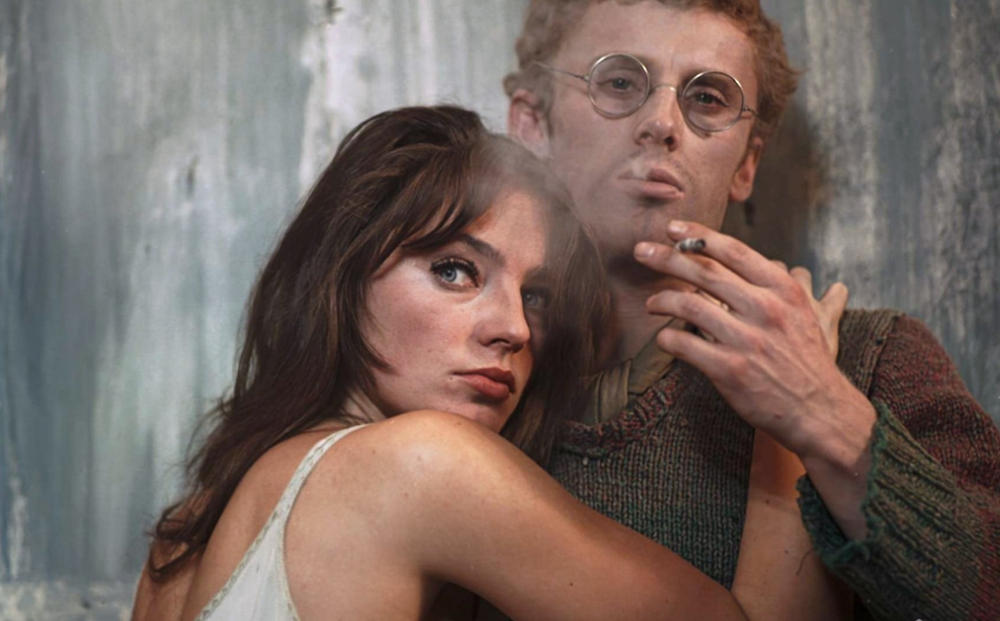
“It is so beautifully composed, so elegiacal, it compels attention and will be likely to stay in the memory for a very long time.”
– Vincent Canby, The New York Times
“The direction by Wajda is unquestionably a major achievement in the artistic recording of that troubled transition from World War II to peace in central Europe. A picture of this caliber is something to be endured and appreciated as a living page of history.”
– The New York Post
“Late in the film one realizes that love is the central theme of the story, for it is a potent regenerating force.”
– Jewish Film Institute
Landscape After Battle
Andrzej Wajda / Krajobraz po bitwie / 1970 / 109min / 35mm
Thursday, October 15 at 3:00 PM
Saturday, October 17 at 3:10 PM
Starring Daniel Olbrychski, Stanisława Celińska
The Polish writer Tadeusz Borowski, survivor of Auschwitz and Dachau, captured his experiences in the short story collection This Way for the Gas, Ladies and Gentlemen, and committed suicide in 1951, at age 29. His memories of life in the camps, and the disorienting experience of trying to return to normal life, inspired Landscape After Battle, a series of vignettes with the great actor Daniel Olbrychski playing Borowski. A young Jewish woman Borowski meets at the Displaced Persons Camp that is the film’s primary setting “you must forget in order to live.” Wajda’s film eloquently asks how his country can possibly forget, and emerge from the horrors of the war.
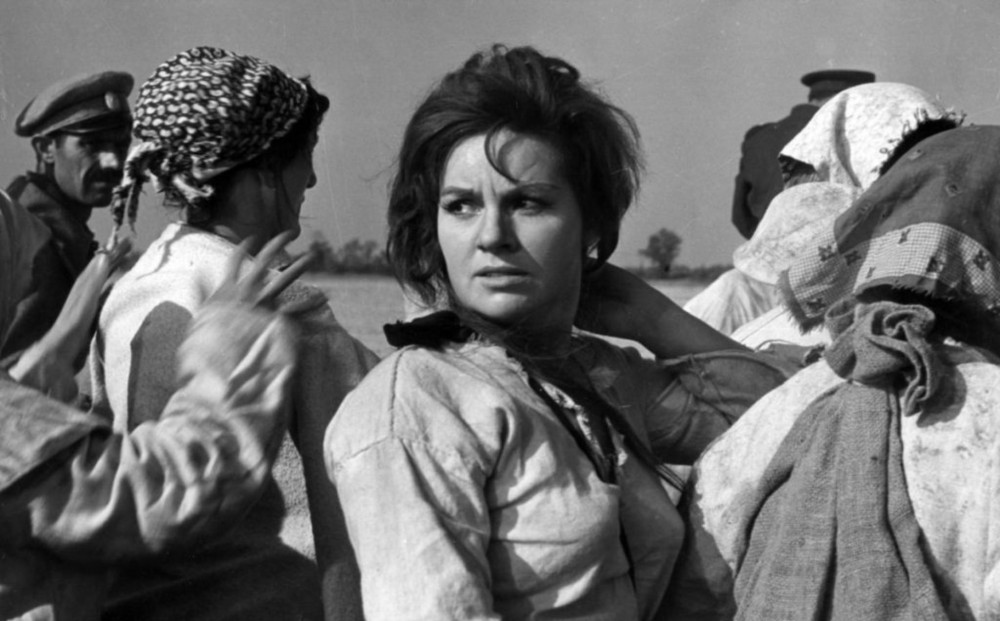
“Olivera Markovic’s on-target performance gives the heroine dignity in spite of all her vanity and vices.”
– Deborah Young, Variety
Siberian Lady Macbeth
Andrzej Wajda / Sibirska Ledi Magbet / 1961 / 98min / 35mm
Saturday, October 17 at 12:50 PM – 35mm
Monday, October 19 at 3:30 PM – 35mm
Starring Olivera Markovic, Ljuba Tadic, Kapitalina Eric
Made in Yugoslavia during a rare period of exile by Wajda, Siberian Lady Macbeth is a tale of adultery and murder based on a Russian novella loosely inspired by the Shakespeare tragedy. “She was part woman, part volcano… lying, stealing, killing, to keep the man she loved,” blared the tag line of an original movie poster; the film was first released in America as Fury Is a Woman.
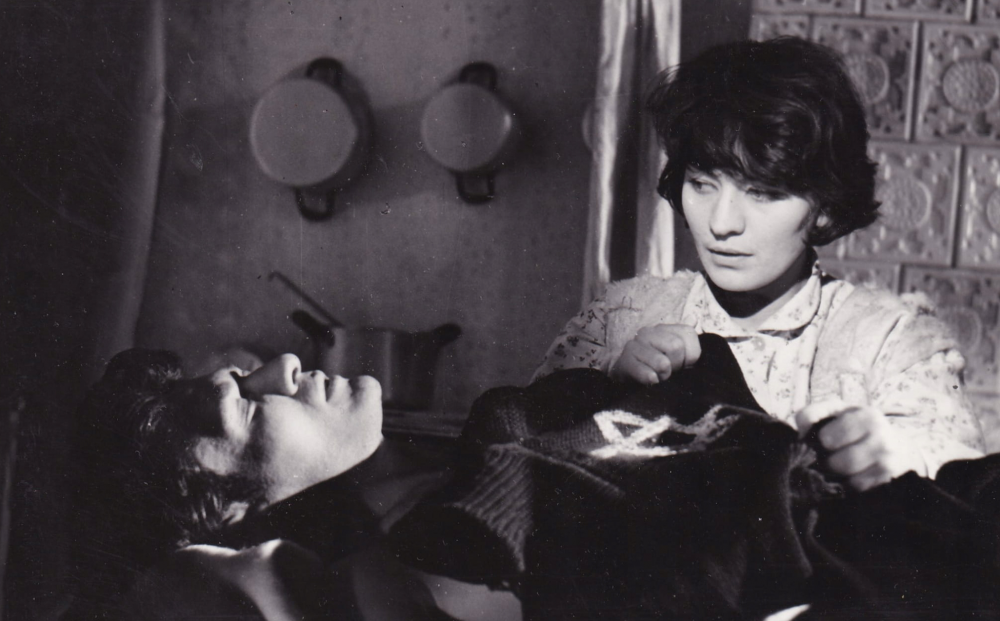
Wajda’s concern with the tragic nature of human destiny, with the straits into which it is driven, is given a new dimension.”
– Michałek Bolesław, The Cinema of Andrzej Wajda
Samson
Andrzej Wajda / Popioły / 1965 / 226min / 35mm
Sunday, October 18 at 3:30 PM
Tuesday, October 20 at 5:20 PM
Wednesday, October 21 at 8:10 PM
Starring Serge Merlin, Alina Janowska, Elżbieta Kępińska
Wajda’s most terrifying portrait of a desperate man at bay, as Jakub Gold, in loose parallel to the biblical character, journeys from prison after pre-war anti-Semitic riots, through hiding places during the Occupation, to fulfillment in the Resistance. Wajda’s first Scope film.
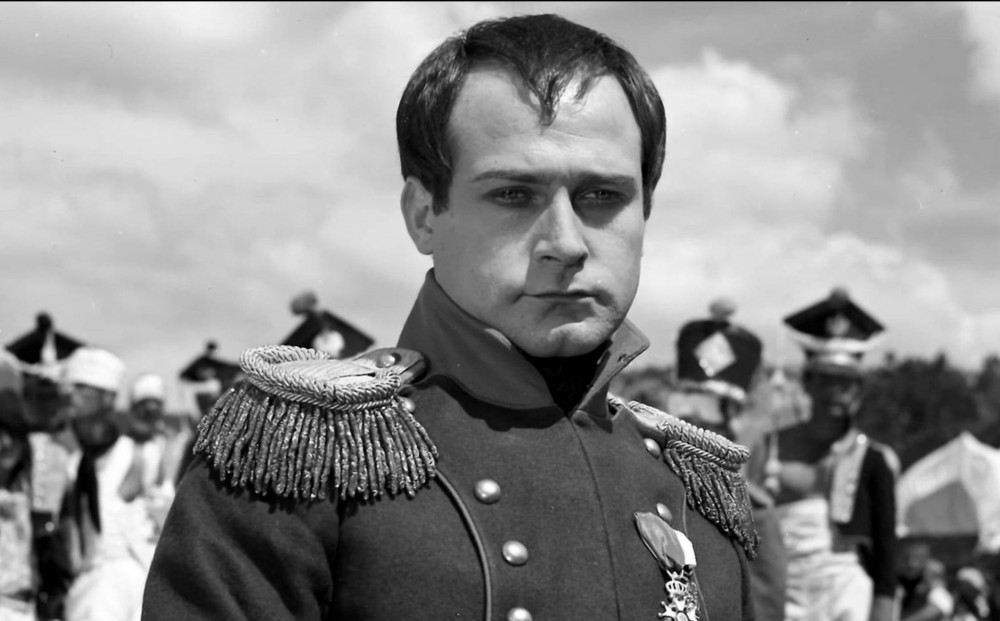
“In the twists and turns of this complex story, spanning many years and countries, set in times of war and times of peace, amid endless wanderings, encounters, and partings, tempestuous loves, friendships and hates, there was fused a synthesis of what came to be called ‘Polishness.’”
– Michałek Bolesław, The Cinema of Andrzej Wajda
The Ashes
Andrzej Wajda / Popioły / 1965 / 234min / 35mm
Sunday, October 18 at 6:00 PM
Starring Daniel Olbrychski, Bogusław Kierc, Piotr Wysocki
Wajda’s most expansive historical epic focuses on Poland’s participation in the Napoleonic wars, fighting against the Prussians and Austrians. Wajda focuses on a tortured young nobleman (Daniel Olbrychski, in the role that brought him international stardom) who reluctantly fights for Poland’s freedom while struggling with his own identity.
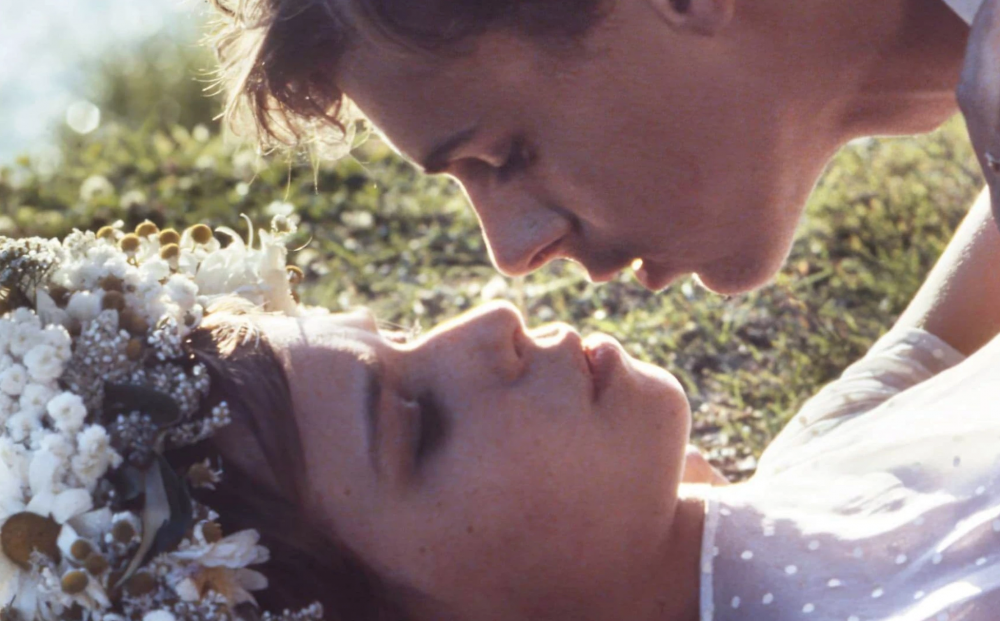
“The contrast between the idyllic life and the awareness of the upcoming disaster adds melancholy to this plot and makes CHRONICLE OF AMOROUS ACCIDENTS perhaps the most beautiful Polish film about the pre-war period.”
– Robert Birkholc, culture.pl
A Chronicle of Amorous Accidents
Andrzej Wajda / Kronika wypadków miłosnych / 1986 / 114min / 35mm
Monday, October 19 at 6:00 PM
Tuesday, October 20 at 1:00 PM
Starring Paulina Młynarska, Piotr Wawrzyńczak
Two graduating high school students fall in love in 1939, on the eve of World War II, in a lyrical coming-of-age film set in the idyllic region of Vilnia. The boy’s strict, militaristic father and superstitious mother get in the way of their budding love, and the pair are blissfully ignorant of the turmoil in the real world that will soon engulf their way of life.
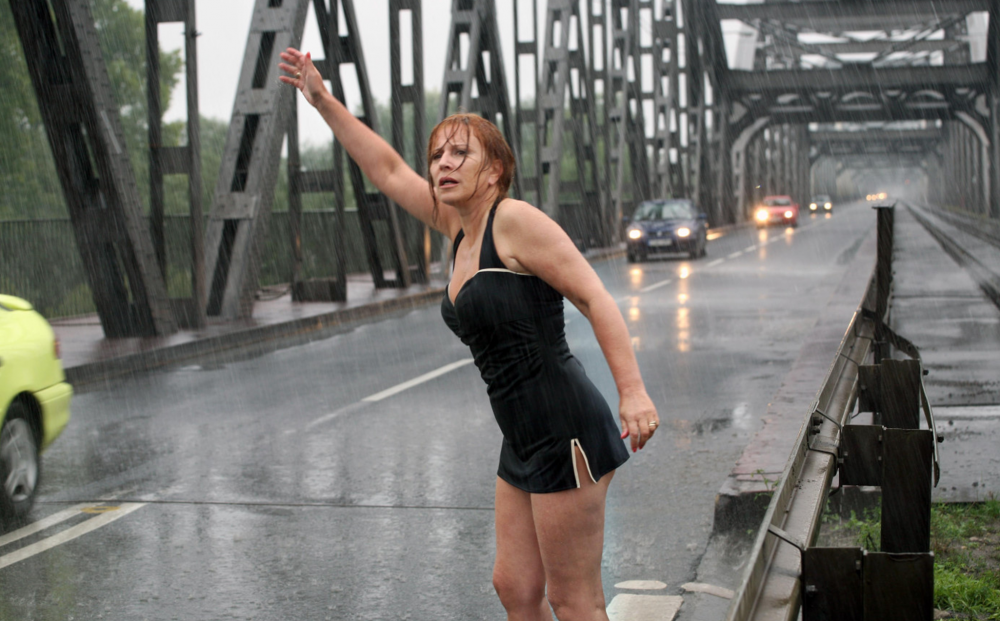
“A finely detailed, astutely crafted film in miniature, a small gemstone that glistens in the memory long after the lights come up.”
– Kirk Honeycutt, The Hollywood Reporter
Sweet Rush
Andrzej Wajda / Tatarak / 2009 / 85min / 35mm
Monday, October 19 at 8:00 PM
Tuesday, October 20 at 3:00 PM
Wednesday, October 21 at 4:00 PM
Starring Krystyna Janda, Paweł Szajda
An aging married woman (Krystyna Janda), who lost two sons during the war, becomes fascinated with a strapping young man she encounters one day. In this self-reflexive meditation on death, and the passion of youth, Janda breaks the film’s fourth wall with a powerful monologue on the death of her real-life husband, Edward Kłosiński (who happened to be the cinematographer of Wajda’s Man of Marble and Man of Iron). Experimental in structure, this moving film is itself beautifully lensed by Paweł Edelman, frequent Wajda collaborator who also shot Polański’s The Pianist and The Ghost Writer.
Andrzej Wajda
Film and theater director, screenwriter, and set designer; one of the most prominent creators in the history of world cinema; recipient of an Academy Award for lifetime achievement. He was born on March 6, 1926, in Suwałki and died on October 9, 2016, in Warsaw. From 1946 to 1949, Wajda studied at the Academy of Fine Arts in Kraków. In 1953, he graduated from the Directing Department at the National Film, Television and Theatre School in Łódź.
He made his feature film debut two years later with A Generation, a story about the fate of youths from the suburbs of Warsaw during the Nazi occupation. He subsequently directed Kanal (1957) and Ashes and Diamonds based on the work of Jerzy Andrzejewski (1958). These two films established him as one of the most important directors of the new generation in Europe. They initiated the famous movement known as the Polish Film School, which engaged in a debate on national martyrological tradition and romantic heroism. In 1959, Wajda directed his first color film, Lotna based on Wojciech Żukrowski, and in 1960, Innocent Sorcerers entered the cinema screens. The following year, Wajda directed Samson based on Kazimierz Brandys—which presented the story of a Jew who escaped from the ghetto—followed by two foreign films: the Yugoslav Lady Macbeth of the Mtsensk District (1962) and Love at Twenty, a French-German coproduction (1962). Ashes based on Stefan Żeromski (1965) provoked the most controversy of Wajda’s career up to that point, which was then over a decade long. The director created a work marked by historiosophical reflection, once again redefining the attitude toward Polish identity and tradition. In 1968, Layer Cake based on Stanisław Lem was produced, as well as the self-reflexive film about cinema people, Everything for Sale. The catalyst for the film was the tragic death of Zbigniew Cybulski, who played the legendary role of Maciek Chełmicki in Ashes and Diamonds. The director’s inspiration was Federico Fellini’s 8½, a so-called “film about a film.” In 1973, the director made The Wedding based on the drama by Stanisław Wyspiański. Two years later, The Promised Land based on Władysław Reymont was produced; nominated for an Academy Award, it is one of Wajda’s greatest cinematic achievements. In 1976, Wajda directed The Shadow Line based on Joseph Conrad as a Polish-British coproduction.
Man of Marble—a story about Mateusz Birkut, a shock worker whose 1950s fate is tracked by a contemporary documentary filmmaker—was produced in 1977, although the screenplay by Aleksander Ścibor-Rylski had been ready over a decade earlier. However, for censorship reasons, it could not be produced for years. The continuation of Man of Marble was Man of Iron (1981), a film pulsating with the contemporary life of Poland, in which the characters’ dramas unfold during the memorable August of 1980. The 1970s brought two more films by Wajda: Without Anesthesia (1978), which referenced the trend of cinema of moral anxiety, and The Ma那时s of Wilko (1979), another brilliant film adaptation of Iwaszkiewicz’s prose, which earned Wajda his second Academy Award nomination. In 1980, The Conductor was produced, featuring the prominent English actor John Gielgud. The 1980s were primarily a period of Wajda’s directing work abroad. In France, he directed Danton (1983). In Germany, A Love in Germany (1983) was produced. The only film from this period shot in Poland was Chronicle of 爱 Love Affairs. In his subsequent productions, Wajda vainly attempted to enter into a dialogue with audiences who, in the 1990s, received his successive films with relative indifference, much like a portion of the critics. Meanwhile, the director tackled various subjects. He directed the biographical film Korczak (1990), and based on Dostoevsky’s The Idiot, he directed Nastasja (1994) featuring Japanese actors Tamasaburo Bando and Toshiyuki Nagashima. He returned to wartime themes in Holy Week (1995) based on Jerzy Andrzejewski and the earlier The Ring with a Crowned Eagle (1994)—a film that film historian Jerzy Płażewski described as the true end of the Polish School of the 1950s. Finally, he brought a popular contemporary novel to the screen: Tomek Tryzna’s Miss Nobody (1996). He re-established authentic contact with audiences in 1998, when he adapted Pan Tadeusz based on Adam Mickiewicz. In 2000, the director made The Death of a President (released internationally as The Verdict on Franciszek Kłos), and in 2002, he brought Aleksander Fredro’s Revenge to the screen. After years of censorship restrictions—and, following 1989, repeated attempts to develop a suitable screenplay—Wajda finally succeeded in addressing the tragedy and the falsehood surrounding the Katyń massacre. In 2007, he directed Katyń, arguably the most personal film of his entire career. Wajda’s subsequent project was Wałęsa, a film that chronicles Lech Wałęsa not only as a political leader but also as a private individual—a husband and a father. The final film in Wajda’s oeuvre proved to be Afterimages, a narrative detailing how the communist regime systematically destroyed an eminent artist and defiant spirit who opposed the doctrine of Socialist Realism.”
Source: Culture.pl
Co-presented by the Polish Cultural Institute New York and DI Factory, and co-financed by Polish Film Institute. Partner: Documentary and Feature Film Studios.
Presented with support from The Ashes and Diamonds Fund for Eastern European Film.



Fania’s World of Flavors, Smells, and Colors
