
Open Group – Yuriy Biley, Pavlo Kovach, Anton Varga
Curator – Marta Czyż
November 29, 2026 – January 9, 2027
Rare Scraps exhibition
Voloshyn Gallery
802 NW 22nd Street, Miami, FL 33127
Sunday, November 29, 2026
Progressive Art Brunch: 12:00–4:00 PM
Sunday, November 29, 2026
Opening Reception: 6:00–9:00 PM
The Open Group exhibition is the first presentation at the Voloshyn Gallery. Open Group was founded in 2012 by six artists, and since 2019 the group has consisted of three core members: Yuriy Biley, Pavlo Kovach, and Anton Varga. The exhibition explores themes the collective has consistently pursued since the moment Open Group was founded, themes that form the core of their practice regarding collective work and memory, defining the limits of artistic gesture, and reimagining spaces where art belongs. The group’s practice has been rooted in conceptual art, performance art, and relational practices, in which collectivity is understood not only as a way of organizing work but also as an artistic method that has become a key concept.
The exhibition’s title, “Rare Scraps,” refers rather to fragments of works that become clues leading to the work’s full narrative. What remains as “scraps” are fragments of experiences, gestures, and stories, where “rare” lends them special value and prevents them from being overlooked or forgotten. Often, a work’s meaning lies in what is fragmentary and seemingly insignificant. In this case, the title may also reflect their artistic practice, where traces, ideas, and experience are inseparable, and their relationships need not be predetermined. In “Rare Scraps,” Open Group does not reconstruct complete stories; rather, it preserves their incompleteness.
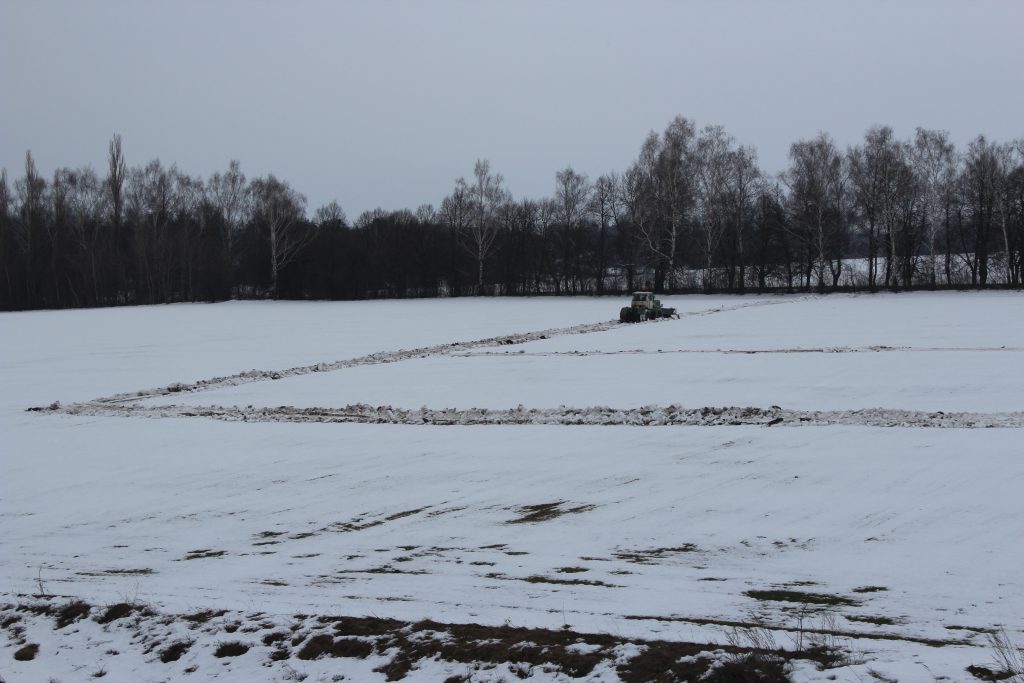
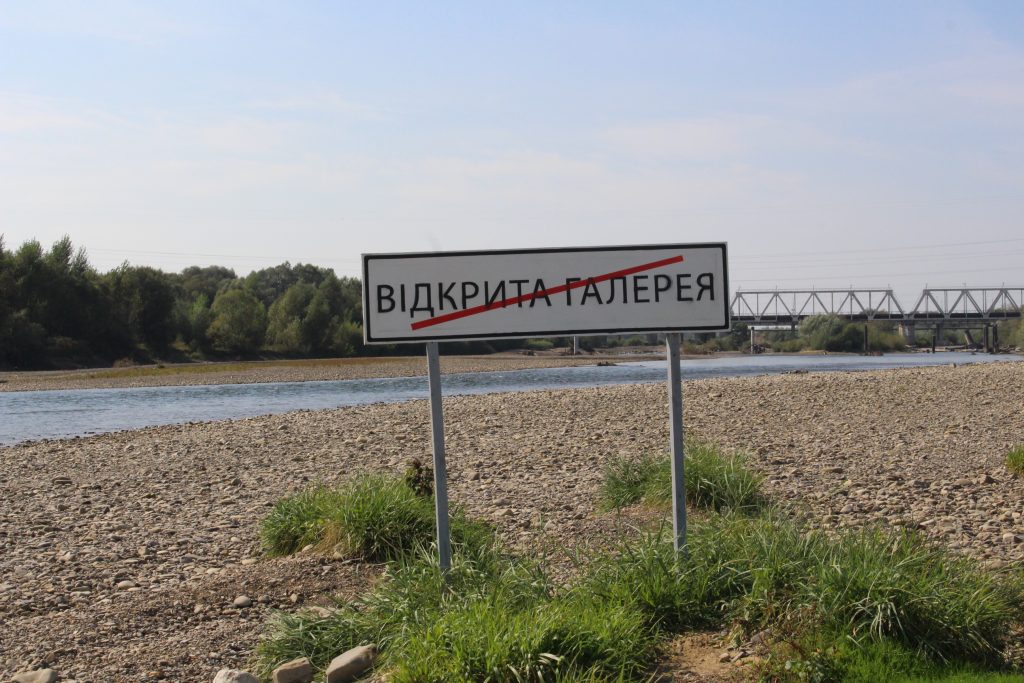
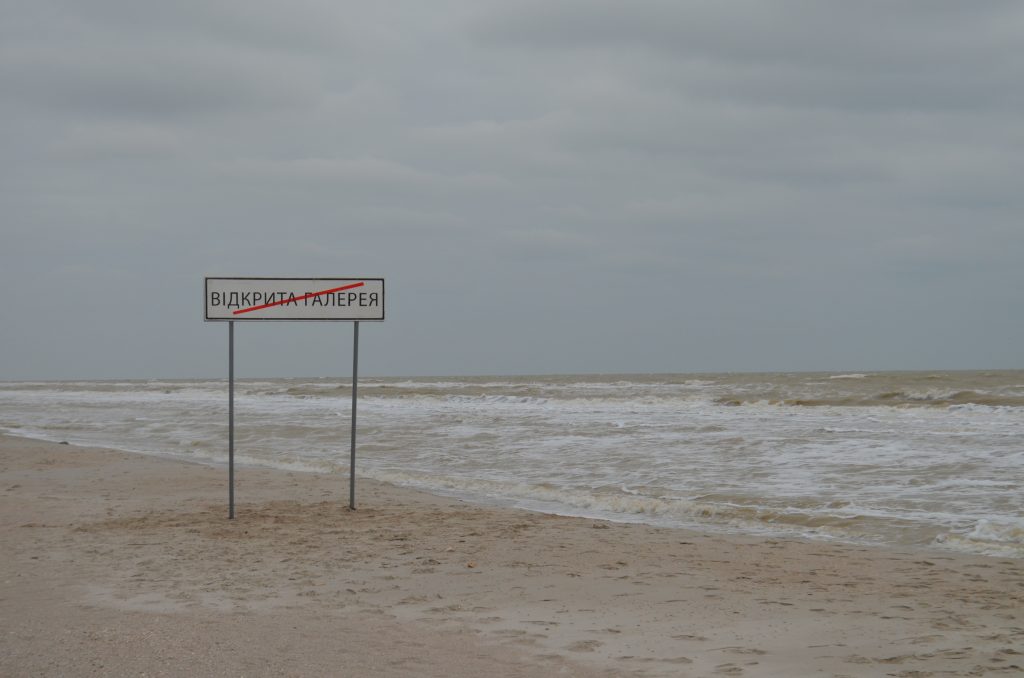
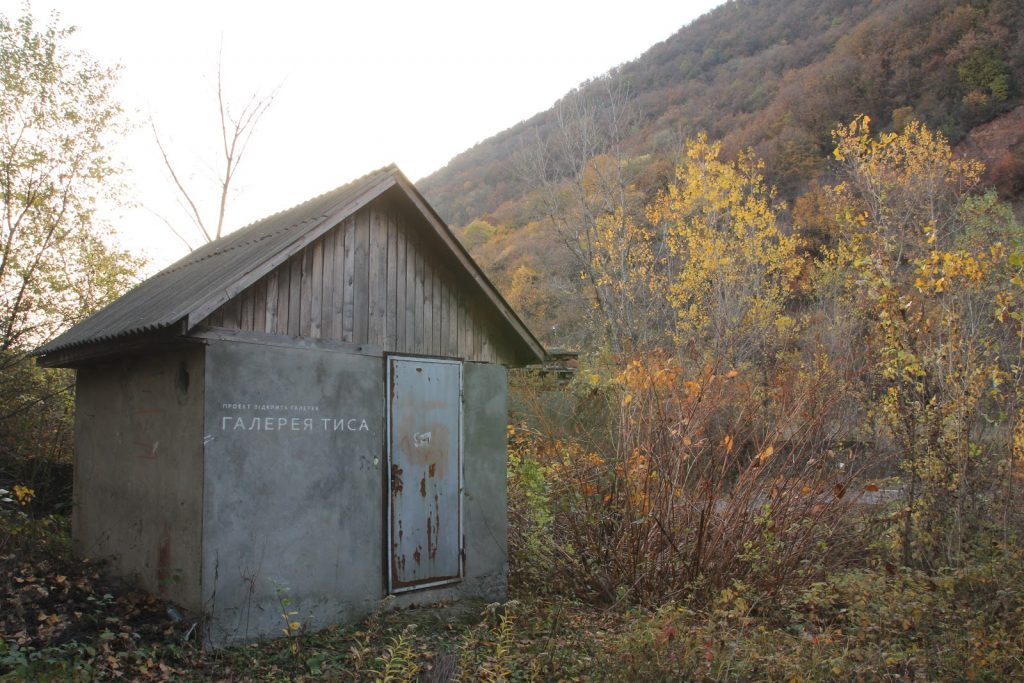
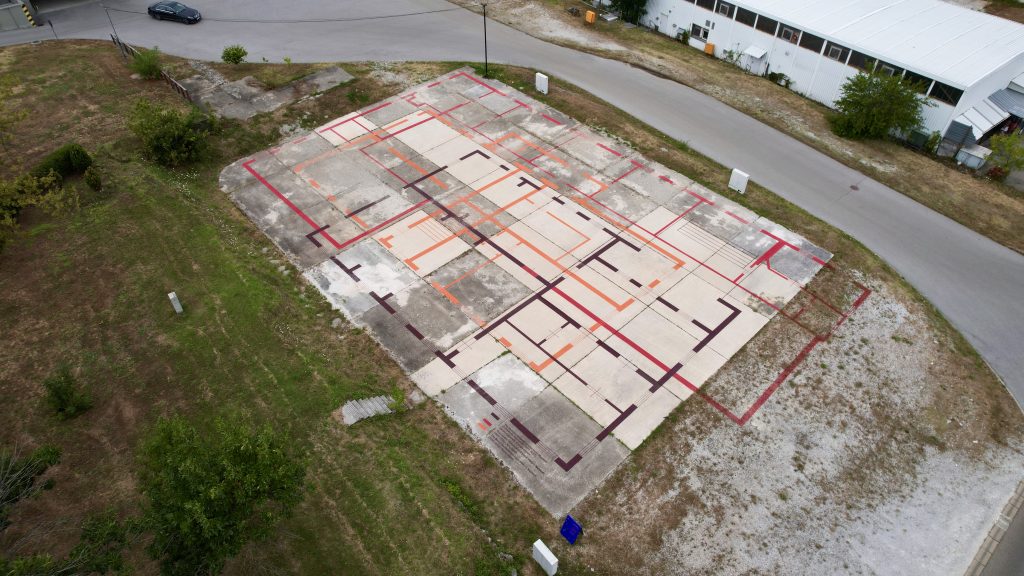
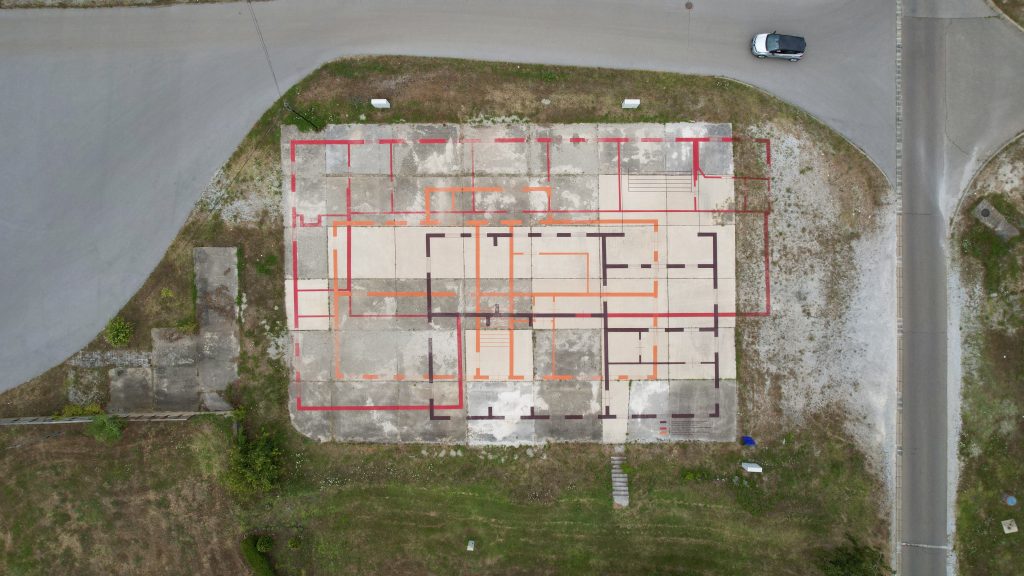
Open Group’s works are often extended projects with a set development and an open-ended finale, often taking the form of a term they coined themselves: “open situation”, experimental arrangements in which people and spaces meet, and meaning emerges through participation. For Open Group, art does not exist within a closed, institutional space; it is often created not by objects but by situations, staged encounters, and actions, and, as cartographers, they map the space of art in an alternative way, according to their own rules. Often, they begin with a single, simple gesture that, in the process, becomes an elaborate narrative—a story of community and memory—defining space through social presence. They often work with metaphors, seeking a physical form of expression or trying to visualize a state of endless uncertainty.
Collectivity was one of the methods that set the 2000s Ukrainian art scene apart, as a result of the Post-Socialist system and the absence of institutions and an art market. By placing the concept of “collective work” at the center of their practice, the artists create collaborative projects with people from diverse backgrounds, realized in specific contexts and at specific times. Community here is neither given nor stable; it reveals itself as a relationship that must be constantly negotiated.
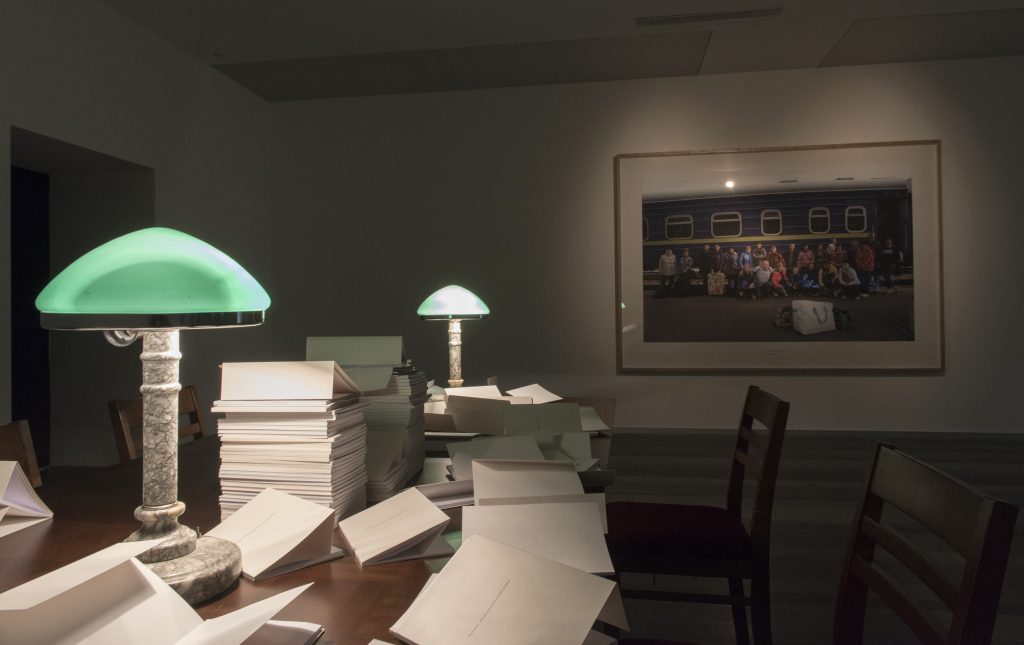
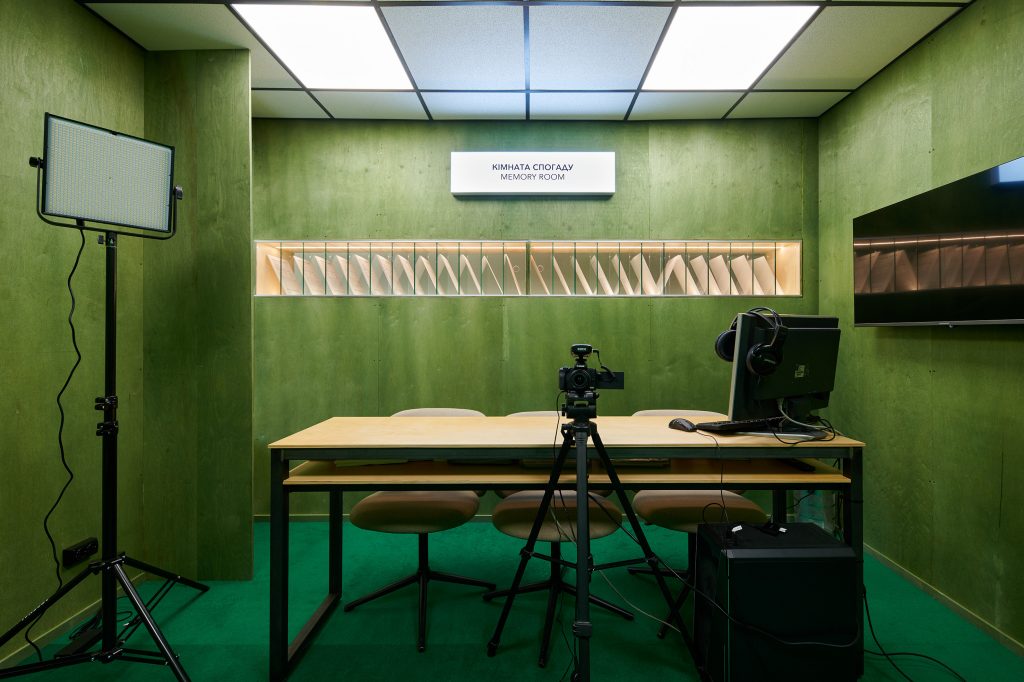
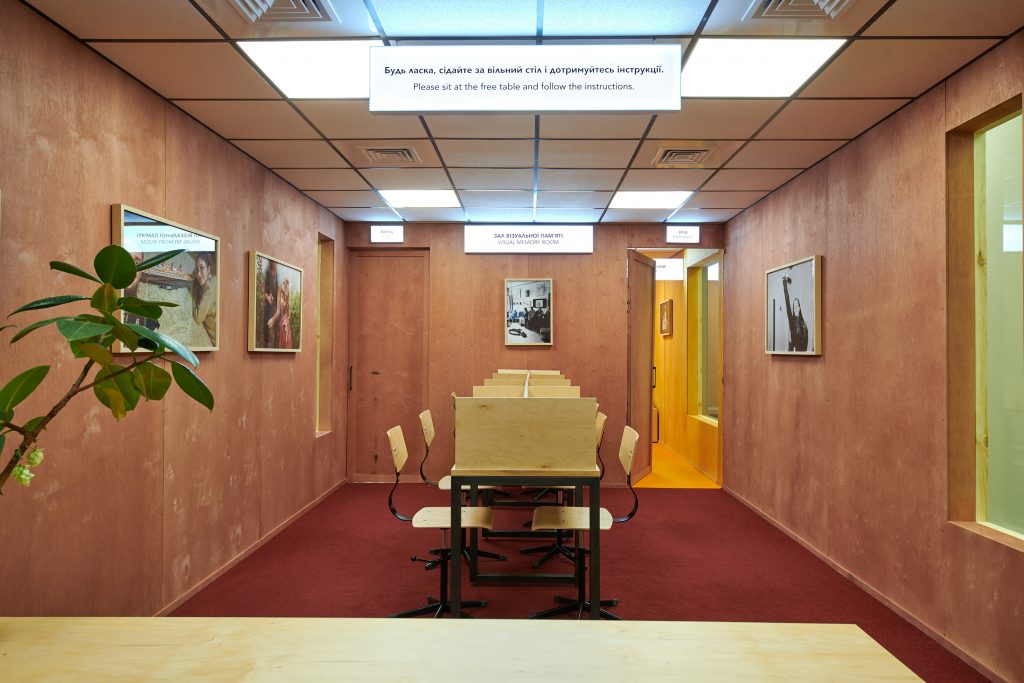
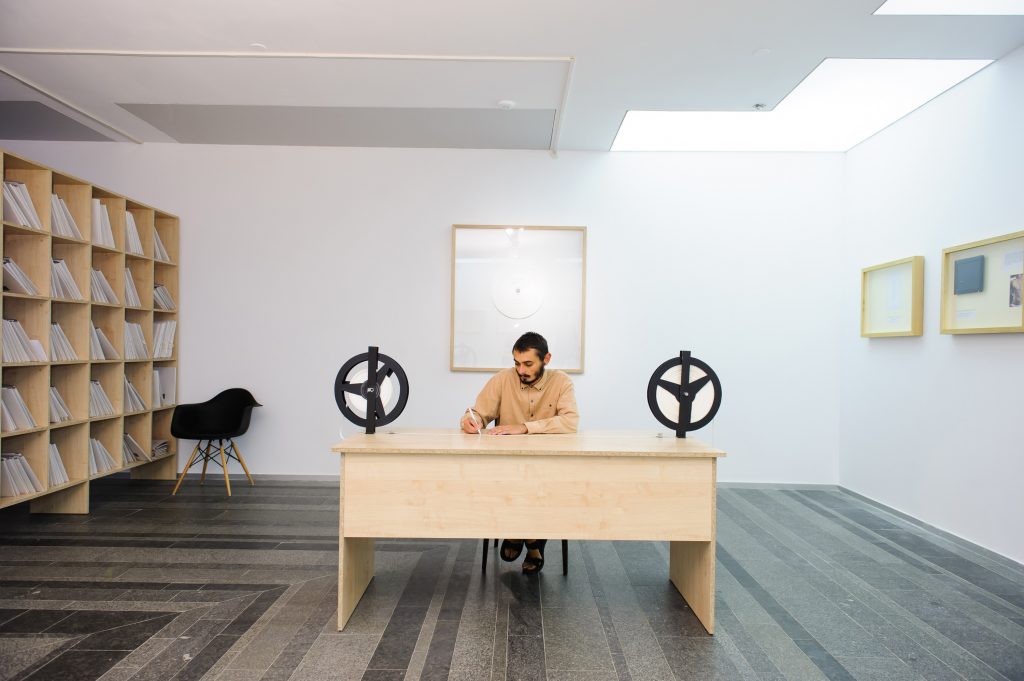
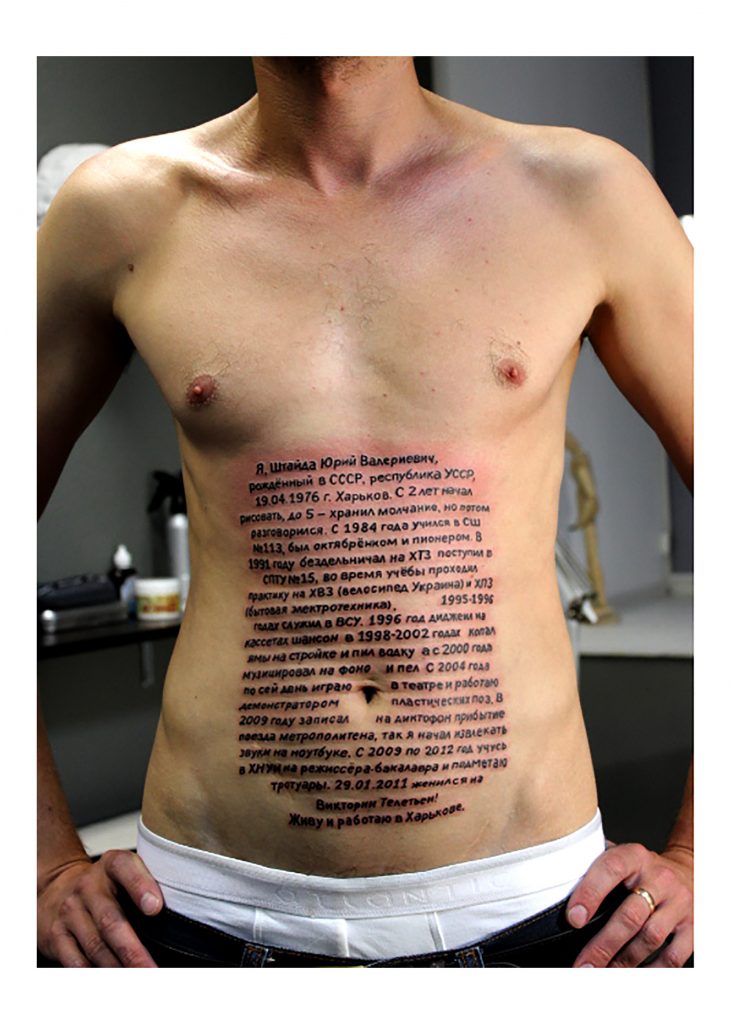
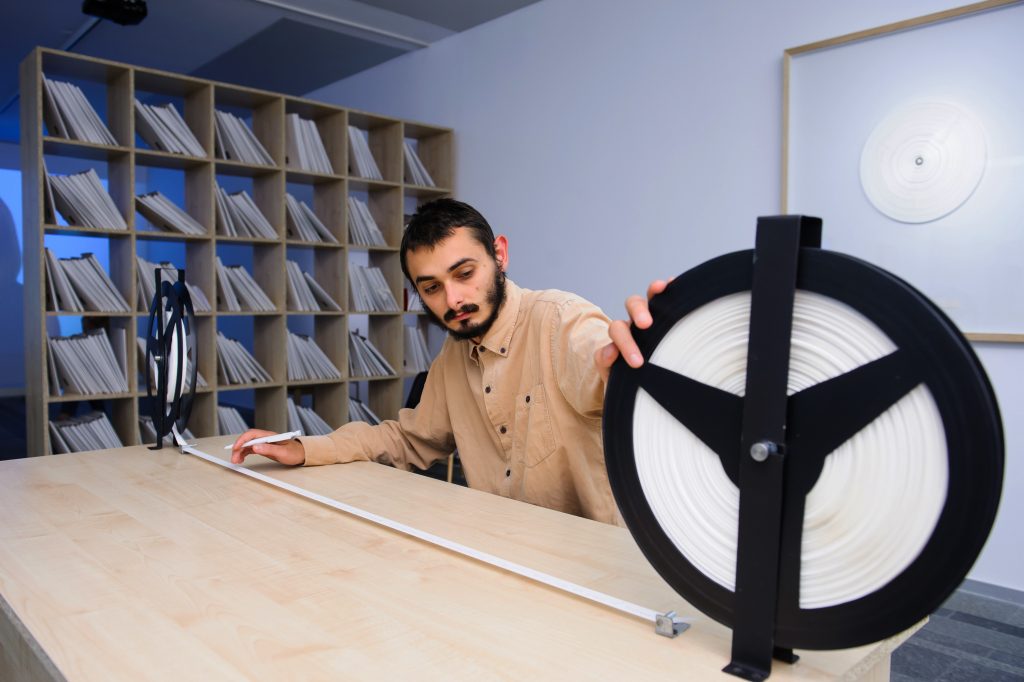
In many of Open Group’s projects, time plays a particularly important role. A project does not end with its first presentation but remains an ongoing process whose subsequent stages are recorded, repeated, transformed, or taken up by others. Many of the collective’s projects now take on a life of their own, primarily through documentation. Documentation is therefore not merely a record of an activity, but often becomes an integral part of it, a testament to presence, encounters, and what took place between people. The exhibition features works created since 2012, when the collective was founded. Projects from the early years of their activity, up to 2015, focused primarily on exploring various discourses concerning core paradigms of art, such as authorship, conditions of making and exhibiting art. Since 2015, their practice has expanded into a broader reflection on functioning during wartime. This theme gradually radicalized the artists’ perspective, shifting the focus from institutional issues toward questions of the experience of violence, memory, loss, and survival.
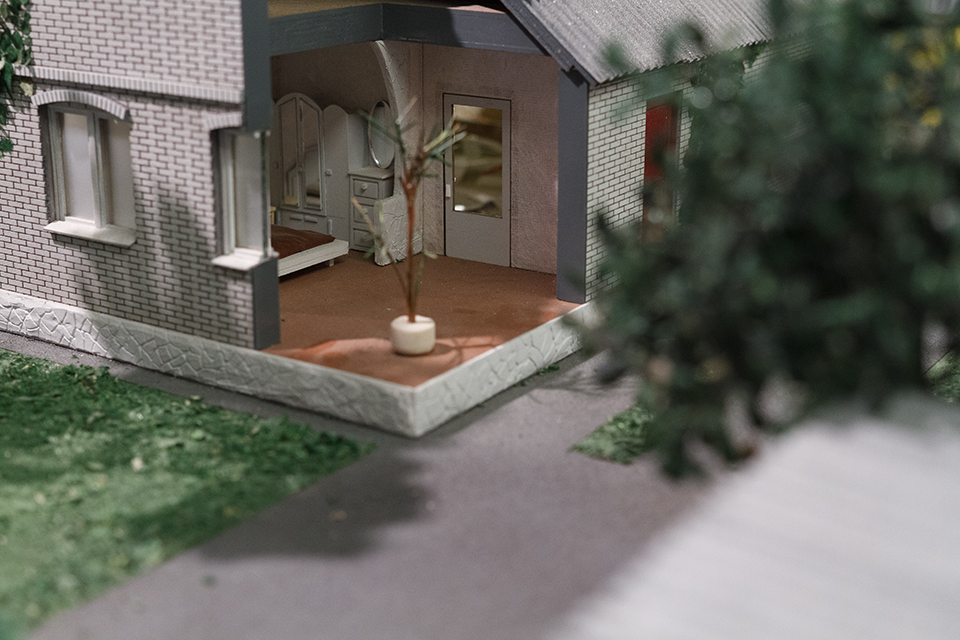
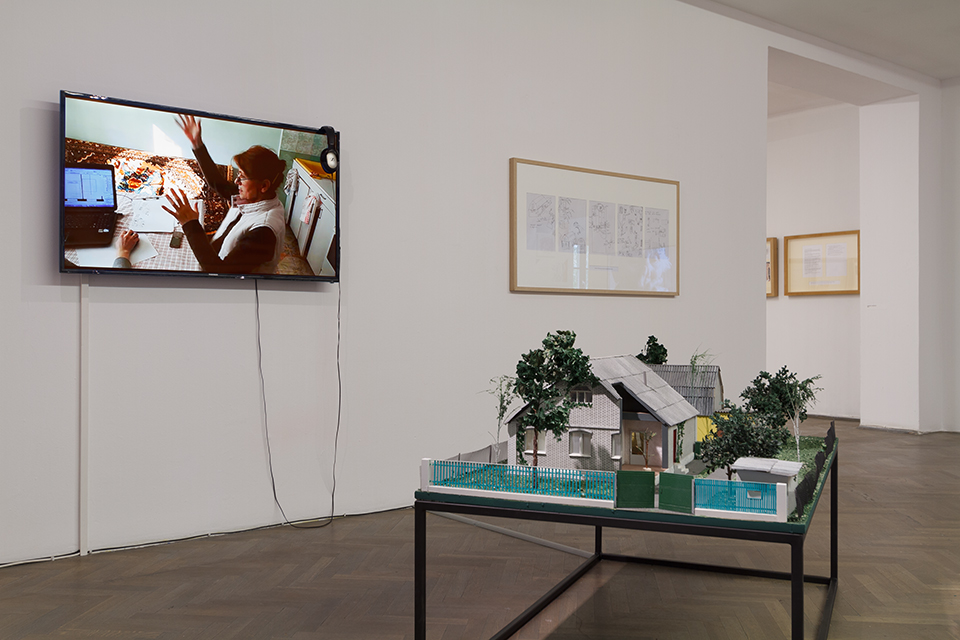
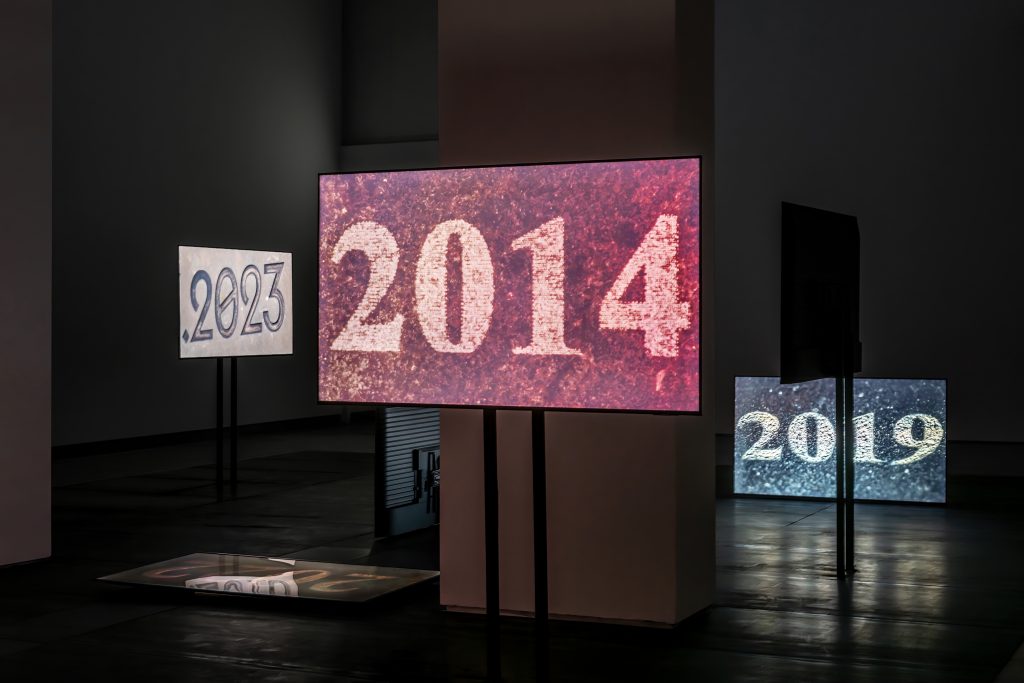
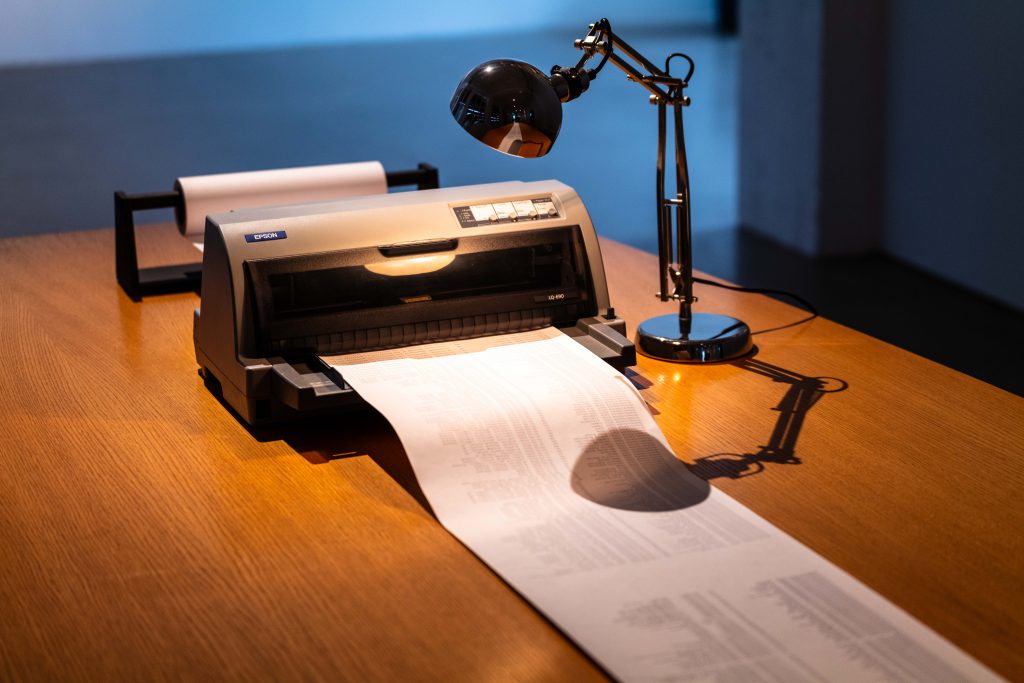
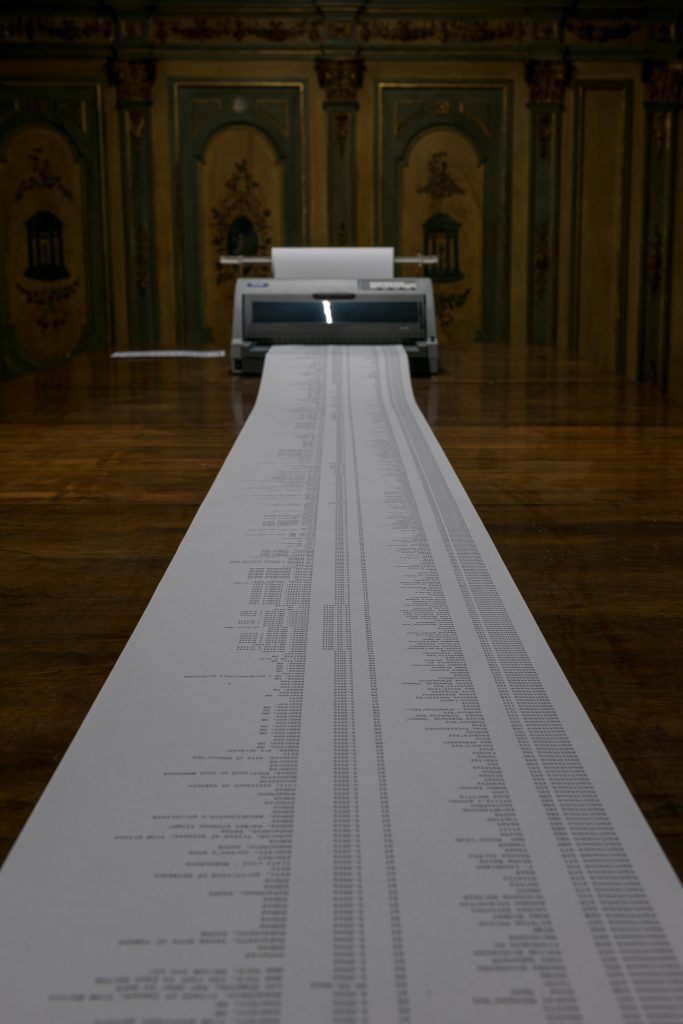
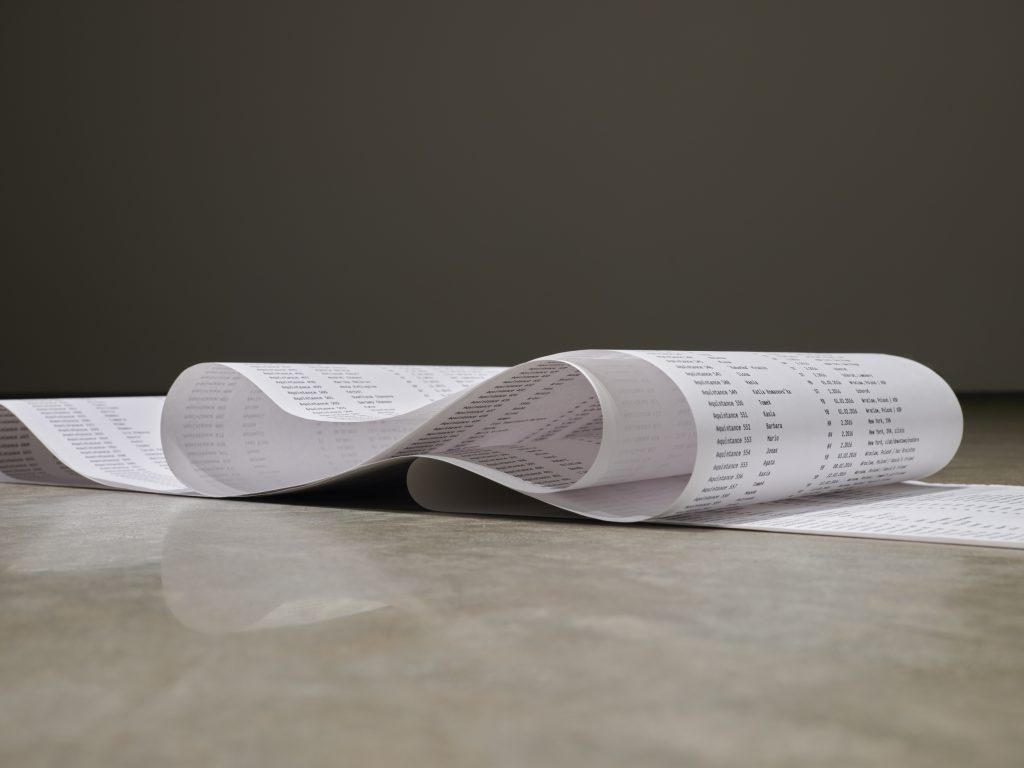
The “Rare Scraps” exhibition also refers to the selective and fragmentary nature of memory. Every event carries with it a memory that never fully reconstructs it. It remains a collection of traces, images, and material remnants. Over time, these too change and take on new meanings. Some experiences fade, while others become more vivid. Memory has an indefinite scope and often operates disproportionately to the original experiences. In the context of war, these fragments take on special significance: they can be anything that has survived from a given place, relationship, or moment of shared life.
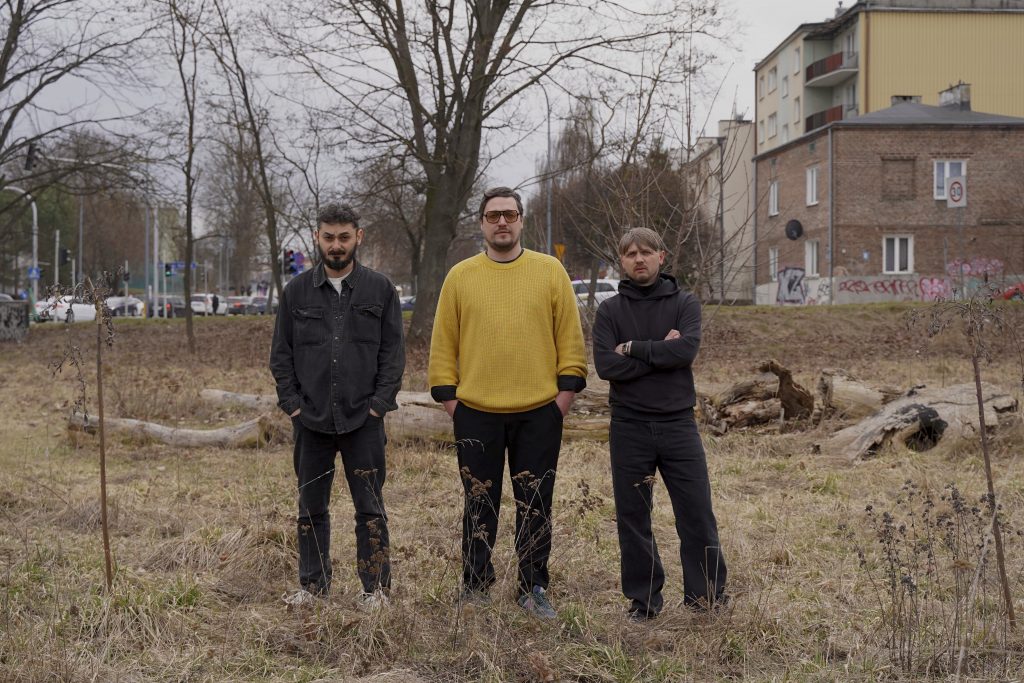
Open Group (Yuriy Biley, Pavlo Kovach, Anton Varga) was founded in 2012 in Lviv, Ukraine, by six Ukrainian artists. It currently consists of three members: Yuriy Biley, Pavlo Kovach, and Anton Varga. Placing the notion of “collective work” at the core of their practice, the group has operated through collaborative projects involving people from diverse fields over specific periods of time. Their works are often structured as what they term “open situations” ― experimental explorations of the interaction between people and particular spaces. As both visual artists and curators, the trio continues to investigate the dynamics of contemporary visual culture through an experimental lens. Their practice deeply engages with socio-political realities of the present, transforming the intersection of personal experience and pressing global issues into a variety of visual forms.
Open Group held solo exhibitions at institutions including The Living Art Museum, Reykjavik, Iceland (2026); High Line, New York, USA (2025); Zachęta — National Gallery of Art, Warsaw, Poland (2025); Serlachius, Mänttä, Finland (2025); 601artspace, New York, USA (2025; Аrsenal gallery, Białystok, Poland (2017); PinchukArtCentre, Kyiv, Ukraine (2014 and 2025). Their works were featured at the Ukrainian Pavilion at the 56th Venice Biennale 2015. In 2017, the group’s work was presented in frames of the Future Generation Art Prize@Venice 2017 (collateral events of the 57th Venice Biennale). In 2019, the Open Group was the curator of the Ukrainian Pavilion at the 58th La Biennale di Venezia. In 2024, the Open Group was representing Poland at the 60th Venice Biennale with the project “Repeat after me II”.
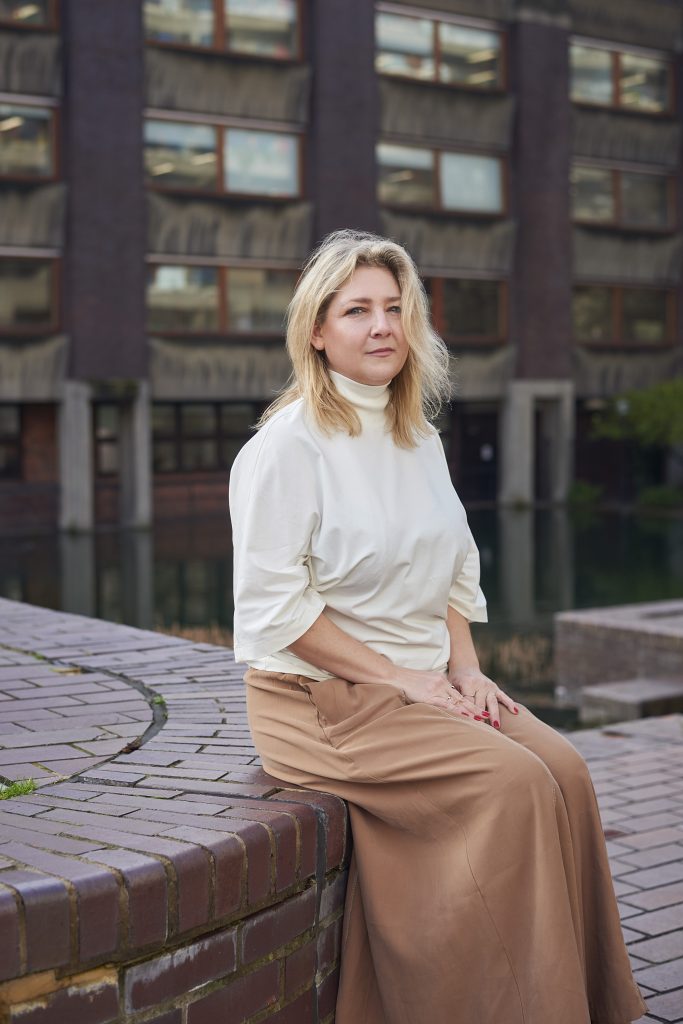
Marta Czyż (1982) Art historian, independent curator, critic. Curator of the Polish Pavilion at the 60th Venice Biennale in 2024.
Her research and curatorial practice is based on working with archives and analyzing current phenomena in contemporary art, with particular emphasis on their impact on cultural and social change. She is particularly interested in Ukrainian art after 2000, as well as contemporary ways of representing, understanding, and visually processing armed conflicts in relation to both current events and the experiences of the 20th century. She also reflects on curatorial practice in Poland, examining institutional changes, exhibition models, and the role of the curator in shaping the discourse of art. In her work, she seeks to understand how images, films, exhibitions, and other forms of visual communication shape our perceptions of past events and what is happening here and now. She is interested in how the way a given topic is presented, the choice of materials, the context of the exhibition, the visual language influences the meanings that viewers assign to specific social or political phenomena.
Member of AICA. Scholarship holder of the Minister of Culture. She received an award from Wysokie Obcasy magazine’s “50 śmiałych 2024” (50 Bold 2024) and, together with Open Group, won the O!Lśnienia award in 2025. Member of the Social Council of the Ministry of Culture and National Heritage.
Her exhibitions have been held at venues including the Pinchuk Art Center in Kyiv, 601 artspace in New York, the Center for Contemporary Art Ujazdowski Castle in Warsaw, Zachęta National Gallery of Art, Nguyen Wahed Gallery in London, Kunsthalle zu Kiel (Germany), Jerke Museum Recklinghausen (Germany), Living Art Museum in Reykjavik, Salon Akademii in Warsaw, BWA Zielona Góra (Poland), MOS Gorzów (Poland), the National Museum in Szczecin, Krupa Art Foundation in Wrocław, the Jan Tarasin Gallery in Kalisz (Poland), BWA Katowice (Poland), the Polish Cultural Institute in Vienna, and BWA Wrocław (Poland). In 2020, she curated the 10th Konteksty Festival of Ephemeral Arts in Sokołowsko and the 9th Triennial of Young Artists at the Center of Polish Sculpture in Orońsko. In 2022, together with Yuriy Biley, she organized the exhibition Towarzystwo Zniechęcenia (The Society of Discouragement) at the History Meeting House in Warsaw. In 2024, she was appointed for a three-year term as artistic director of the Konteksty Festival of Ephemeral Arts in Sokołowsko. In 2026 she curated the Konteksty Festival together with Dzekashu MacViban (HKW, Berlin).
She regularly publishes in the art and opinion-forming press (Dwutygodnik, Vogue Polska, Polityka, miejmiejsce, Wysokie Obcasy, Camera Austria, Follow.art). In 2015, she published (together with Julia Wielgus) the book “W ramach wystawy – rozmowy z kuratorami” (“As part of the exhibition – conversations with curators”). She was a part of RAD Curatorial, part of IASPIS program and guest of the Talk series hosted by Icelandic Art Center. She is a member of the public advisory board of the Ministry of Culture and National Heritage.
This program is supported by the Polish Cultural Institute New York.