
What does Poland look like, sound like and feel like to a school student in Delhi? Through Polska in the Classroom, the Polish Institute is bringing Polish culture, language and everyday life directly into schools, giving students an opportunity to discover Poland through interactive presentations, films, creative activities and conversation.
The programme is designed to introduce young audiences to Poland in an accessible and engaging way, while creating opportunities to explore the connections between Polish and Indian culture.
Recent workshops on 18th September at Government Girls Senior Secondary School, Harkesh Nagar, Okhla, and Delhi International School Edge, Dwarka, offered two different perspectives on how Poland can be introduced in the classroom.
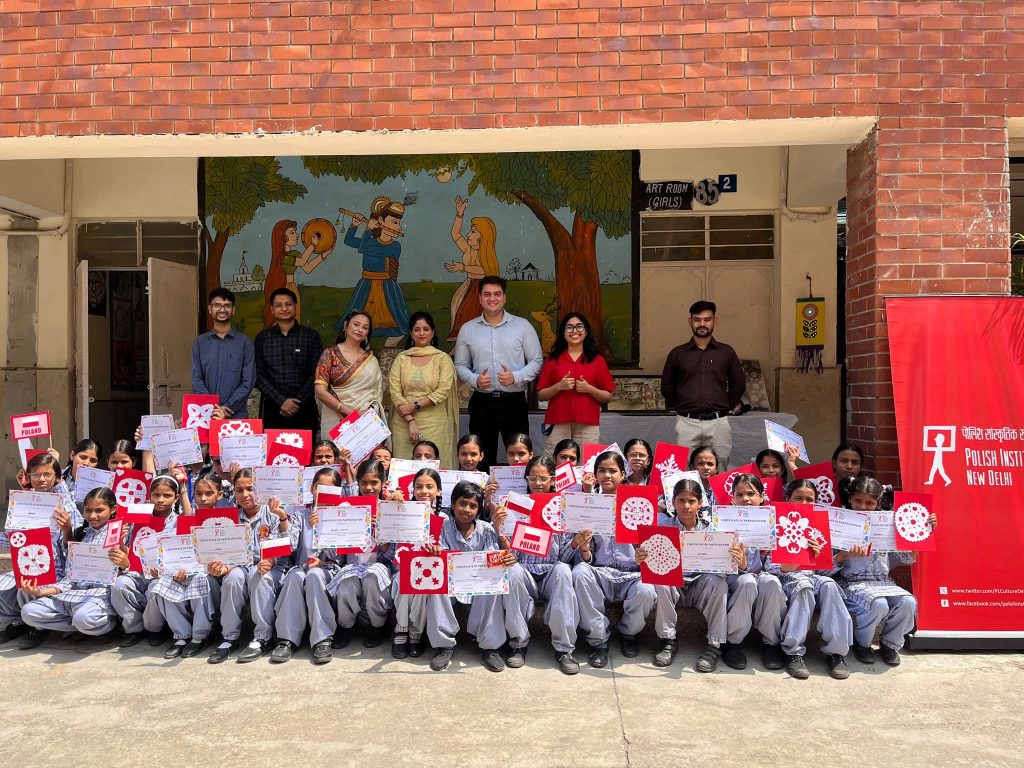
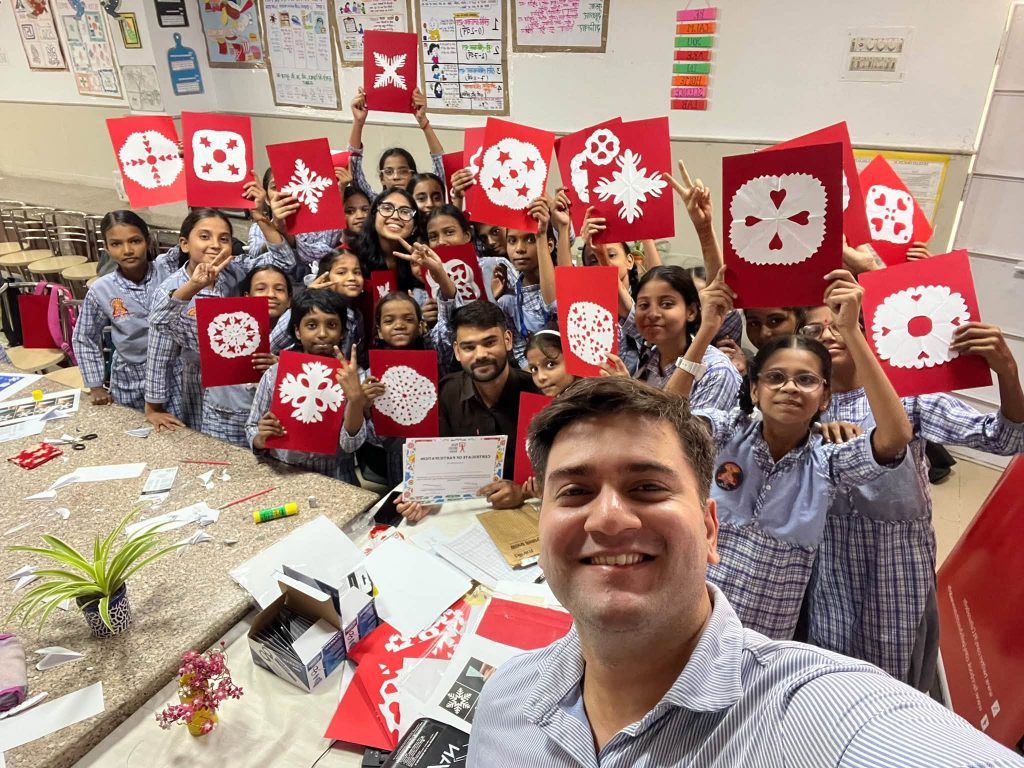
At Government Girls Senior Secondary School, students began by exploring Poland’s cities, landmarks and everyday life. They also learned some of their first Polish words, including Dzień dobry and Dziękuję. The session then moved from presentation to practice with wycinanki, the traditional Polish art of paper-cutting.
Students created their own designs, discovering a Polish folk tradition through a hands-on activity. The exercise turned a cultural concept into something tangible that students could make and take away with them.
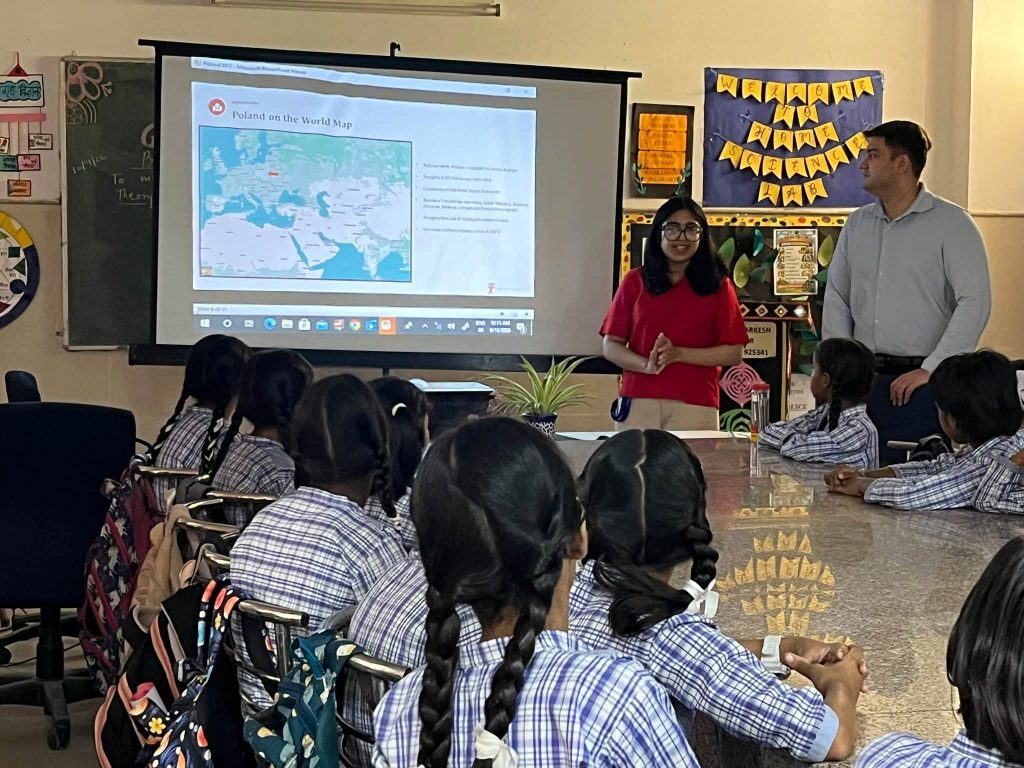
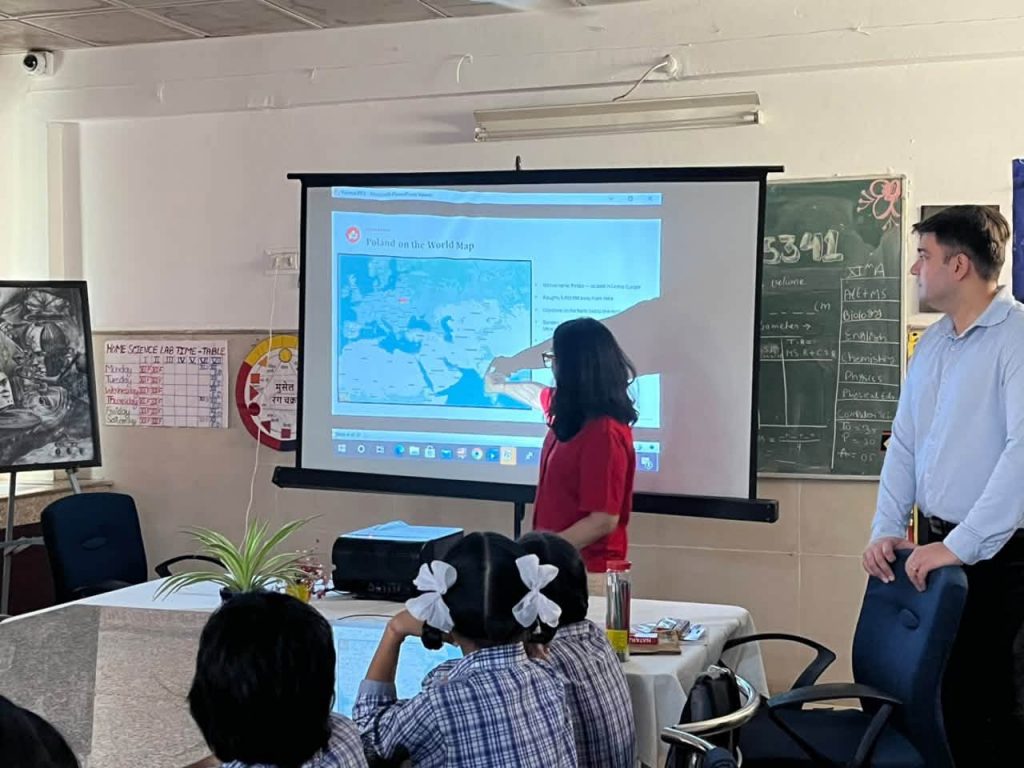
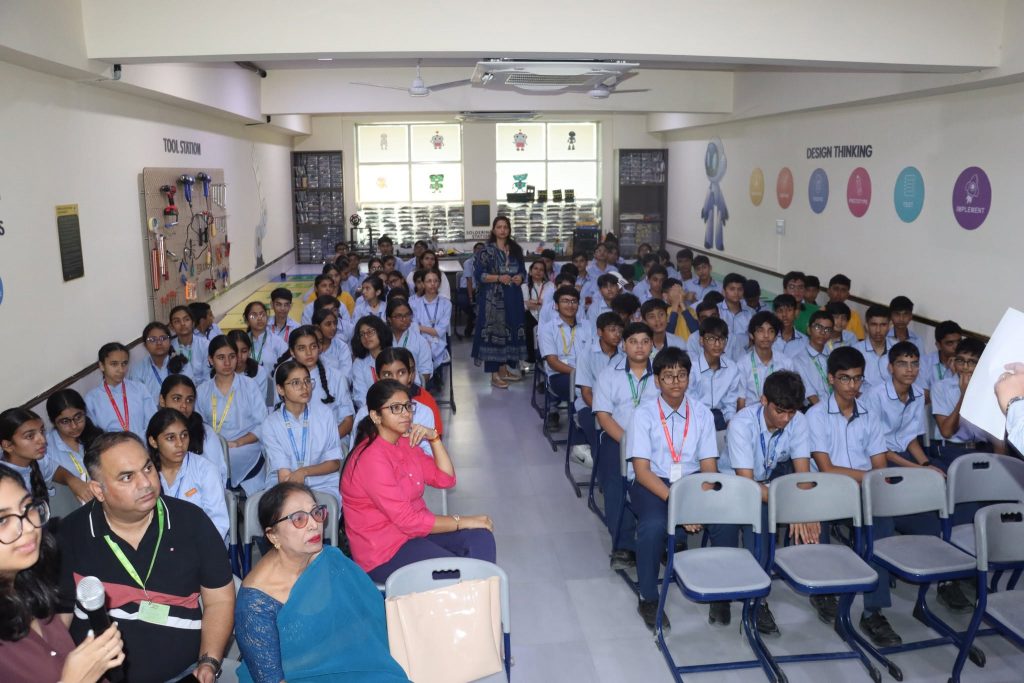
At Delhi International School Edge in Dwarka, students took part in Odkryj Polskę – Discover Poland, a workshop organised on 30th September under the Polska in the Classroom programme in cooperation with Smile Foundation.
The session introduced students to Poland through its major cities, language, culture and history, as well as its Nobel Prize winners, literary figures and other cultural icons. Two short films and an interactive quiz encouraged students to engage with the material, while references to similarities between Polish and Indian traditions highlighted connections between the two cultures.
Language was another important part of the experience. Students eagerly tried out their first Polish expressions, while the combination of films, questions and activities kept the sessions interactive and encouraged them to look at Poland from perspectives beyond the familiar image of a country on a map.
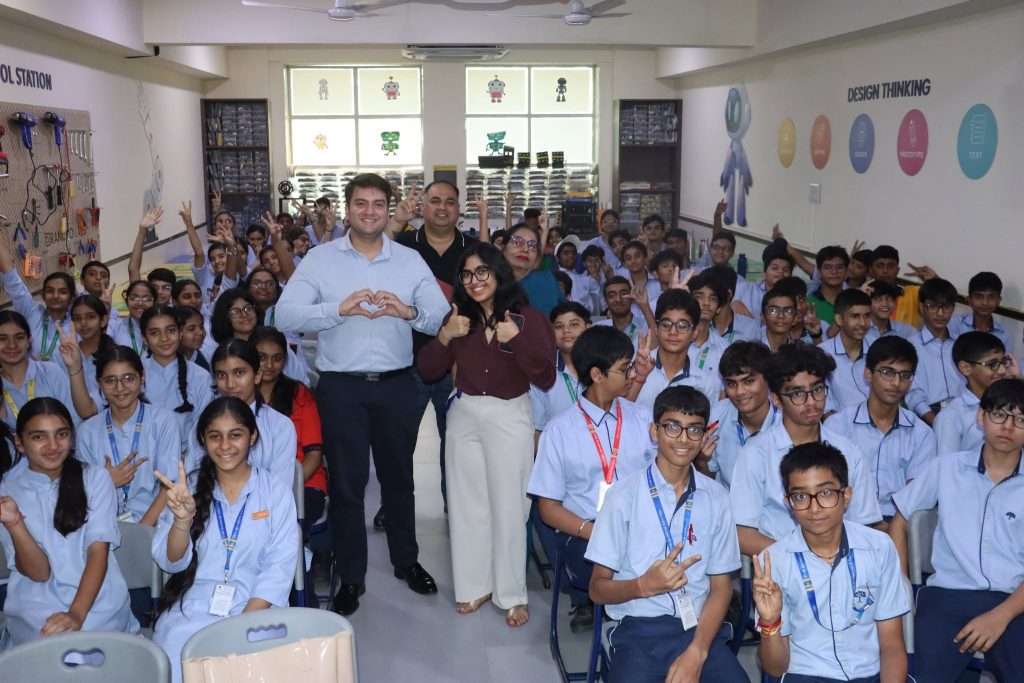
The workshops demonstrate how cultural exchange can begin with simple encounters — a new word, a shared tradition or a creative activity — and develop into a deeper curiosity about another country. Polska in the Classroom aims to create precisely these encounters, bringing Poland closer to young people in India and making cultural exchange accessible, meaningful and relevant to a new generation.
With further school visits planned, the Polska in the Classroom programme will continue bringing Polish culture and language into classrooms across Delhi, creating new opportunities for curiosity, dialogue and connection between young people in India and Poland.