

Friday, April 3 — Sunday, May 3, 2026
Metrograph
7 Ludlow St, New York, NY 10002

News of the death of Krzysztof Kieślowski in 1996 at only 54 years of age came only a scant few years after the filmmaker had been discovered by audiences and championed by critics far afield of his native Poland, where he’d first distinguished himself in the early 1970s with a series of films in which elements of documentary and fiction filmmaking freely intermingled. At odds with his homeland’s repressive communist regime up to its final dissolution, Kieślowski seemed poised to emerge as an equally trenchant critic of the capitalist free-for-all that followed—certainly White, an entry in his celebrated Three Colors trilogy, a contemplation of the emerging united Europe, suggests as much—but what he did manage to accomplish in the three decades of his working life is more than enough to assure him a place among the towering figures of late 20th-century European cinema. Demotic but never pandering, drawn like a moth to flame towards the impossible ethical dilemma—most notably in his 10-episode chef d’oeuvre, Dekalog—and committed to seeing the contemporary world with total lucidity, Kieślowski’s absence has been dearly felt these last 30 years, though through his films he will never really leave us.
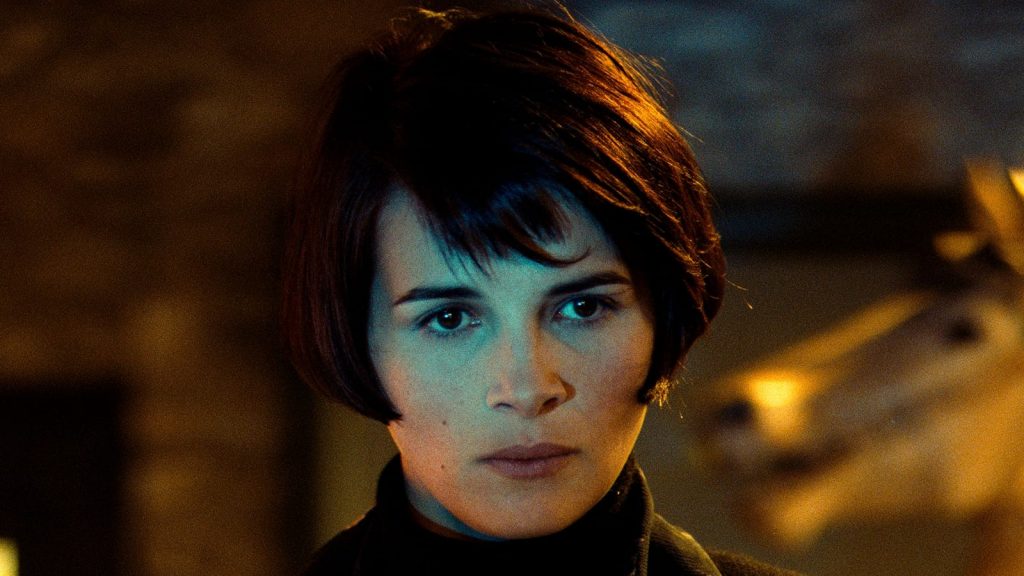
Three Colors: Blue
Krzysztof Kieślowski / 1993 / 94min / DCP
Friday, April 3 at 6:25 PM
Saturday, April 4 at 4:30 PM
Thursday, April 9 at 4:20 PM
The first entry in Kieślowski’s “Three Colors” trilogy is a film as somber as its name implies, a cool, cobalt-shaded study in loss and abjection starring Juliette Binoche (who won a Best Actress prize at Cannes for her stinging, stricken performance) as a recent widow who has shut herself off from life in response to her still-raw emotional devastation, only to be pulled back towards the perils of fellow-feeling by a former lover and a budding friendship with a neighbor.
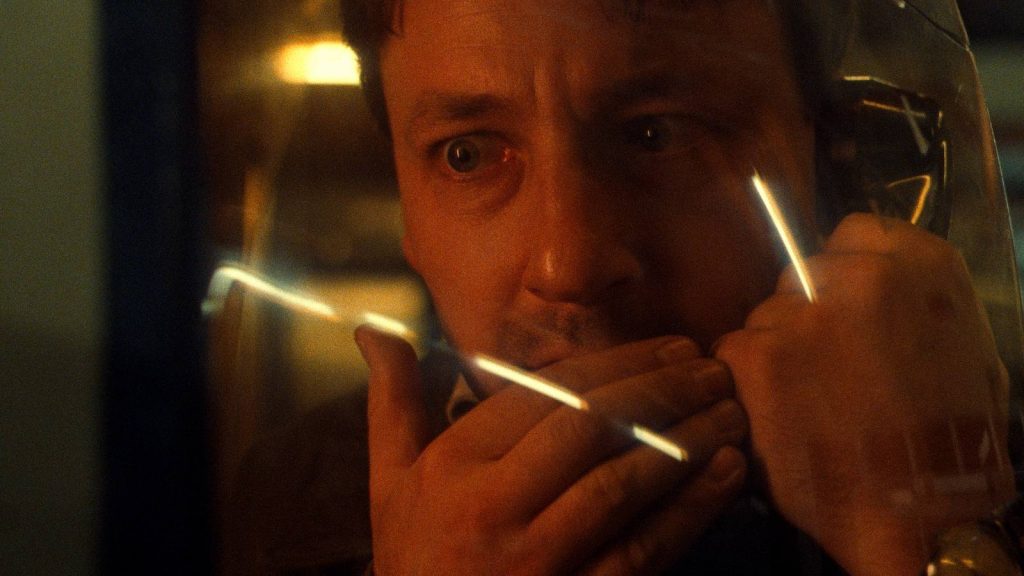
Three Colors: White
Krzysztof Kieślowski / 1994 / 92min / DCP
Friday, April 3 at 8:30 PM
Saturday, April 4 at 6:30 PM
Thursday, April 9 at 6:15 PM
Literally and figuratively the lightest of Kieslowski’s “Three Colors” trilogy, White stars Zbigniew Zamachowski as a Polish immigrant in Paris, who hires a fellow expatriate to smuggle him back home to his native Warsaw after French wife Julie Delpy divorces him and frames him up for the incineration of his own hair salon. A wicked comedy about Eastern and Western Europe, men and women, sex and love, affection and acrimony… and also an incisive allegorical commentary on the galloping corruption of a post-communist Poland still struggling to find its foothold in the European Union.

Three Colors: Red
Krzysztof Kieślowski / 1994 / 99min / DCP
Saturday, April 4 at 8:30 PM
Sunday, April 5 at 9:40 PM
The final installment in Kieślowki’s trilogy and indeed his final feature, a magisterial exploration of the operations of chance and fate that earned Kieślowski an Academy Award nomination for Best Director, stars the luminous Irène Jacob as a University of Geneva student and sometimes runway model whose chance encounter with a misanthropic retired judge (Jean-Louis Trintignant), now devoting his idle hours to eavesdropping on his neighbors, is the first of a series of unexpected encounters and connections that brings the triptych full circle.
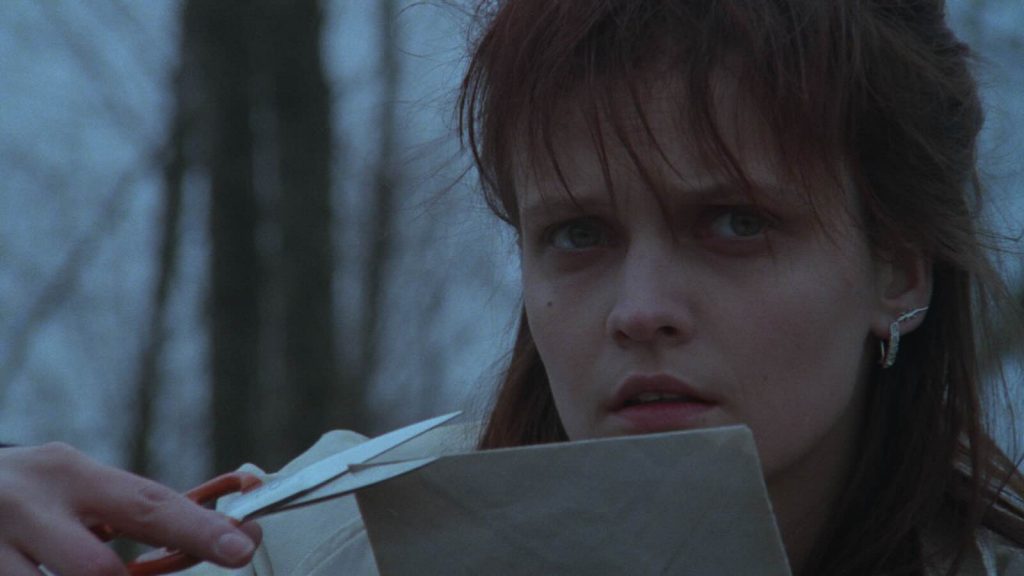
Dekalog: Episodes 1-4
Krzysztof Kieślowski / 2026 / 228min / DCP
Sunday, April 12 at 1:10 PM
Introduction by Annette Insdorf, Columbia University Film Professor and author of “Double Lives, Second Chances: The Cinema of Krzysztof Kieślowski.”
The first four episodes of Kieślowski and co-writer Krzysztof Piesiewicz’s serial masterwork. Each episode inspired by one of the Ten Commandments, focused on a resident or residents of a single late-Communist era housing complex, and exploring the difficulties that arise in following ancient proscriptions in a complex contemporary world.
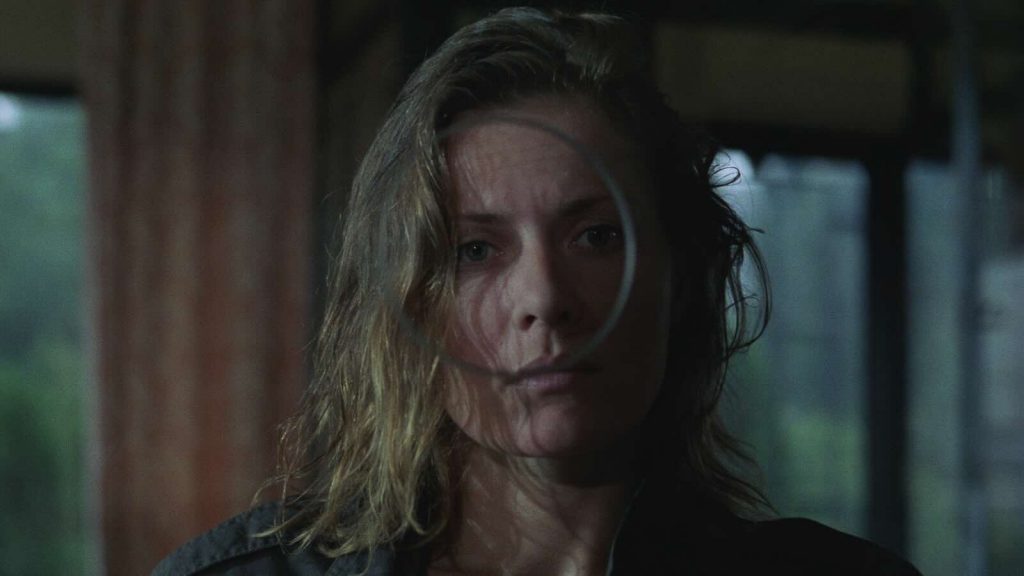
Dekalog: Episodes 5-7
Krzysztof Kieślowski / 1990 / 176min / DCP
Sunday, April 12 at 5:30 PM
The fifth and sixth episodes—titled, respectively, Thou Shall Not Kill, later expanded on in Kieślowski’s A Short Film About Killing, and Thou Shall Not Commit Adultery, expanded as A Short Film About Love—are perhaps the most celebrated entries in the Dekalog. No less compelling, and ethically knotty, however, is the seventh chapter, Thou Shalt Not Steal, in which the disputed “property” in question is a six-year-old girl caught in a tug-of-war custody battle between her grandmother and mother, which soon crosses over the line of legality.
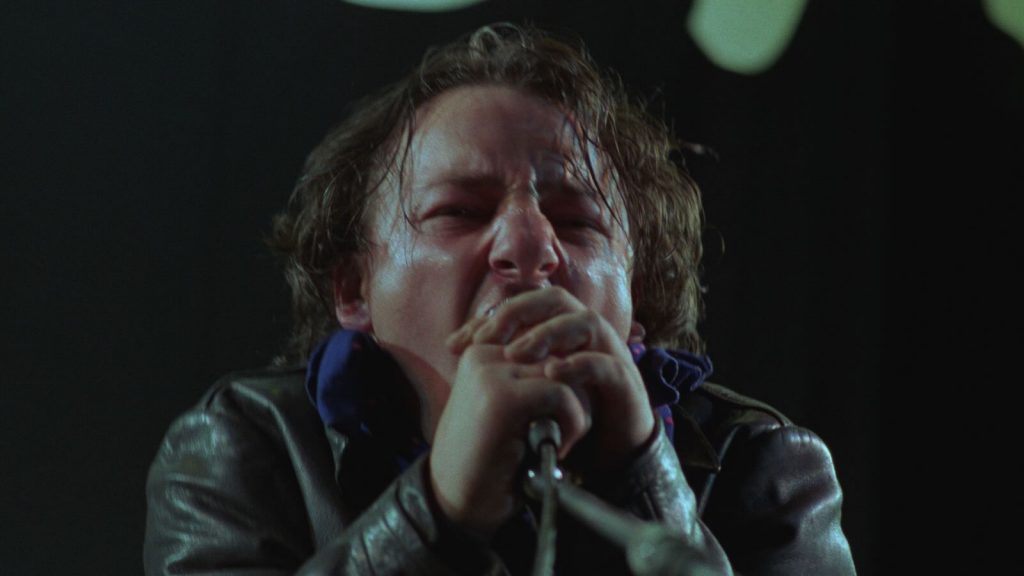
Dekalog: Episodes 8-10
Krzysztof Kieślowski / 1990 / 175min / DCP
Sunday, April 12 at 9:00 PM
Monumental serial counts down the remaining Commandments with episodes Thou Shalt Not Bear False Witness, Thou Shalt Not Covet Thy Neighbor’s Wife, and Thou Shalt Not Covet Thy Neighbors Goods. In the first story, an ethics professor reflects on the unexpected consequences of failing to help a Jewish girl during the war. In the tragicomic …Covet Thy Neighbor’s Wife, an impotent middle-aged man urges his wife to take a lover and bitterly regrets it. In the final chapter, two sons inherit their late father’s valuable stamp collection and become dangerously obsessed with it. Together they form the capstone to one of cinema’s most majestic works, despite its television origins.
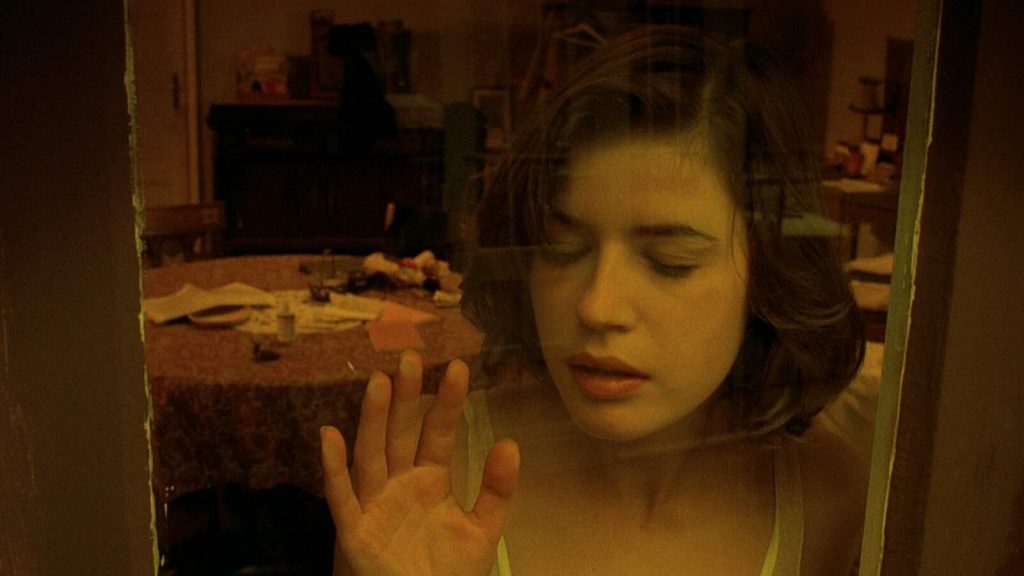
The Double Life of Veronique
Krzysztof Kieślowski / 1991 / 98min / 4K DCP
Friday, April 17 at 4:15 PM
Saturday, April 18 at 7:50 PM
Saturday, April 25 at 7:45 PM
Introduction by Richard Peña, Professor Emeritus, Columbia University, and Director Emeritus, NYFF
The film that introduced Kieślowski to an international audience, metaphysical mystery The Double Life of Véronique features Irène Jacob in a double role, playing Weronika, a soprano in a Polish choir, and Véronique, a French music teacher. The two doppelgangers meet only once yet share a deep synchronicity.
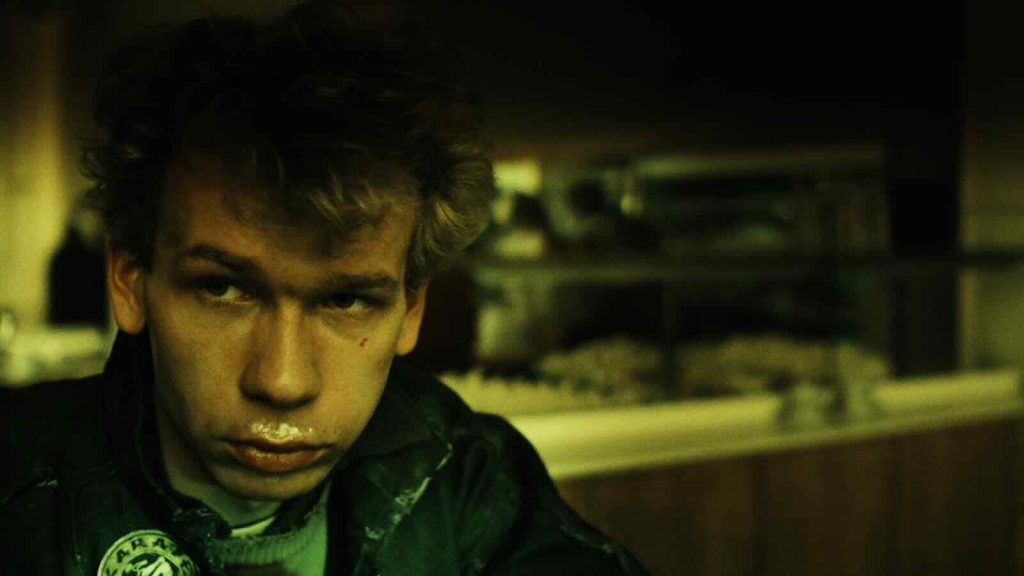
A Short Film About Killing
Krzysztof Kieślowski / 1988 / 85min / DCP
Friday, April 17 at 9:10 PM
A Short Film About Killing stars Mirosław Baka as Jacek, an antisocial and quite possibly psychotic drifter newly arrived in Warsaw whose taste for wanton cruelty finds expression in the brutal and senseless murder of a middle-aged taxicab driver, and puts Jacek on a trajectory towards death row. Released as a spirited public debate concerning capital punishment was ongoing in Poland, Kieślowski’s hard-to-shake film, unsparing in its depiction of violence, is a full-throated indictment of state-sponsored murder.
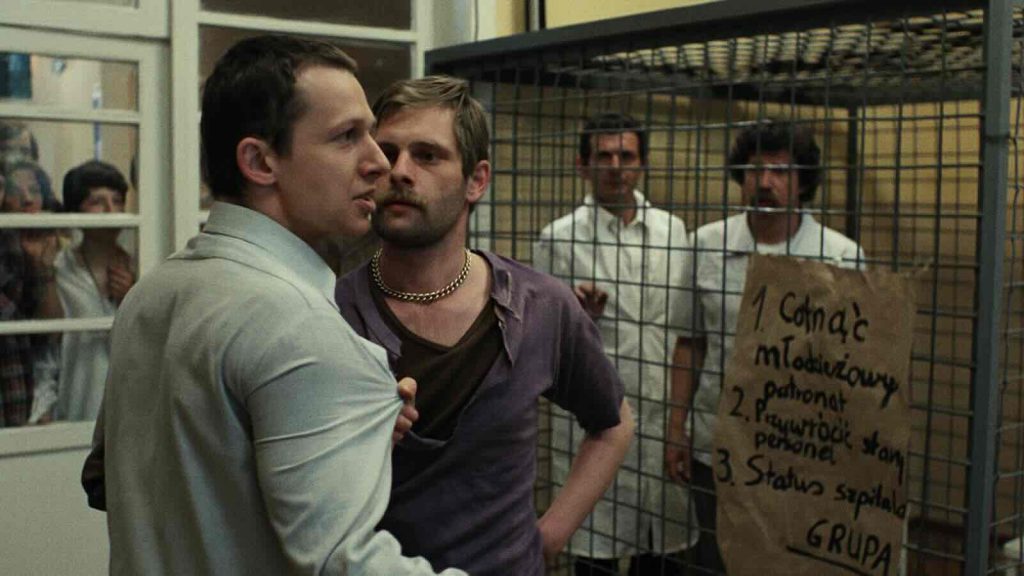
Blind Chance
Krzysztof Kieślowski / 1987 / 114min / DCP
Saturday, April 18 at 12:00 PM
Uncertain as to where his future lies after his father’s death robs him of his sense of vocation, medical student Witek (Bogusław Linda) impulsively decides to catch a train to Warsaw. Kieślowski’s triptych film shows three possible outcomes branching off from this pivotal moment, with our protagonist alternately joining the Communist Party, joining the anti-Communist resistance, or resuming his studies with renewed vigor, and facing further adversities in every case. Suppressed by Polish authorities on its completion in 1981, Blind Chance would only surface six years later, in a compromised form, in the Un Certain Regard section of the Cannes Film Festival.

Documentary Shorts by Krzysztof Kieslowski
Krzysztof Kieślowski / 1979 / 87min / DCP
Sunday, April 19 at 12:15 PM
A program of Kieślowski’s short nonfiction films, where the same dedication as found in his fiction work. Includes The Office, an early study in bureaucratic torment produced while the director was still at Łódź Film School; I Was a Soldier, a platform for blind veterans to recall their experiences and recount their dreams; From a Night Porter’s Point of View, a 17-minute interview with a highly opinionated minor security functionary who revels in the small portion of authority he enjoys; Hospital, an immersion into 24 hours in the life in an overcrowded and underfunded Warsaw emergency room; Talking Heads, in which 79 interviewees from various walks of life and of all ages answer same questions; and Railway Station, trying to photograph ‘lost’ people” at the Warsaw Central Railway Station.
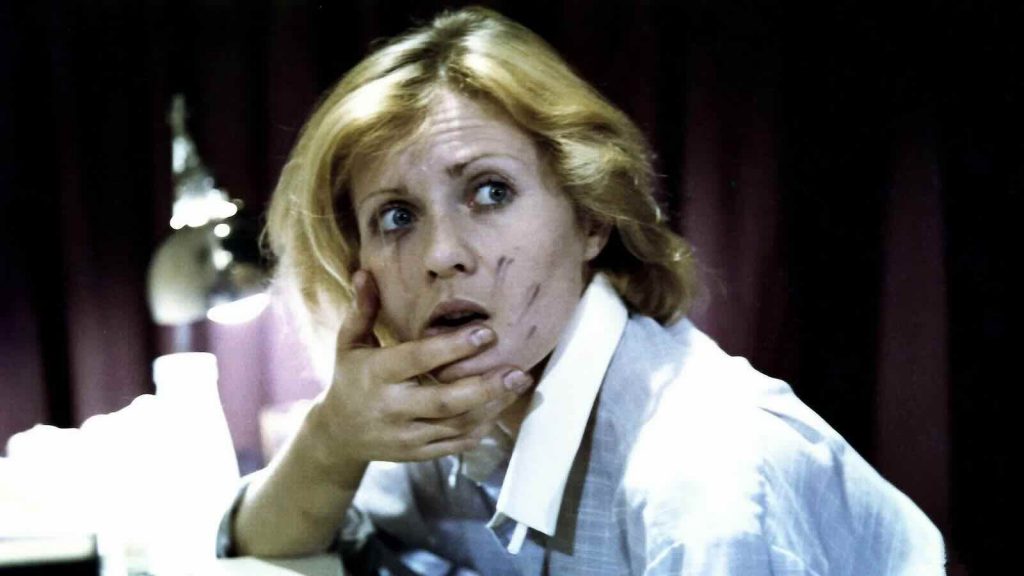
No End
Krzysztof Kieślowski / 1985 / 107min / Digital
Sunday, April 19 at 2:15 PM
Introduction by Rafał Syska, film historian, Professor at Jagiellonian University in Kraków, museum curator and former Director of the National Centre for Film Culture in Łódź.
Kieślowski’s first collaboration with both composer Zbigniew Preisner and co-screenwriter Krzysztof Piesiewicz was made in the immediate aftermath of the repression of Lech Wałęsa’s Solidarity trade union via martial law in 1981. A keeningly sorrowful work, perhaps Kieślowski’s most overtly political film, No End was subject on its release to attacks from the Communist authorities, the Catholic church, and Solidarity representatives.
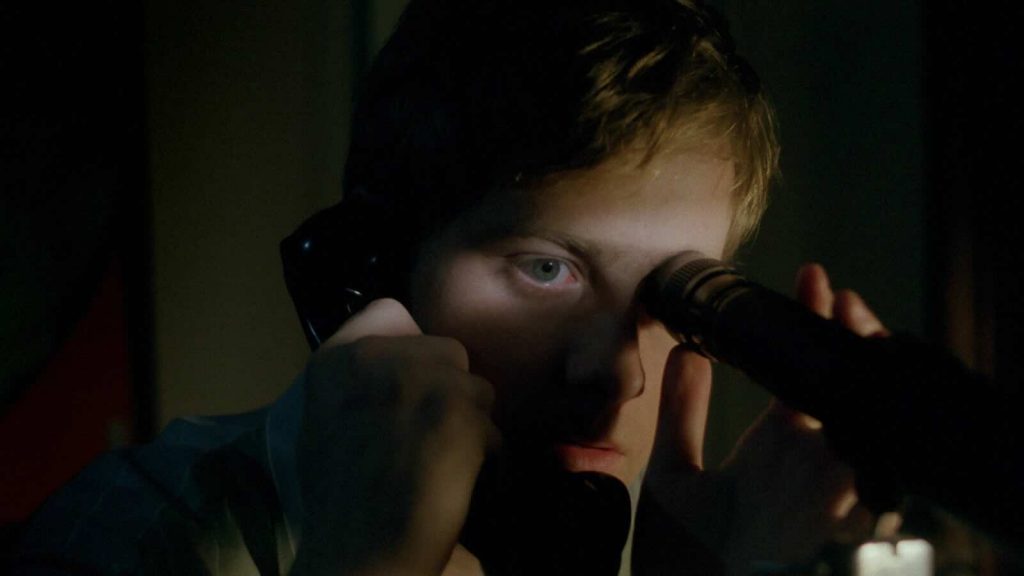
A Short Film About Love
Krzysztof Kieślowski / 1988 / 87min / DCP
Sunday, April 19 at 5:10 PM
Tomek (Olaf Lubaszenko), a 19-year-old postal clerk temporarily staying in his godmother’s apartment in a Warsaw housing project, spends his idle hours brushing up on his Portuguese and peering through a telescope at Magda (Grażyna Szapołowska), a beautiful older woman in a neighboring building, but after a while voyeurism alone isn’t enough, and Tomek begins meddling in the affairs of the object of his obsession with consequences that will put both in peril.
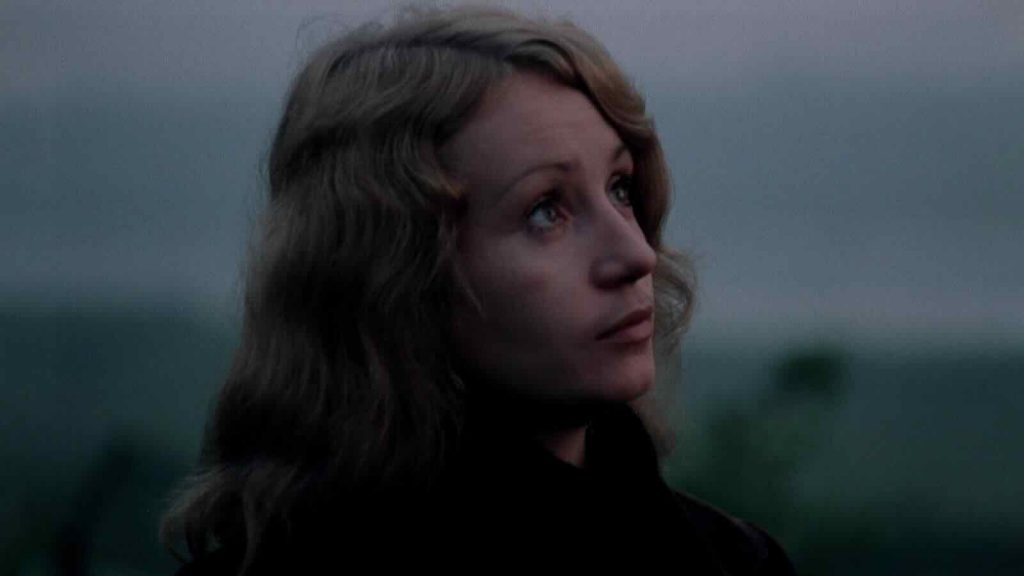
The Scar
Krzysztof Kieślowski / 1976 / 106min / Digital
Saturday, April 25 at 5:40 PM
Starry-eyed idealism runs smack into a wall of practical complexities and human stubbornness in Kieślowski’s first film to receive a direct to cinema release, in which a well-liked Party factotum,Stefan (Franciszek Pieczka) returns to a provincial town to oversee construction of a chemical plant he hopes will become a worker’s paradise, but his vision is challenged by locals who resent the project and its environmental impact. A dive into the thickets of Polish bureaucracy in the Communist era, lent an unmistakable veracity thanks to the director’s apprenticeship in documentary.
Co-presented with the Polish Cultural Institute, New York.