
ZIETA ILLUSTRATED Polish design and illustration in New York
May 15 – August 15, 2026
The Pilecki Institute in New York
Small Gallery, 2nd Floor
92 Greenwich Street, New York, NY 10006
Open on weekdays: 12:00 PM – 6:00 PM
Free admission
Friday, May 15 at 6:30 – 8:30 PM
Opening Reception
RSVP is required. Please confirm attendance by Thursday, May 14, 11:59 PM ET via online form click here.
ZIETA ILLUSTRATED
Polish design and illustration in New York
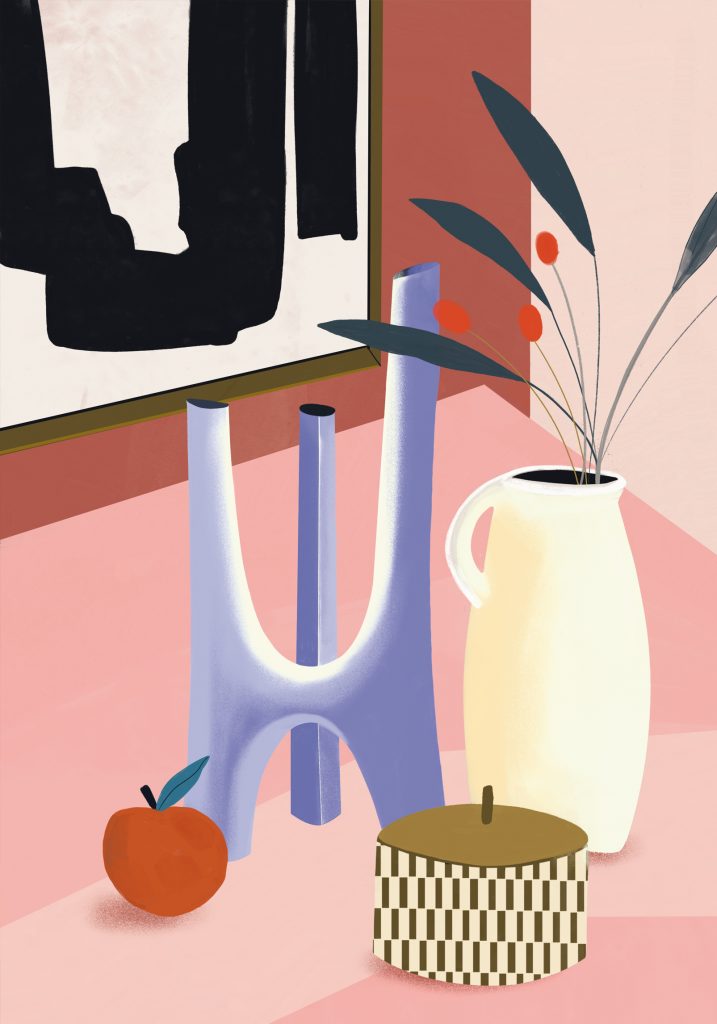
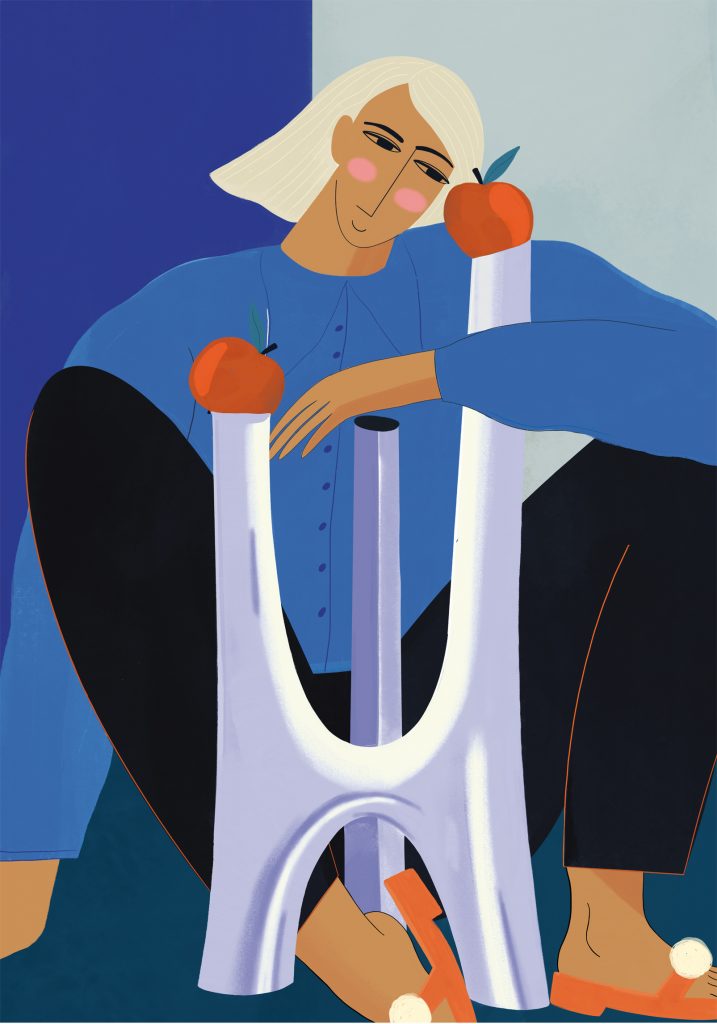
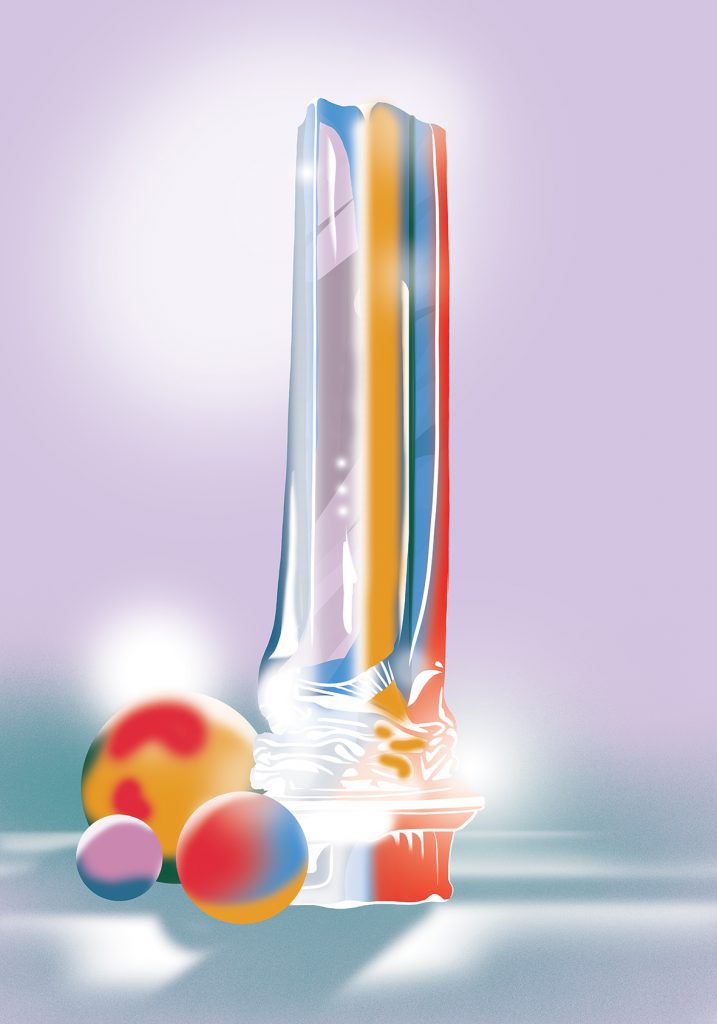
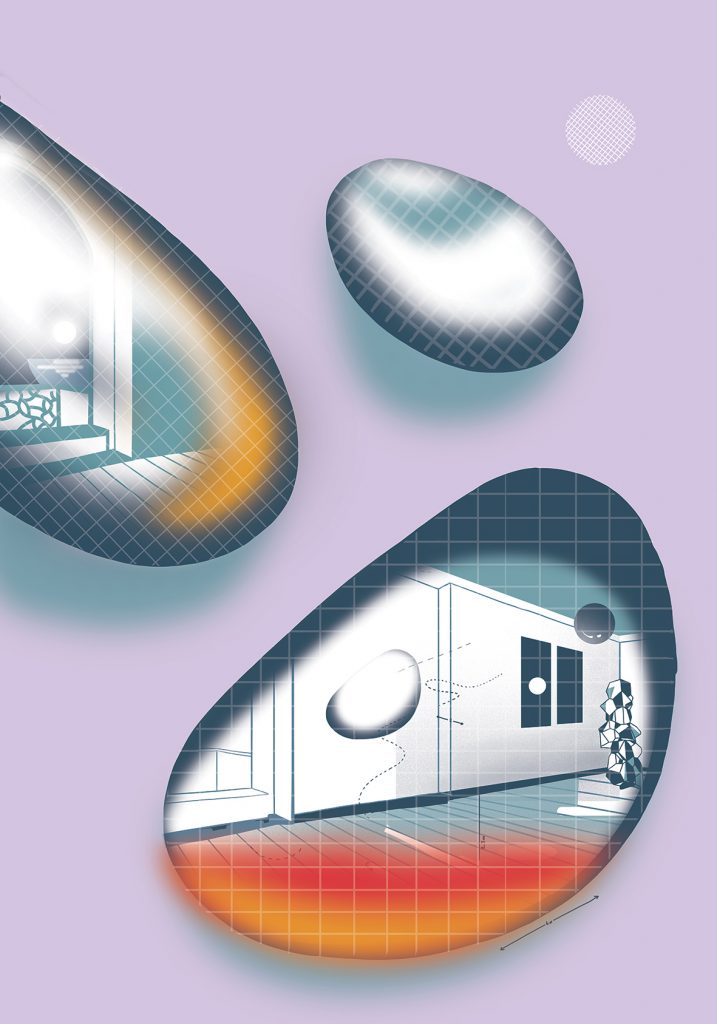
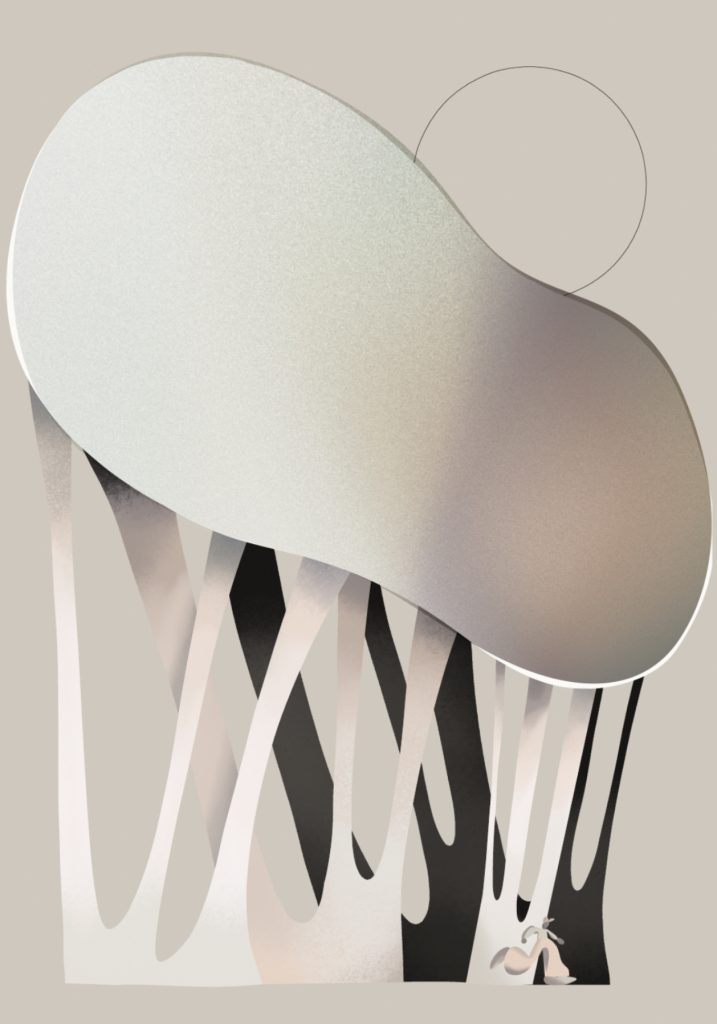
From May 15 to August 15, Zieta Studio, in collaboration with the Pilecki Institute in New York and the Polish Cultural Institute New York, presents Zieta Illustrated. The project features Oskar Zięta’s iconic metal objects alongside graphic interpretations by renowned Polish illustrators, further expanding the dialogue between image and form. As part of NYCxDESIGN, the exhibition marks an important stage in the project’s international growth.
On lines, colors, and emotions
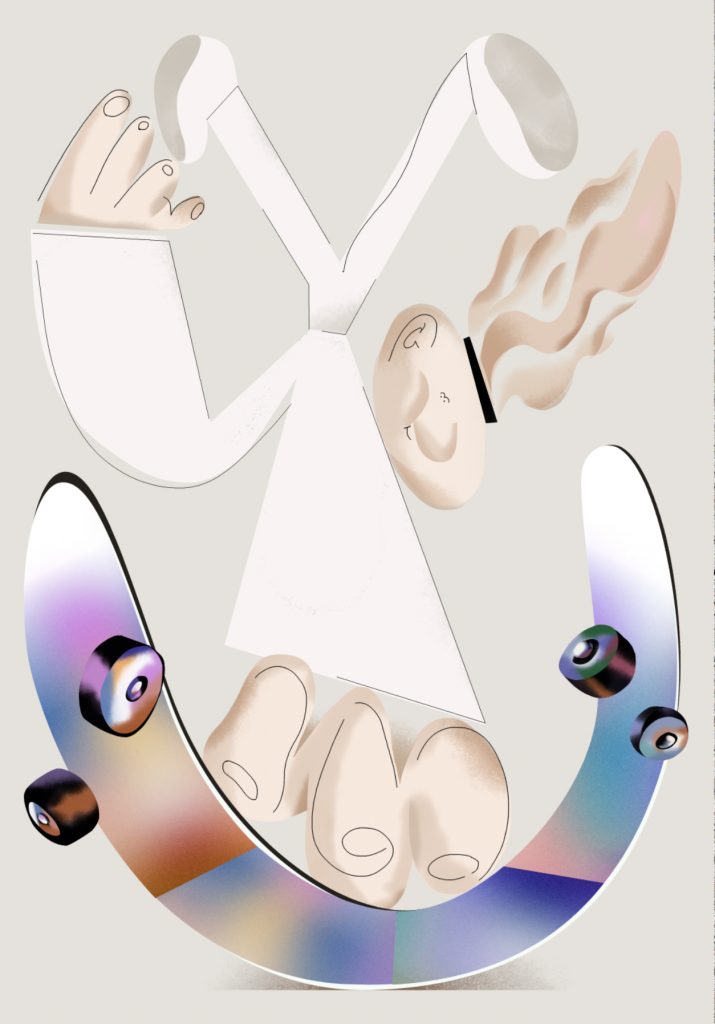
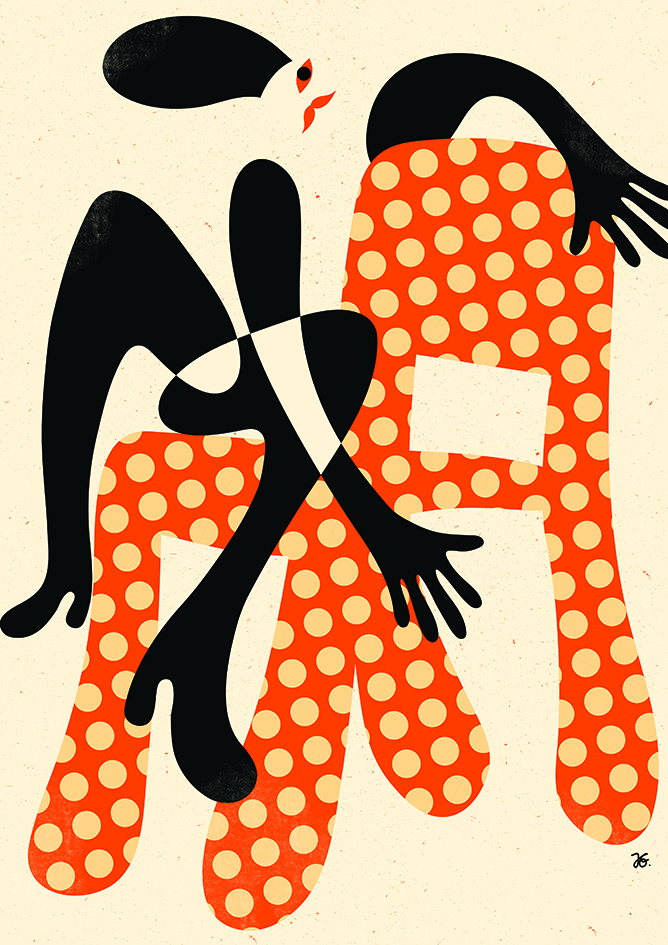
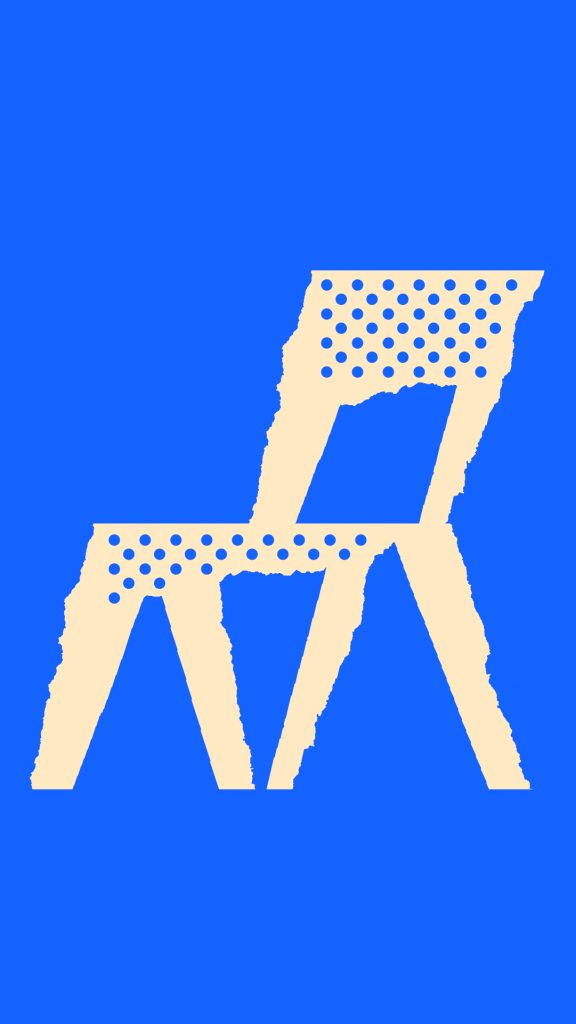
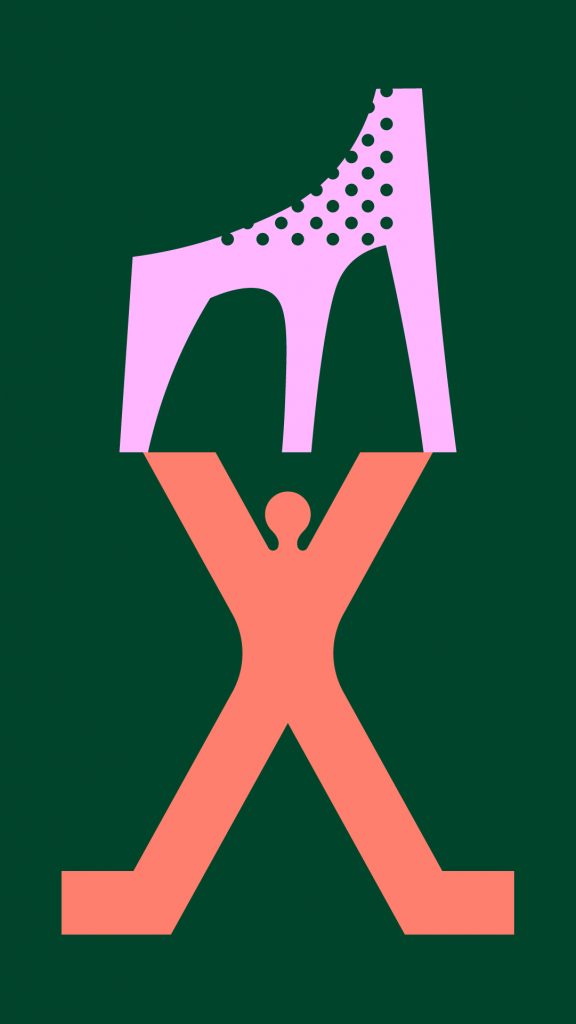
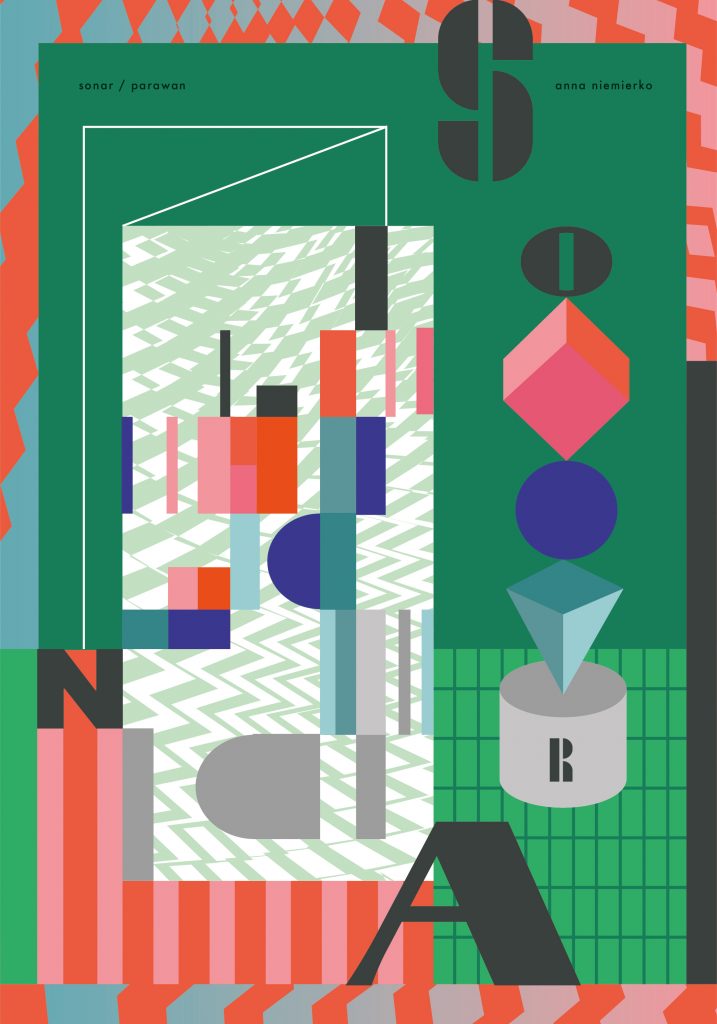
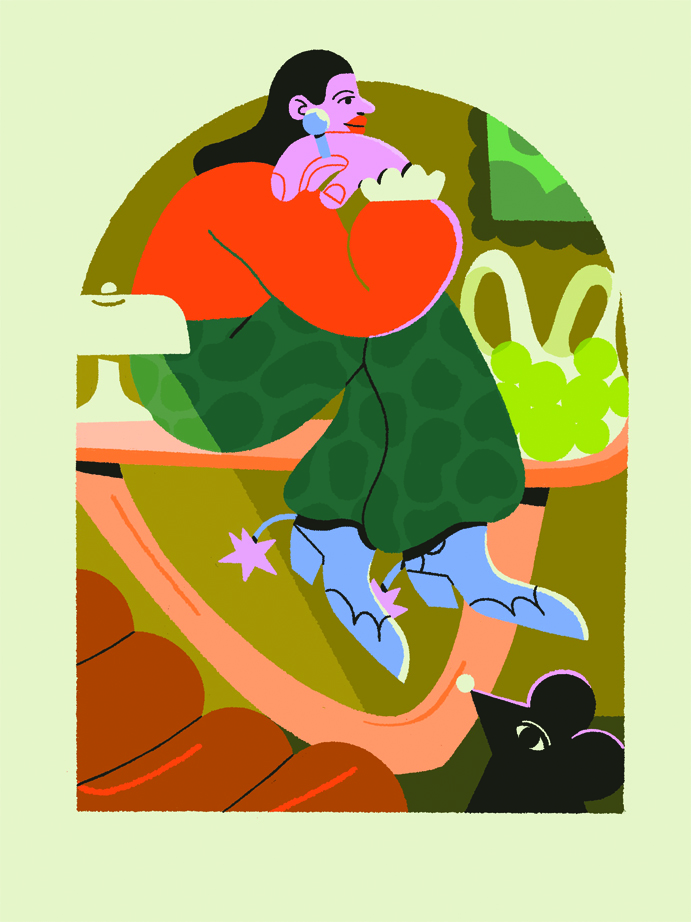
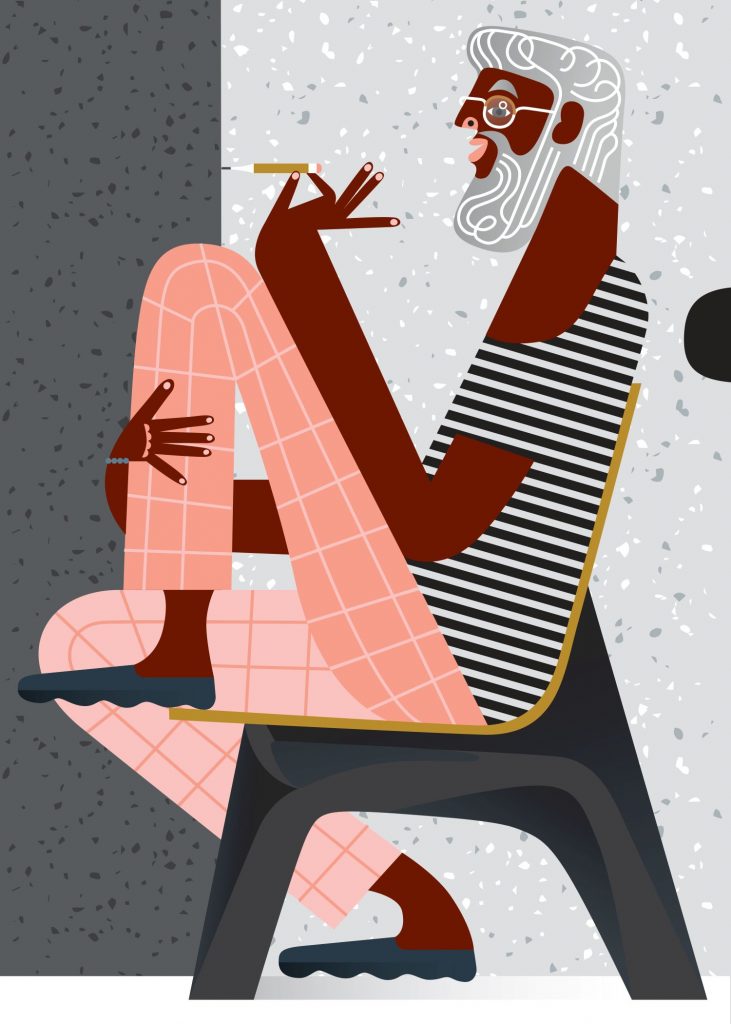
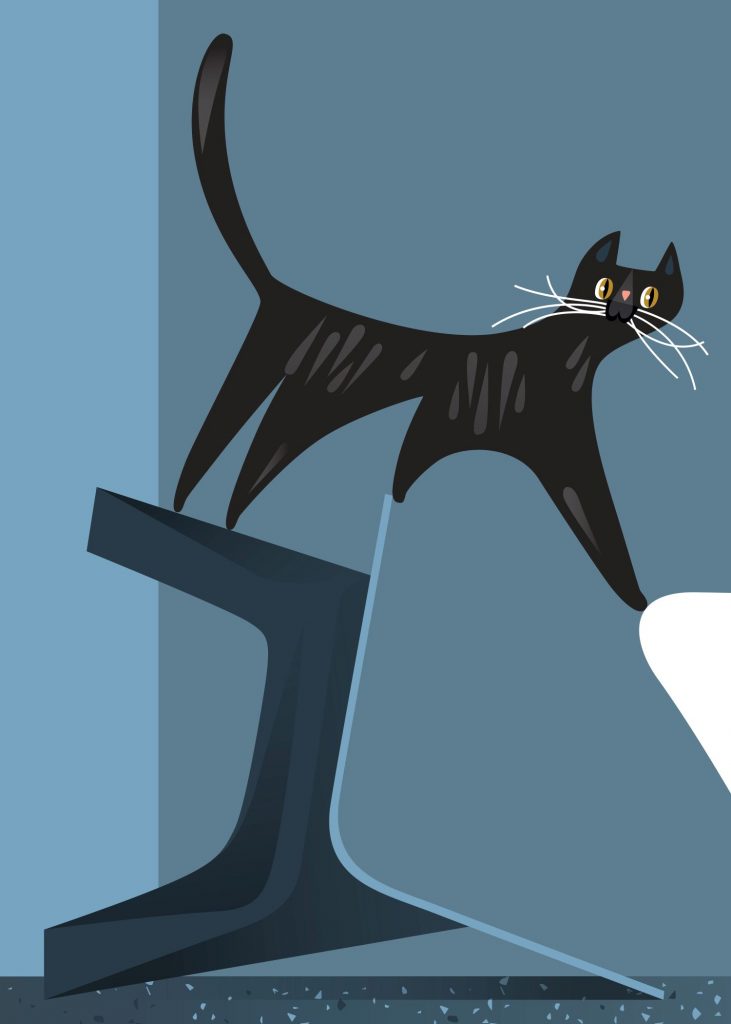
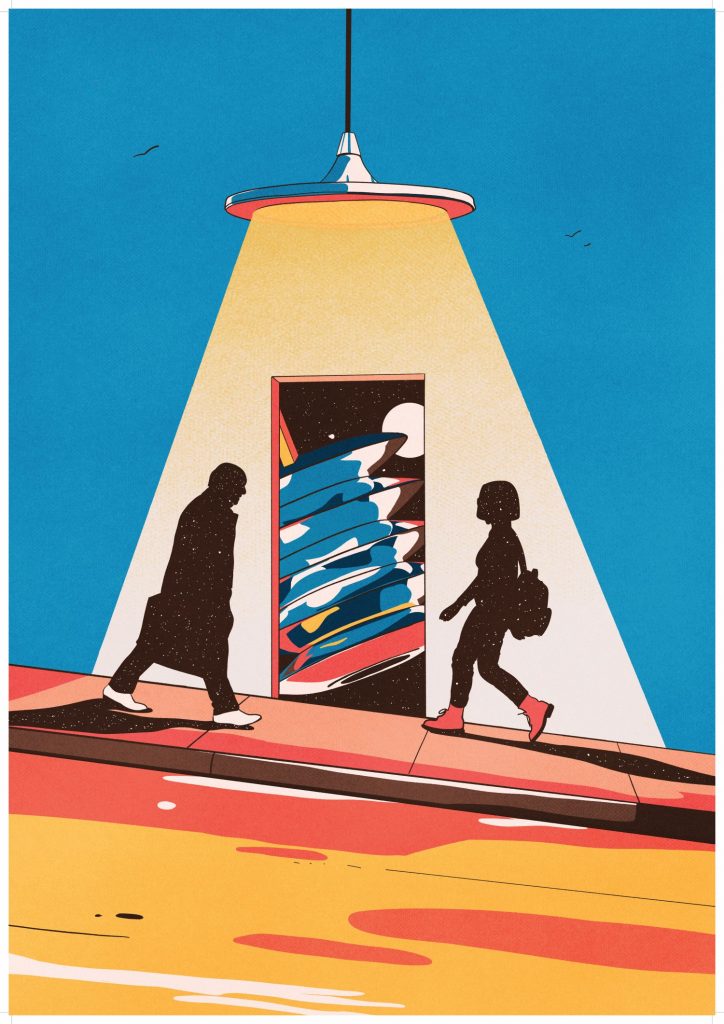
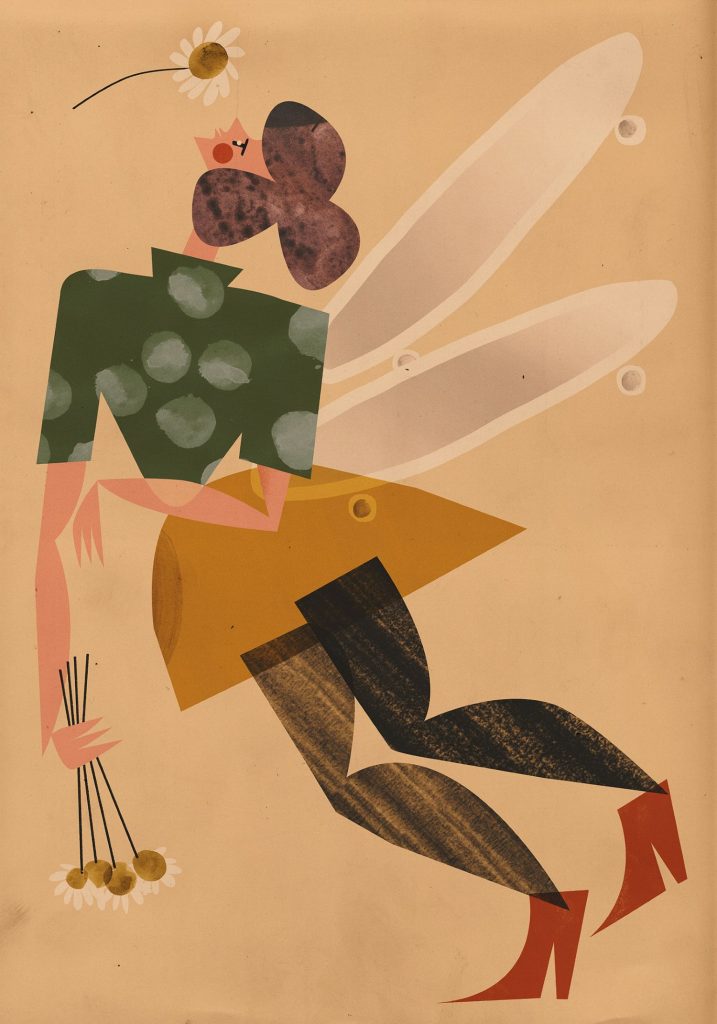
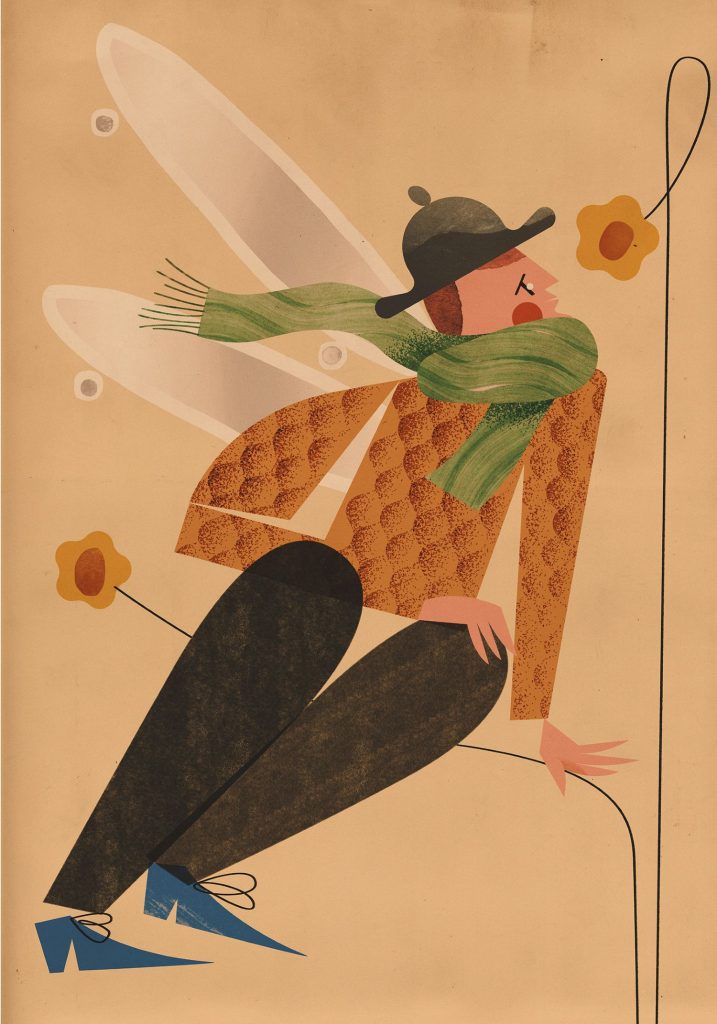
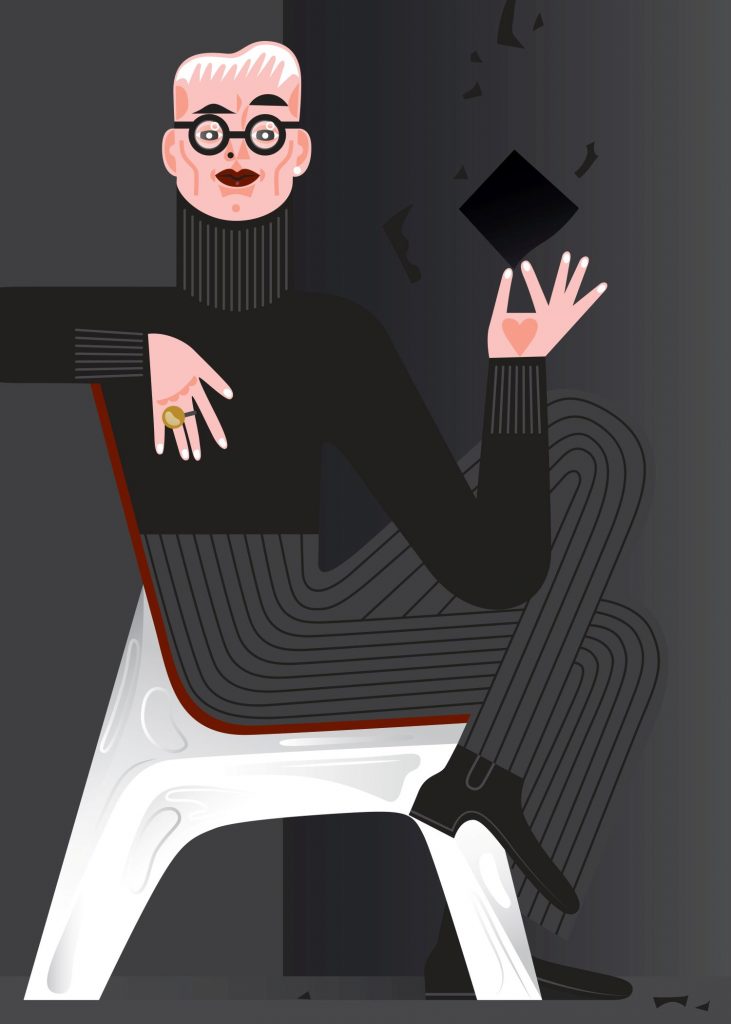
The exhibition “Zieta Illustrated” comprises Oskar Zięta’s iconic metal objects and their graphic interpretations by leading Polish illustrators, expanding the dialogue between image and form. It is a story about how technology becomes an artistic language and illustration a tool for reinterpretation.
The curatorial narrative is based on the idea of connecting the disciplines of art, design, engineering, and technology Through bridging disciplinary boundaries, this exhibition foregrounds innovations in Polish design and its relevance on the international stage.
Zieta Studio unites these fields daily by developing its proprietary FiDU technology, which deforms steel using internal air pressure. Zięta describes this process as a “controlled loss of control,” which gives the material a degree of autonomous deformation. The result is ultralight, durable forms that are functional, sculptural, and constructional.



The power of connection
This spirit of experimentation and openness naturally extended to collaboration with illustrators, who work with the languages of emotion, line, color, and visual reduction. The result is “Zieta Illustrated”, a project in which leading Polish illustrators reinterpret Oskar Zięta’s iconic objects through a series of limited-edition prints revealing new meanings and visual narratives.
“We like challenges, and we like to connect. Therefore, we initiated the Zieta Illustrated project, whose goal is to support young artists, combine disciplines, and tell stories together.”
— Oskar Zięta, project founder
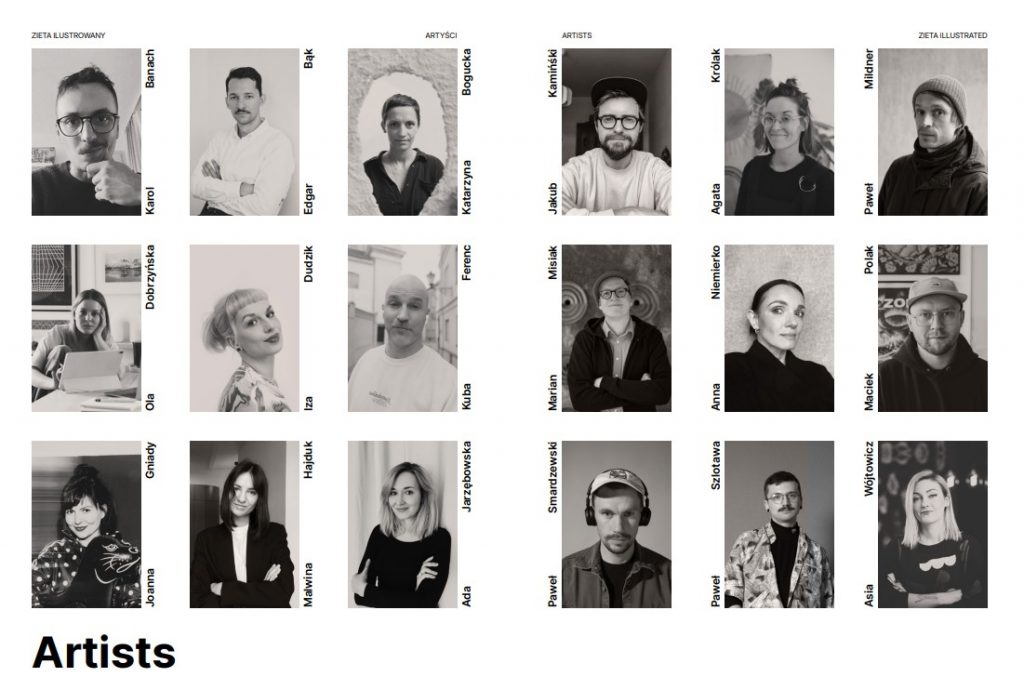
Among the invited artists are: Karol Banach, Edgar Bąk, Katarzyna Bogucka, Ola Dobrzyńska, Iza Dudzik, Kuba Ferenc, Joanna Gniady, Malwina Hajduk, Ada Jarzębowska, Jakub Kamiński, Agata Królak, Paweł Mildner, Marian Misiak, Anna Niemierko, Maciej Polak, Paweł Smardzewski, Paweł Szlotawa and Asia Wójtowicz.
A traveling, multidimensional concept
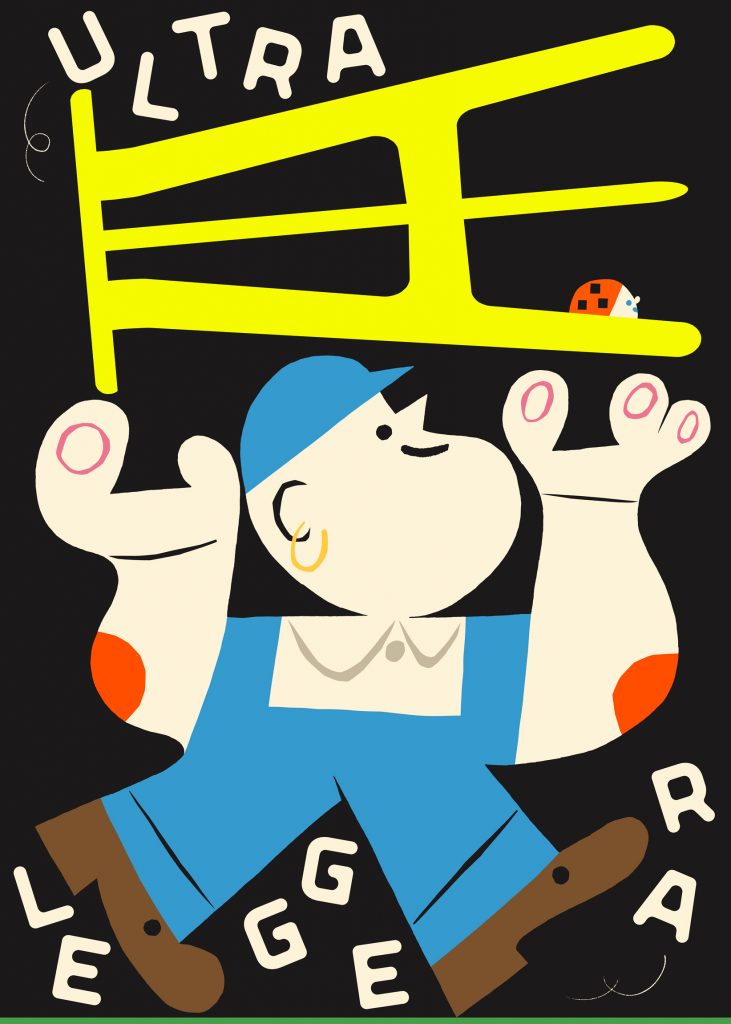
The origins of the project date back to 2014 and Oskar Zięta’s collaboration with Marian Misiak on graphic design for a publication dedicated to the 3+ furniture system. The outcome of this cooperation included not only illustrations but also the now-iconic FiDU Alphabet—steel letterforms and the Maria1 typeface. An early example of visual storytelling around Zięta’s objects was also the animation Ultraleggera, dedicated to the world’s lightest chair.
Over time, “Zieta Illustrated” has evolved into a flexible exhibition concept that can be adapted to different spaces and contexts. The project develops through institutional exhibitions, trade fair presentations, publications, and digital formats. Previous editions have been presented at the Institute of Industrial Design in Warsaw, the Wrocław Town Hall, and the LUMAS Gallery in Toronto.
“The New York edition represents a mature stage of the project. The exhibition at the Pilecki Institute not only presents objects and illustrations, but creates an experience — one that engages both visual and tactile perception.”
— Oskar Zięta
Touching forms and stories
The “Zita Illustrated” exhibition at the Pilecki Institute in New York has a distinctive tactile dimension—each object can be explored through touch using its three-dimensional model. This solution has been designed for audiences with visual impairments, extending the experience beyond traditional visual perception. Information materials are available in Braille and in large print, complemented by an online audio guide.
How does air sculpt steel?
The exhibition has been accompanied by special events, including a meeting with Oskar Zięta and a live FiDU deformation demonstration. This performative and educational experience brings the idea of “less is less” closer to the audience, emphasizing the reduction of weight, energy, and material usage, while revealing how air becomes a structural tool.
Zieta Illustrated in New York is a platform for international and cross-sector collaboration. It is a story about potential—about how technology can become an artistic medium, an illustration, a way for interpreting form, and exhibition a space for contemporary cultural dialogue.

Co-financed by: the Minister of Culture and National Heritage and the Development of Creative Sectors program of the Institute of Creative Industries. Project partners: the Pilecki Institute in New York and the Polish Cultural Institute New York. The exhibition is part of the NYCxDESIGN 2026 Festival.