
May 23 – July 5, 2026
KODA House
407b Colonels Row, Governors Island, NY
Saturday, May 23, 2026 at 3:00 PM – 5:00 PM
Opening Reception
Saturday, June 20, 2026 at 3:00 PM – 5:00 PM
Art Talk with artist Anna Barlik and Paula Vilaplana de Miguel, Assistant Curator at the Department of Architecture and Design, Museum of Modern Art in New York (MoMA)
RSVP
Watch art talk with Anna Barlik and Paula Vilaplana de Miguel, Assistant Curator at the Department of Architecture and Design, Museum of Modern Art in New York (MoMA)
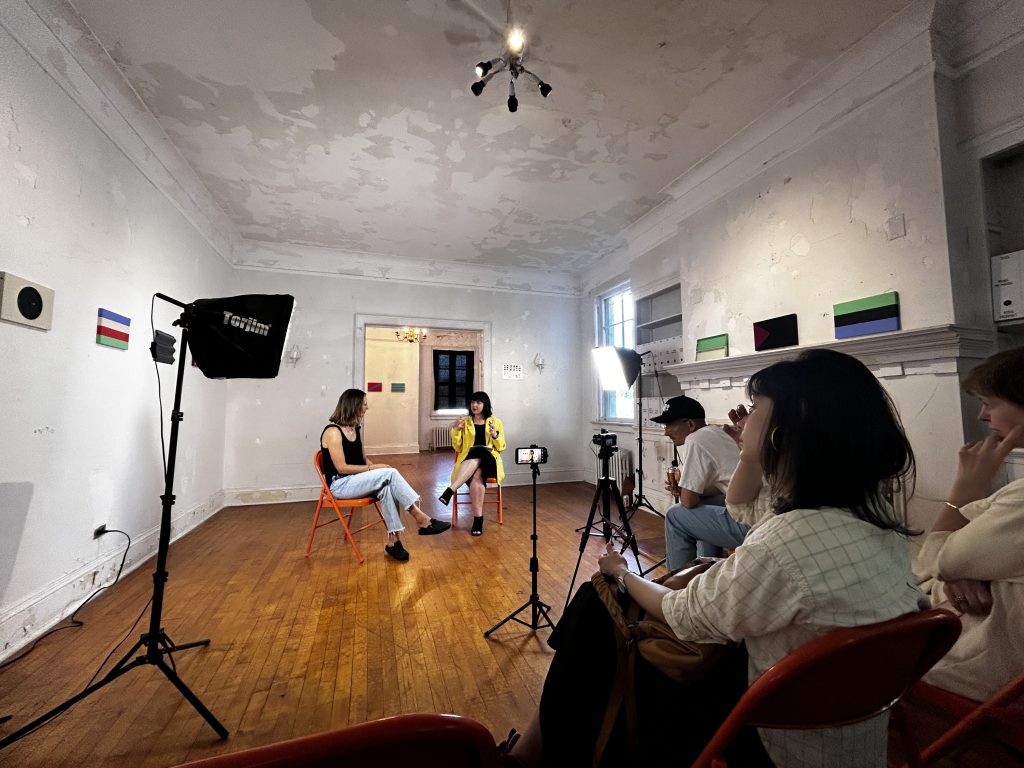
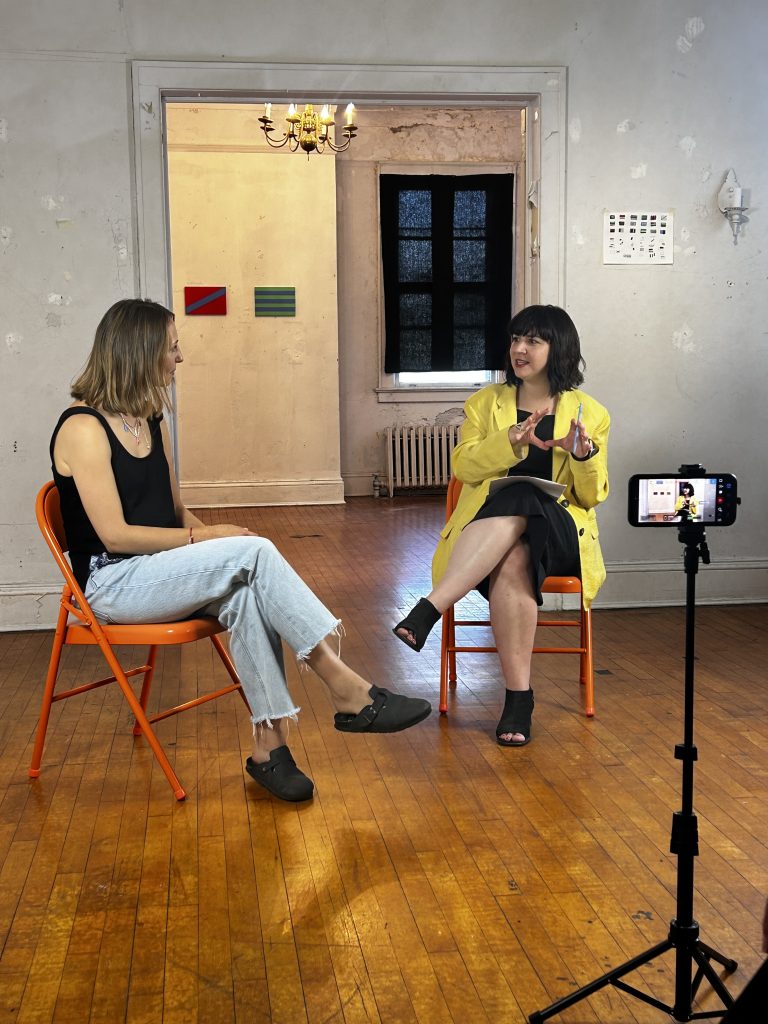
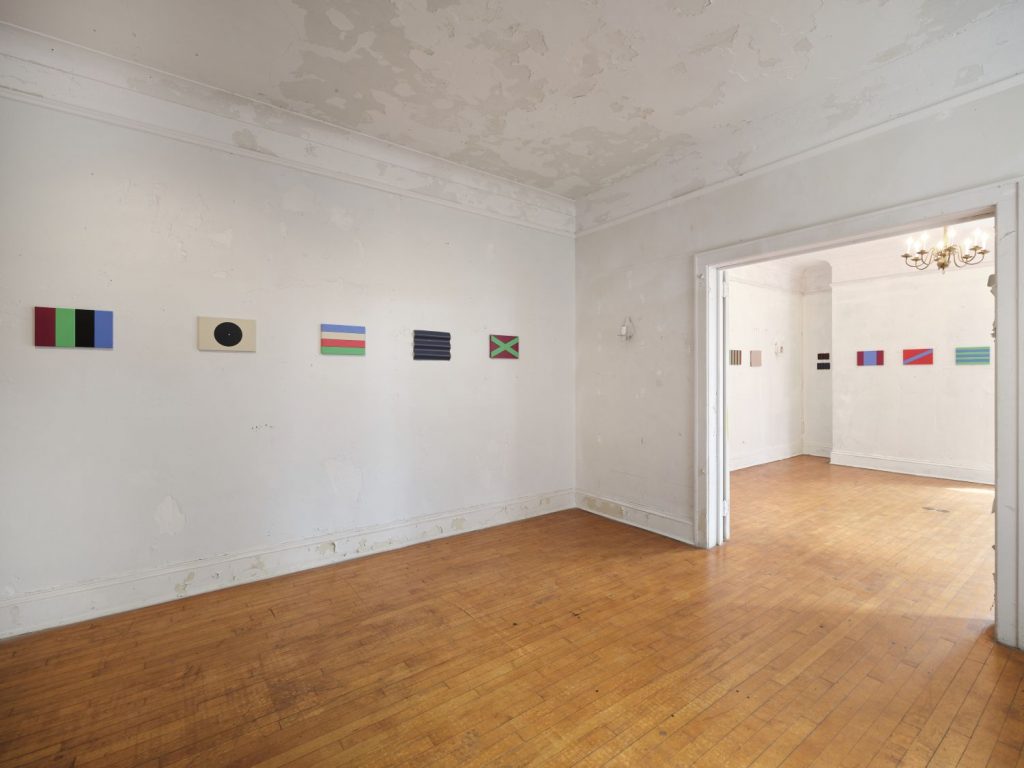
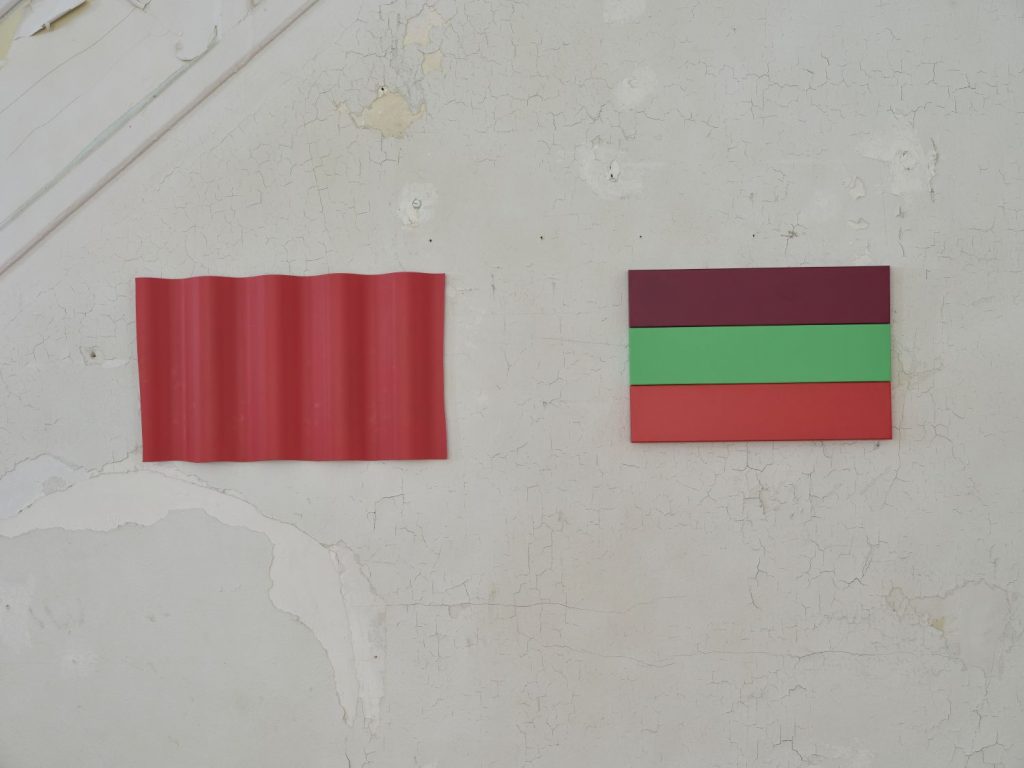
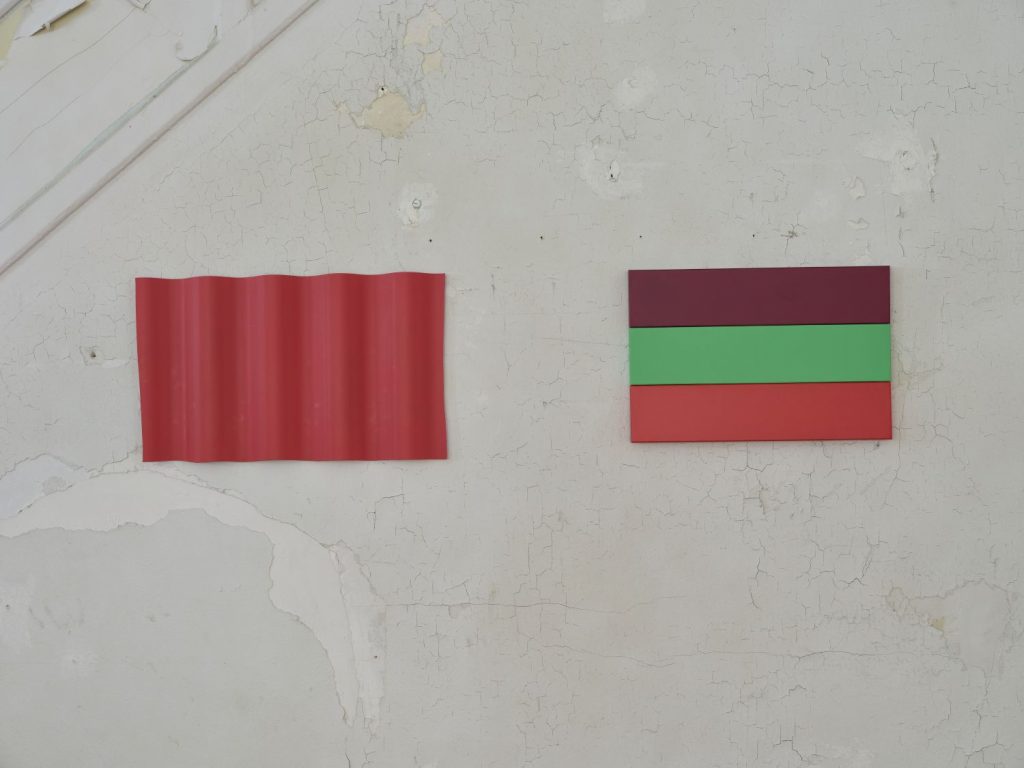
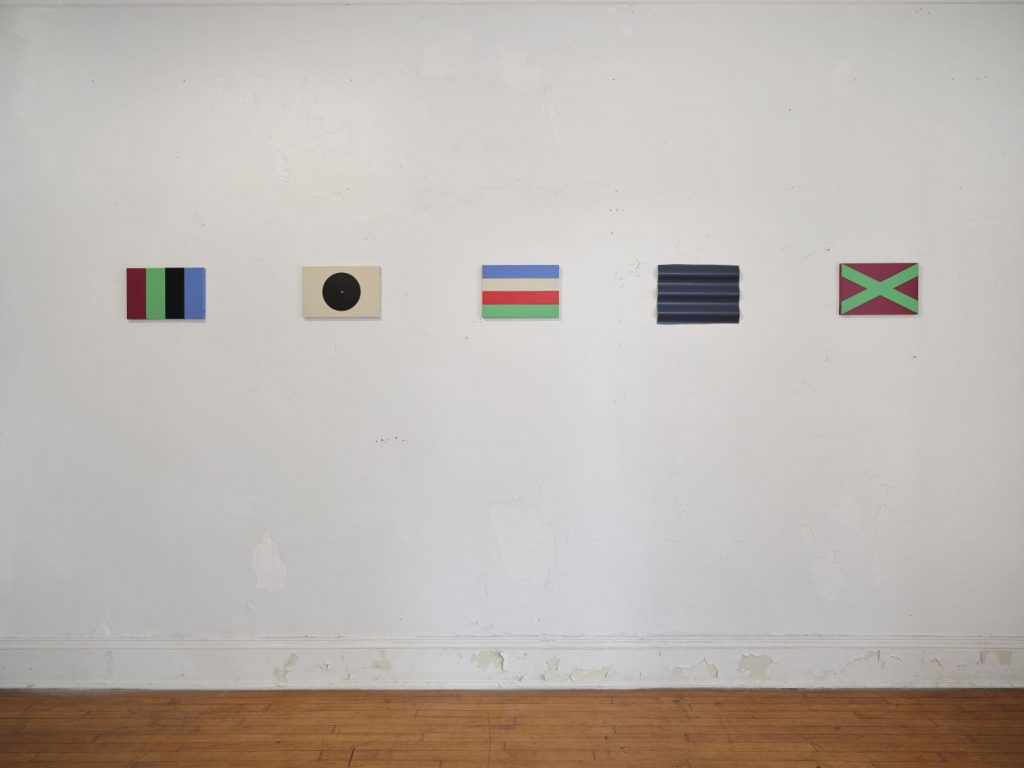
Anna Barlik’s solo exhibition, Flags of Non-Existent Countries, presents a new series of formal compositions that engage and critically reinterpret the visual codes of nationality. The artist uses the flag — one of the most recognizable symbols of unity, identity, and political belonging — as a conceptual starting point to explore these themes. In Barlik’s work, such order becomes destabilized — colors that are assigned to certain countries or places become re-ordered, deconstructured, and reconfigured, creating visual marks, or speculative emblems, for countries that have never existed. In these works, these colors are changed into softer and different – less obvious tones. By moving away from their usual forms, the works ask how symbols gain meaning and power, and encourage viewers to look again at ideas often seen as fixed or natural.
Barlik is interested in the utopian potential of this gesture. What happens when we strip a symbol of its official meaning? Is nationality a permanent category or is it a construct that is subject to constant negotiation? Does a sense of belonging emerge exclusively from borders and history or is it built primarily through common values, culture, and experiences we share?
It is exactly the common values and culture that often shape us more strongly than formal political divides. They are the ones creating connections, building communities, and influencing the way we understand ourselves and each other. For the artist, identity is not a solid state. We define ourselves, re-define ourselves, construct and deconstruct ourselves in an ongoing process. Similarly to flags in this series, our belonging is fluid, changeable, and multi-layered.
When entering KODA House, a tulle flag welcomes visitors, referencing the visual language of national display and civic ritual. Throughout the exhibition, the presented works form a series of sketches and case studies exploring flags, systems of belonging, and the symbolic role of color. The sunroom becomes an installation space with a linear drawing in space. In the main gallery, steel flag-like sculptures are prominently installed, including above the fireplace and in the stairway entrance. Constructed from separate elements and partially disassembled, they appear as if caught in a moment of transformation. Paper sketches and compositions appear across the space, emphasizing process and materiality. In the kitchen gallery, flags rendered as everyday kitchen cloths are present, extending the exhibition’s vocabulary into the realm of the domestic and the functional.
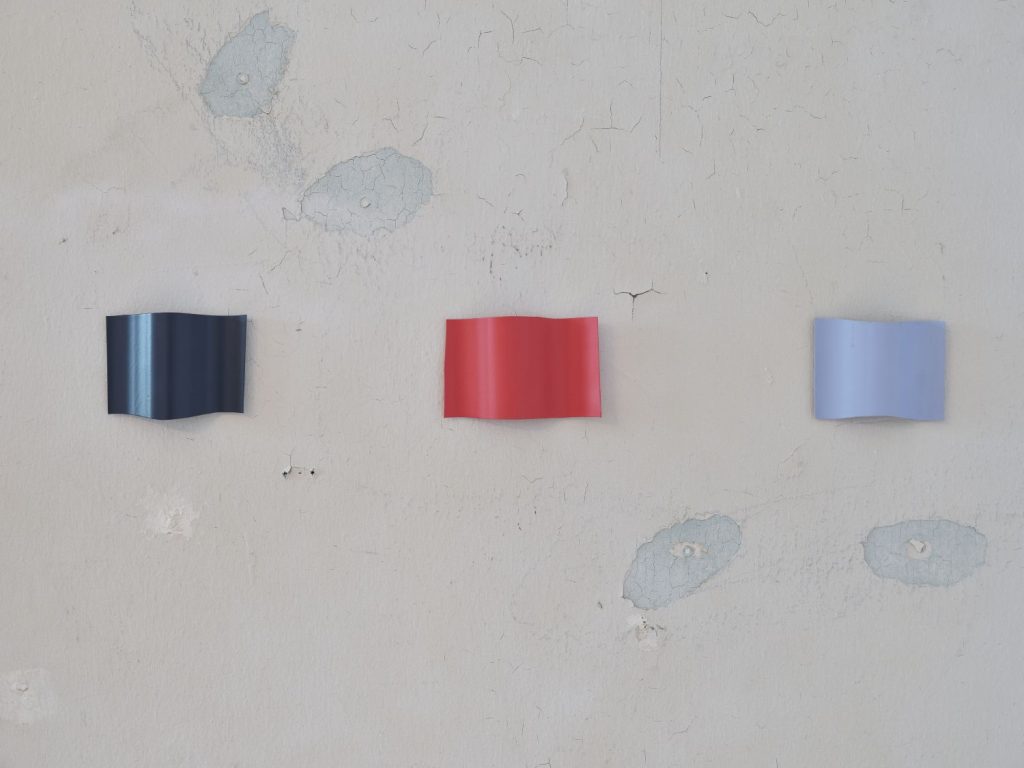
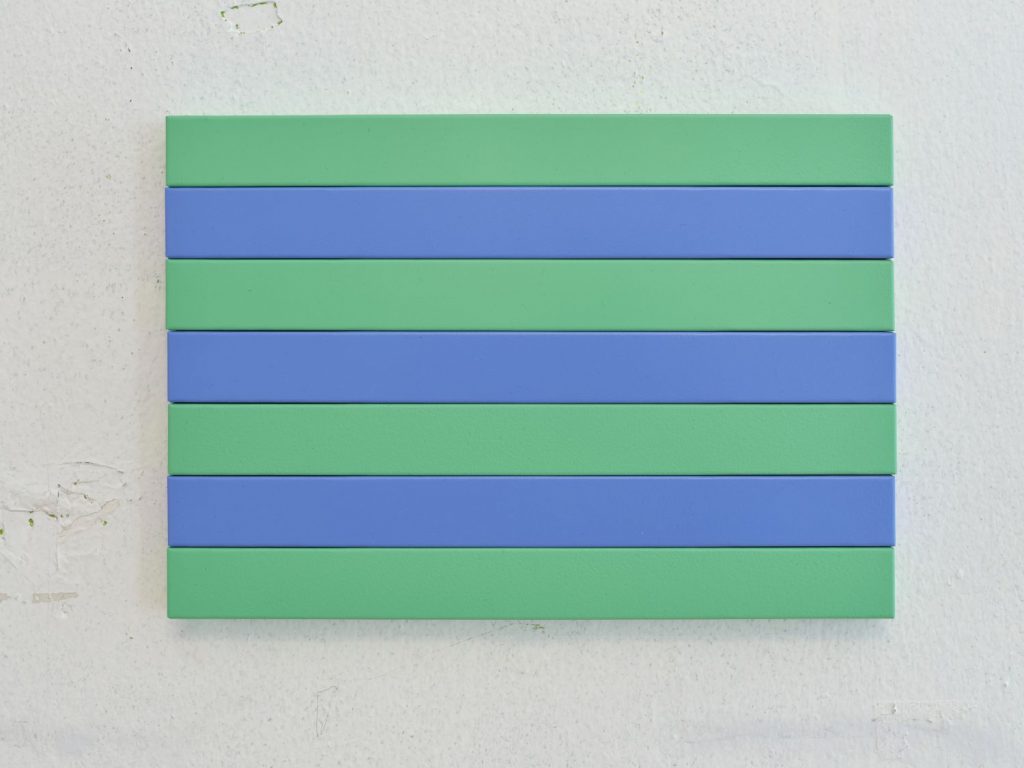
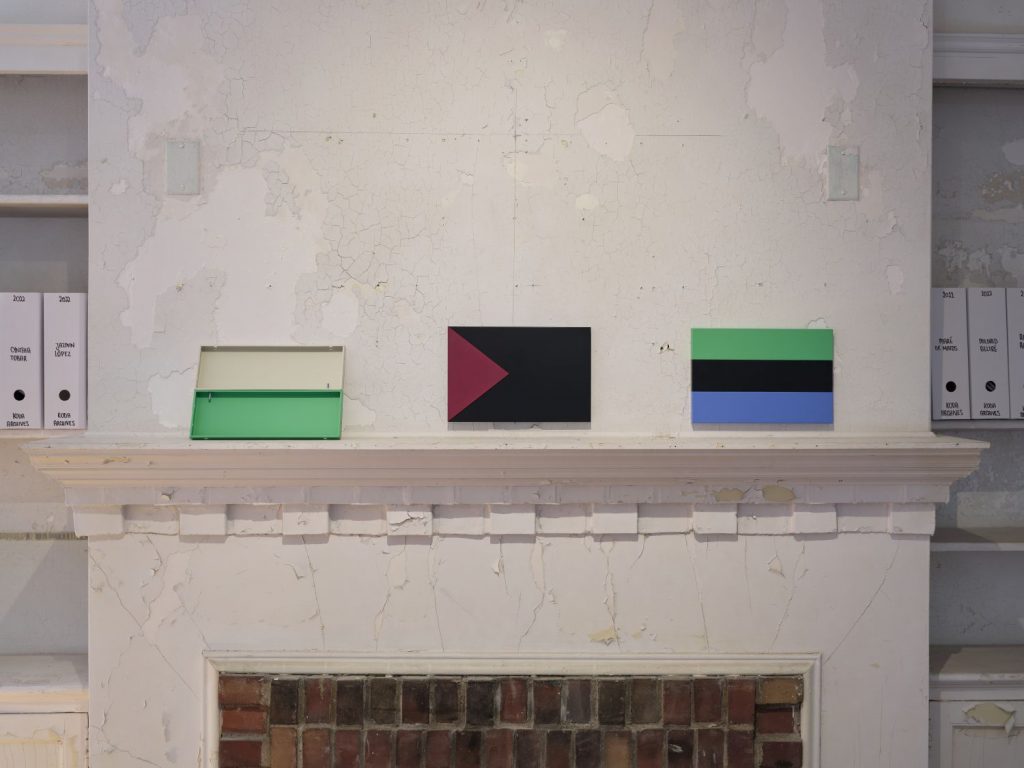
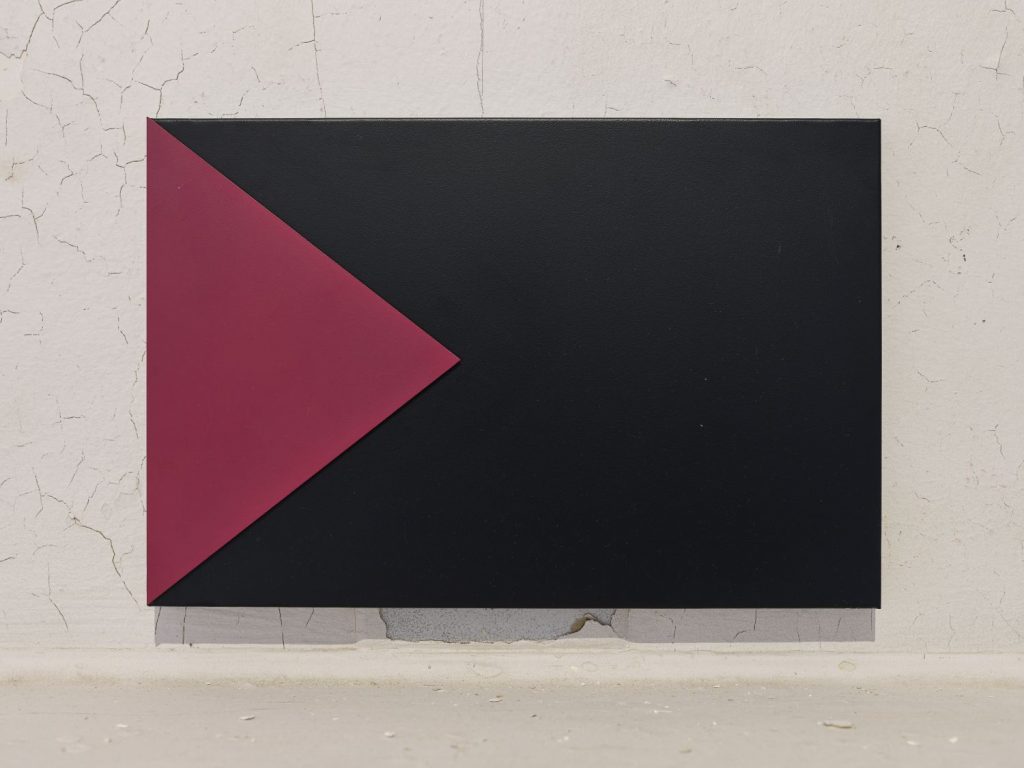
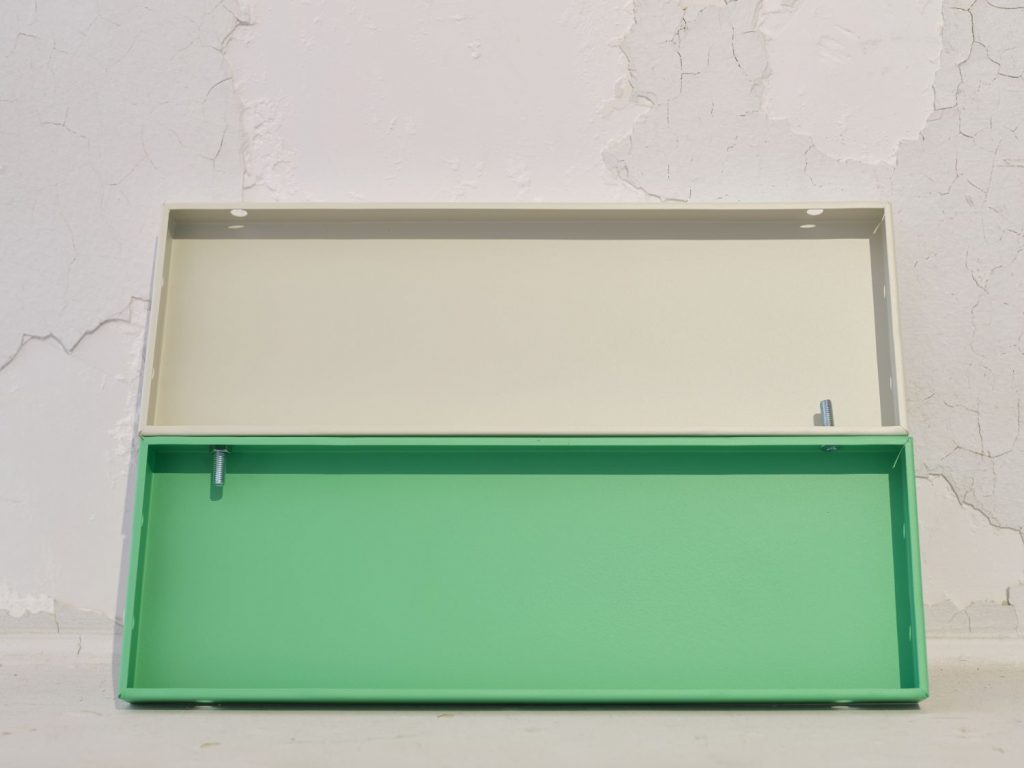
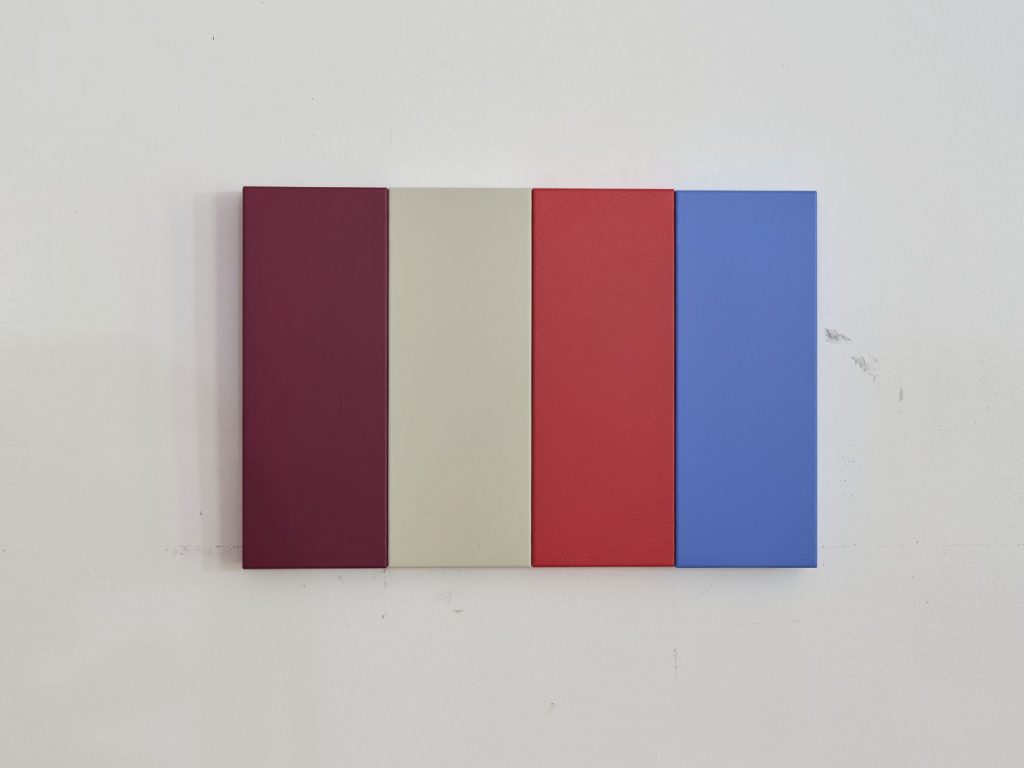
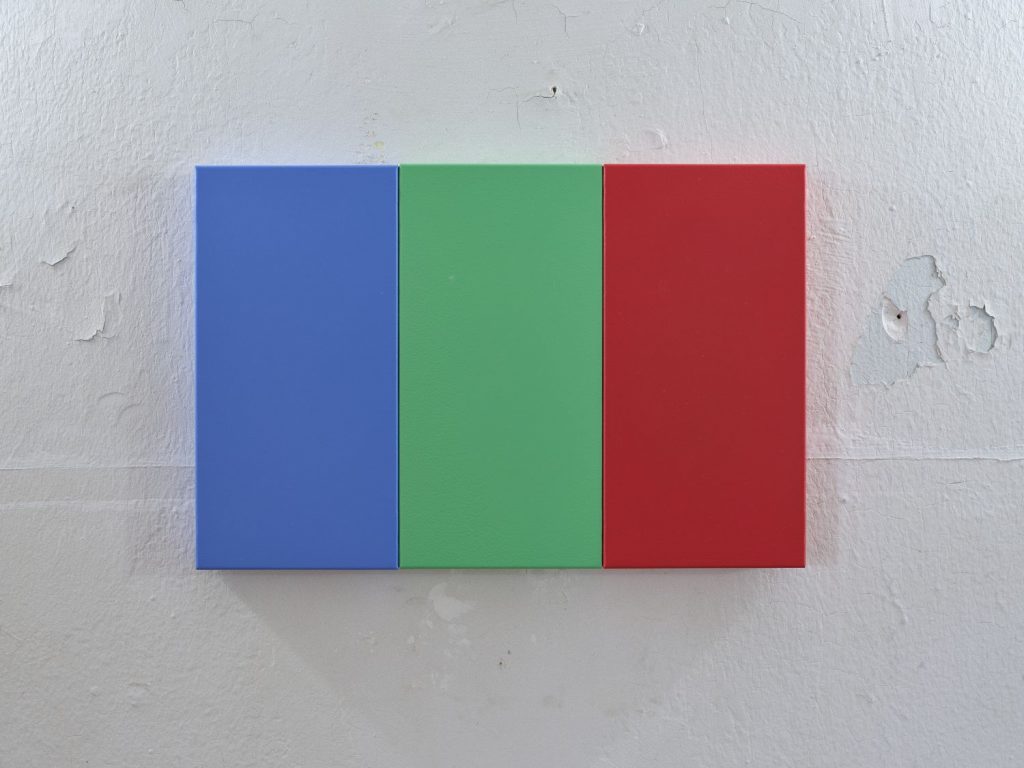
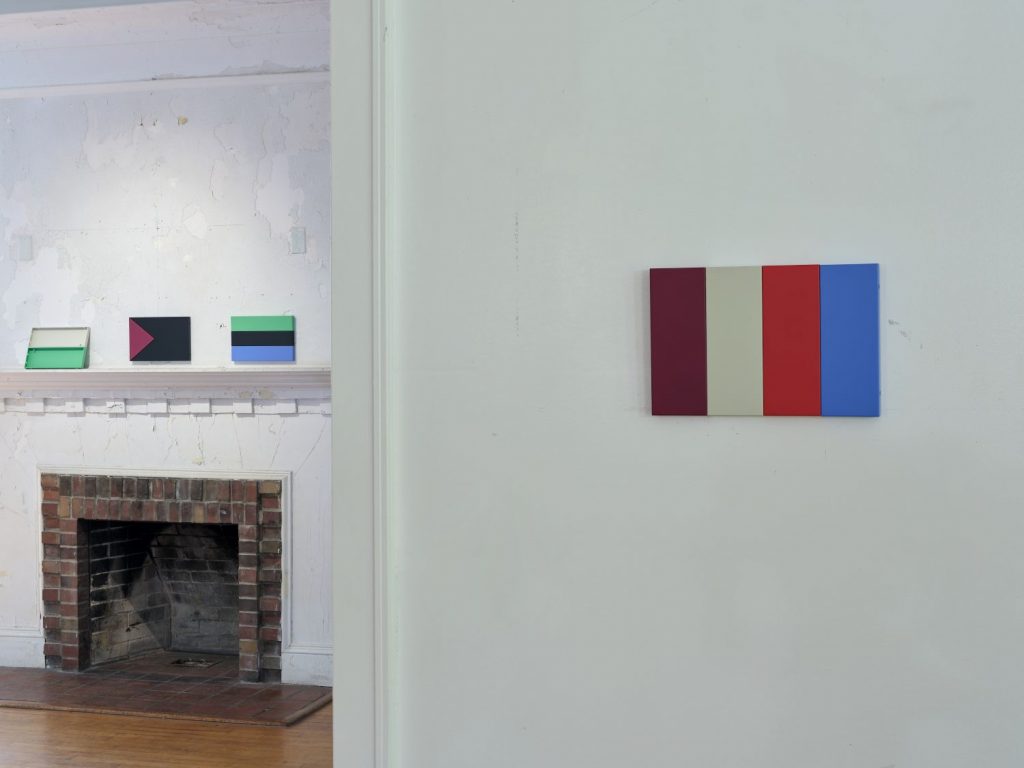
Artworks presented at KODA are presented in dialogue with earlier projects such as DATAMENT, a site-specific installation that represented Poland in the Polish Pavilion at the Venice Architectural Biennial (2023). DATAMENT explores how architecture is more and more shaped by data and algorithms. It questions our trust in systems that promise clear answers, while often creating distorted or incomplete images of reality. Also, Obstacles, a series of sculptures addressing adversity and the human ability to confront it, is presented alongside Flags of Non-Existent Countries. All these projects, despite formal differences, are connected by an interest in the relation between an individual and a system — between what is given and what is possible to transform.
Anna Barlik is an artist-in-residence at KODA in 2026 in the season entitled Utopia. In this context, she wishes to show that even the simplest visual means can carry enormous emotional and conceptual weight. Geometric layout, color, rhythm, or composition, are not neutral forms — they become carriers of memory, tensions, aspirations, and questions about the future. This exhibition is an invitation to think about the world not as a closed map of fixed borders but as a space open to continuous reimagination.
Paula Vilaplana de Miguel, Assistant Curator at the Department of Architecture and Design, Museum of Modern Art in New York (MoMA) written response to Flags of Non-Existing Countries
Jul 15, 2026
My first conversation with artist Anna Barlik happened online, an imperfect solution, since we kept missing each other between the US and Europe, the two places we both transit through and, alternately, call home. I was in New York; she was temporarily in Poland, so my window into her workspace was a virtual one. Anna Barlik’s studio is full of wires: connections that jump from one corner to another, bits of past sculptures, prototypes for future ones. A shape from her work Connections recurs in one corner; a deep blue from Datament in another. Her work, like her thinking, is vivacious and rhizomatic—so are the sculptural lines that make up her virtual background.
Her path to artistic practice follows a similarly peripatetic trajectory: she majored in math, trained in sculpture, and did postgraduate work in urban planning and architecture. Movement is central to Anna’s practice. After all, she, I, and most cultural workers live in permanent transit. “I never put my luggage back in the closet,” she confesses, “because I know I’ll need it again soon.” While her official residence is Warsaw, her work has led her to residencies in New York, Hrísey, Venice, and KulttuuriKauppila in recent years. Perhaps that restlessness is what draws her to KODA— Klaudia Draber’s wonderful gallery space on Governors Island—and to the act of setting a flag there: a gesture that reads, at first, like arrival, conquest, presence. But Flags of Non-Existing Countries dismantles that reading almost as soon as you form it, unsettling any idea of the flag as a placeholder for stable identity.
As one approaches the KODA house, two flags flank the entrance, waving in the breezy winds of the island. The first is both familiar and unrecognizable: vertical stripes in shifting shades of blue. Beside it stands a second, fully red flag. This is the visitor’s first exposure to a tension the show keeps returning to: a warm welcome, suggested by the pastel blues, against a signal to stop, suggested by the deep red. Already, color is doing the arguing. Elsewhere the palette stays gentle and unfamiliar; the red alone stays constant, the red of tension, of blood.
Once inside, every assumption about a flag is playfully dismantled—scale, materiality, color, purpose. Flags are typically flat; made of cloth, they flow and move with the air. What Anna proposes is different. Her flags look rigid and static at first glance, but they’re three-dimensional, built to be assembled and disassembled into different configurations.
Scale answers first. These flags shrink from monumental symbols that announce presence from afar to something closer to quasi-domestic companions, each roughly the size of an A4 sheet. If a flag typically denotes territorial or national affiliation, this scale is Anna’s own deterritorialization talking back: her studio often becomes itinerant, so the work has to travel with her, and travel means it has to fit in a suitcase. It also speaks to something larger: the fact that we carry identity and its material signifiers with us as proof of belonging, or as the illusion that something so fluid can ever be pinned to a fixed object.
That tension sharpens with material. Anna works primarily with steel, she has said, because “it stays the way you want it.” The most fixed material is used to speak about the least fixed thing: identity, belonging. But the assumption destabilizes again almost as soon as it forms: Anna’s flags are modular, held together by bolts, magnets, reconfigurable parts. The steel doesn’t fix an identity in place; it fixes a state of being reassembled. Identity, the work suggests, is something built and rebuilt rather than inherited—and what Anna offers isn’t a monument so much as one possible configuration, frozen in time: a moment, not a conclusion. Flags of Non-Existing Countries demonstrates the limits of the flag as a form, its inability to hold complex, sometimes competing histories flat and still. Where flags are conventionally two-dimensional, Anna’s are sculptural, and that added dimension is itself an argument for the multidimensionality of identity.
The same rupture runs through her earlier work, Datament—its blue and its red both recur in the flags, carrying the earlier piece’s history forward. Datament was shown at the Polish Pavilion in Venice for the 18th Biennale in 2023, “The Laboratory of the Future,” where most contributors leaned on infographics to make their case. Anna went the other way, insisting visitors encounter data in material form rather than as chart or abstraction. It’s the same instinct now driving the flags: neither data nor a flag is allowed, in her hands, to resolve into settled fact. Each becomes a tool for asking better questions instead—a resistance to the assumption that data can neutrally legitimize decisions, that algorithms can neutrally design our environments. That resistance has only grown more urgent since 2023, as more of the infrastructure we live inside gets quietly handed to systems we’re told are neutral.
What both works insist on, in the end, is presence over abstraction. Flags of Non-Existing Countries is built on years of research into flags, their history, symbolism, materiality, color, geometry… but Anna doesn’t present that research as a static assessment. She makes it a tactile, open-ended inquiry, one others are invited to continue alongside her. “I am a sculptor,” she says. “My main practice is space.” She builds a space for us to stand in and question, to re-ask what it is we’re actually looking for. Later, in person at KODA, she offered a Polish saying: it is better to chase the rabbit than to catch it. That’s the real subject of both works, and their invitation—to chase the rabbit alongside her, without ever quite needing to catch it.

In 2004, Anna Barlik began her art studies at the Strzemiński Academy of Fine Arts in Łódź, majoring in jewelry design and graduating cum laude three years later. Simultaneously, she pursued studies in sculpture at the Academy of Fine Arts in Warsaw from 2005 to 2010. During her time at the Faculty of Sculpture, Anna received a scholarship to Universität der Künste in Berlin, which she attended in 2008. After graduating in 2010, she continued her education by undertaking a Ph.D. at her Warsaw alma mater while also completing a postgraduate program in urban planning at the Architecture and Urban Planning Department of Warsaw Technical University. In 2017, she successfully defended her Ph.D. in art, culminating a four-year research project focused on spatial concepts in Nordic culture. In 2025, she obtained her habilitation degree in the arts, and was subsequently awarded the title of Professor at the Polish-Japanese Academy of Information Technology (PJATK), where she remains an active member of the academic community, teaching composition and sculpture.
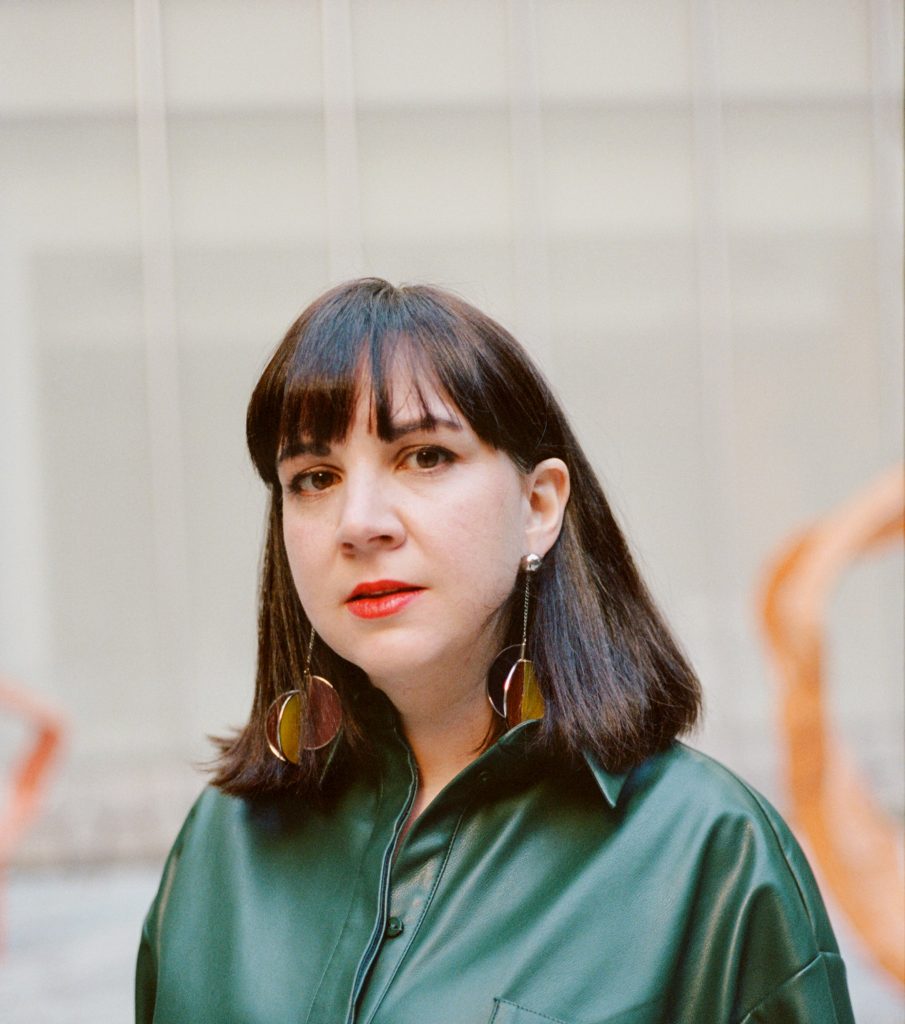
Paula Vilaplana de Miguel Assistant Curator at the Museum of Modern Art in New York (MoMA), Department of Architecture and Design
Paula Vilaplana de Miguel is a curator, cultural strategist, and creative director working across architecture and design, technology, and contemporary art. Paula currently serves as Assistant Curator at The Museum of Modern Art in New York (MoMA), where she has developed projects including Peggy Weil: Core Memory; The Many Lives of the Nakagin Capsule Tower; Down to Earth, and Body Constructs. She has developed projects for institutions such as the Shanghai Art Biennial, The Victoria and Albert Museum, The Venice Architecture Biennial, and Triennale Milano, and Ca2M, among others and her work has been published internationally.
Anna Barlik’s participation in KODA’s Artist Residency program is financed, in part, by the Ministry of Culture and National Heritage, Republic of Poland, and the Adam Mickiewicz Institute. Artist Talk, with an invited guest is presented in collaboration with the Polish Cultural Institute New York.
Lead image: Anna Barlik, Flags of Non-Existent Countries (sketches), 2026.
Anna Barlik, Flags of Non-Existent Countries, 2026. Photos courtesy the artist and KODA. Photography by Argenis Apolinario.