
Krzysztof Kieślowski: An American Cinematheque Retrospective in Los Angeles
Sunday, May 3 — Sunday, July 12, 2026
Sunday, May 3 — Wednesday, May 21
Aero Theatre
1328 Montana Ave, Santa Monica, CA90403
Sunday, May 17
Egyptian Theatre
6712 Hollywood Blvd, Los Angeles, CA90028
Wednesday, May 20 — Sunday, July 5
Los Feliz Theatre
1822 N Vermont Ave, Los Angeles, CA90027
Krzysztof Kieślowski: An American Cinematheque Retrospective offers a look back at the sublimely transcendent cinema of the Polish master. Thirty years after passing at the zenith of his fame, Kieślowski’s films still linger in the cultural consciousness, proving the medium’s unique ability to navigate complex metaphysical queries. From the early documentaries capturing Poland’s working class and the social realist examinations of life under communism, to abstract reflections on universal complexities ranging from fate to virtue and everything in between, our retrospective honors the luminous work of the visionary behind a kaleidoscopic world of vivid humanity.
Replete with glowing refractions of light, dreamlike coincidences and an entrancingly melancholic performance by Irène Jacob, earning her the Best Actress Award at the 1991 Cannes Film Festival, our curated series begins with Kieślowski’s international sensation The Double Life of Véronique. An unforgettable reverie on the fragmentation of identity and the mysterious nature of love, The Double Life of Véronique is an essential entry in the Polish master’s repertoire.
We continue our retrospective with the last three films of Kieślowski’s career as a marathon screening of his lyrical Three Colors trilogy. Named after the colors of the French flag and themed around the national motto of “liberty, equality and fraternity,” the trilogy is led by four spellbinding performances conjured by Juliette Binoche, Irène Jacob, Julie Delpy and Zbigniew Zamachowski. The first of the series, the symphonic Blue, ruminates on the concept of liberation within a story about a woman who loses her husband and young daughter in a car accident, headed by a mesmerizing Juliette Binoche as the grieving widowed mother. Dark comedy White revolves around a French woman played by an ethereal Julie Delpy who divorces her Polish husband and the tale of revenge that ensues, simultaneously dissecting the theme of equality through economic and cultural quandaries in the context of post-communist Poland. Kieślowski’s last film and final installment of the trilogy, Red, follows an effervescent Irène Jacob as Valentine, a young student and model who forms an unlikely connection with a retired judge. Garnering three Academy Award nominations, including Best Director for Kieślowski, and nominated for the Palme d’Or, this vision of destiny and circumstance examines the tenet of fraternity while closing out the career of an almost mythic cinematic figure.
A retrospective of Kieślowski’s career would be incomplete without spotlighting the documentaries from the nascence of his filmmaking. Our documentary shorts program includes six nonfiction short films from 1971 to 1980, each observing different segments of Polish society. From the workers of a funeral home, to a group of veterans blinded in a minefield, and a security guard proclaiming his support for capital punishment, each short acts as a portrait of Poland’s working class, detailing the aspirations, fears and beliefs of a generation under communism.
Blind Chance, one of Kieślowski’s first feature films, was initially censored by the Polish government for its politically contentious elements as the political collides with the metaphysical in this layered narrative of kismet that centers around a medical student ambivalent about his future. Rounding out the series is the entirety of the filmmaker’s masterful Dekalog miniseries and the resulting two feature length films born out of it. Every hour-long installment is themed around one of The Ten Commandments and explores the lives of residents in a housing project, with Parts Five and Six being expanded into the feature films A Short Film About Killing and A Short Film About Love respectively. The miniseries has received a myriad of praise internationally since its debut, as well as winning the BAFTA TV Award for Best International Programme, and has transcended the preconceived notions of television as an artistic medium. Shot by nine different cinematographers, with stirring music by Zbigniew Preisner and compelling performances from established and unknown actors alike, Dekalog arrestingly explores the unknowable forces that shape our lives.
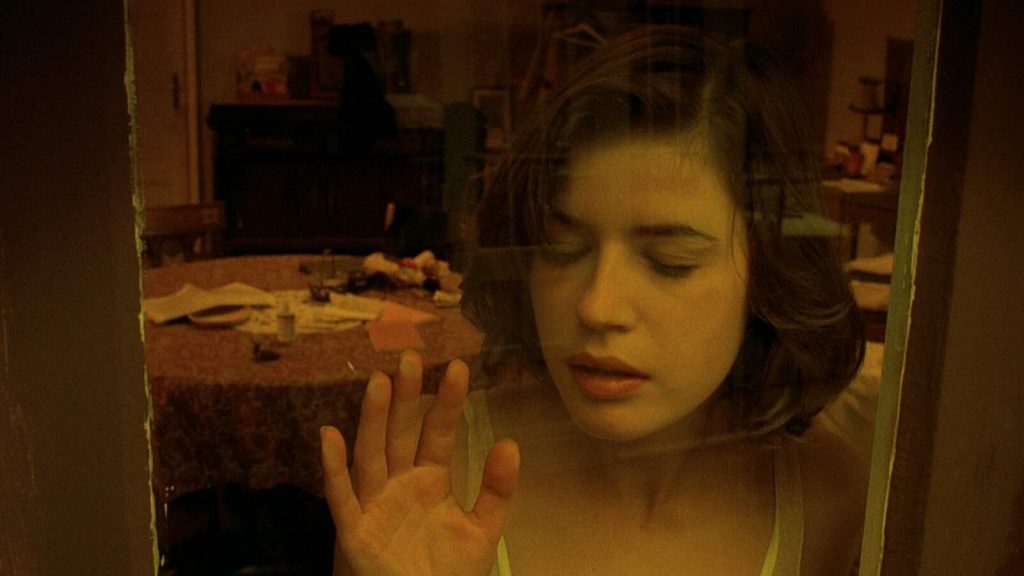
The Double Life of Veronique
Krzysztof Kieślowski / 1991 / 98min / 4K DCP
Sunday, May 3 at 3:00 PM
Aero Theatre
1328 Montana Ave, Santa Monica, CA90403
Introduction by Annette Insdorf, Columbia University Film Professor and author of “Double Lives, Second Chances: The Cinema of Krzysztof Kieślowski.”
The film that introduced Kieślowski to an international audience, metaphysical mystery The Double Life of Véronique features Irène Jacob in a double role, playing Weronika, a soprano in a Polish choir, and Véronique, a French music teacher. The two doppelgangers meet only once yet share a deep synchronicity.
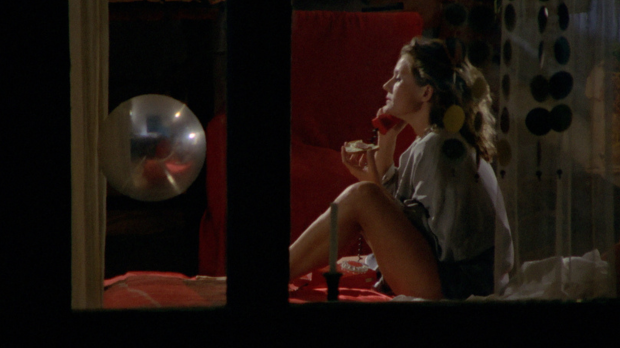
A Short Film About Love & A Short Film About Killing
Thursday, May 21 at 7:30 PM
Aero Theatre
1328 Montana Ave, Santa Monica, CA90403
Krzysztof Kieślowski / 1988 / 87min / DCP
An expanded version of episode VI in Dekalog, this film examines love, longing and sex through the story of a young postal worker who spies on a promiscuous woman.
Krzysztof Kieślowski / 1988 / 85min / DCP
A powerful expiation of episode V of Dekalog, A Short Film About Killing considers societal violence in its many forms through the story of an idealistic young lawyer and the brutal murderer he is called to defend.
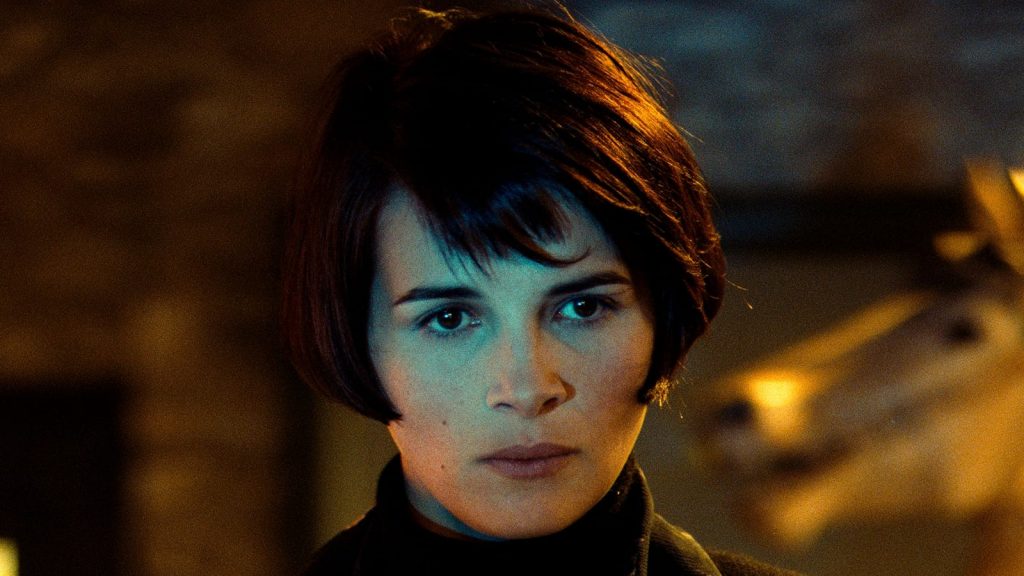
Three Colors: Blue
Krzysztof Kieślowski / 1993 / 94min / DCP
Sunday, May 17 at 5:00 PM
Egyptian Theatre
6712 Hollywood Blvd, Los Angeles, CA90028
In the devastating first film of the Three Colors trilogy, Juliette Binoche gives a tour de force performance as Julie, a woman reeling from the tragic death of her husband and young daughter. But Blue is more than just a blistering study of grief; it’s also a tale of liberation, as Julie attempts to free herself from the past while confronting truths about the life of her late husband, a composer.

Three Colors: White
Krzysztof Kieślowski / 1994 / 92min / DCP
Sunday, May 17 at 6:43 PM
Egyptian Theatre
6712 Hollywood Blvd, Los Angeles, CA90028
Q&A with actor Julie Delpy
The most playful and also the grittiest of Kieślowski’s Three Colors films follows the adventures of Karol Karol (Zbigniew Zamachowski), a Polish immigrant living in France. The hapless hairdresser opts to leave Paris for his native Warsaw when his wife (Julie Delpy) sues him for divorce and then frames him for arson after setting her own salon ablaze. White, which goes on to chronicle Karol Karol’s elaborate revenge plot, manages to be both a ticklish dark comedy about the economic inequalities of Eastern and Western Europe and a sublime reverie about twisted love.

Three Colors: Red
Krzysztof Kieślowski / 1994 / 99min / DCP
Sunday, May 17 at 8:44 PM
Egyptian Theatre
6712 Hollywood Blvd, Los Angeles, CA90028
Kieślowski closes his Three Colors trilogy in grand fashion, with an incandescent meditation on fate and chance, starring Irène Jacob as a sweet-souled yet somber runway model in Geneva whose life dramatically intersects with that of a bitter retired judge, played by Jean‑Louis Trintignant. Meanwhile, just down the street, a seemingly unrelated story of jealousy and betrayal unfolds. Red is an intimate look at forged connections and a splendid final statement from a remarkable filmmaker at the height of his powers.
Blind Chance
Wednesday, May 20 at 7:00 PM
Los Feliz Theatre
1822 N Vermont Ave, Los Angeles, CA90027
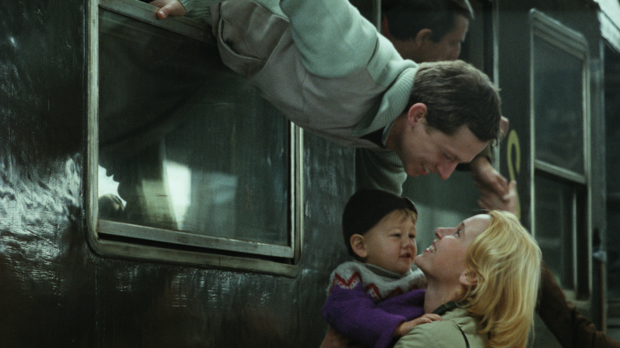
Uncertain as to where his future lies after his father’s death robs him of his sense of vocation, medical student Witek (Bogusław Linda) impulsively decides to catch a train to Warsaw. Kieślowski’s triptych film shows three possible outcomes branching off from this pivotal moment, with our protagonist alternately joining the Communist Party, joining the anti-Communist resistance, or resuming his studies with renewed vigor, and facing further adversities in every case. Suppressed by Polish authorities on its completion in 1981, Blind Chance would only surface six years later, in a compromised form, in the Un Certain Regard section of the Cannes Film Festival.
Krzysztof Kieślowski Documentary Shorts Program
Friday, May 29 at 4:00 PM
Los Feliz Theatre
1822 N Vermont Ave, Los Angeles, CA90027
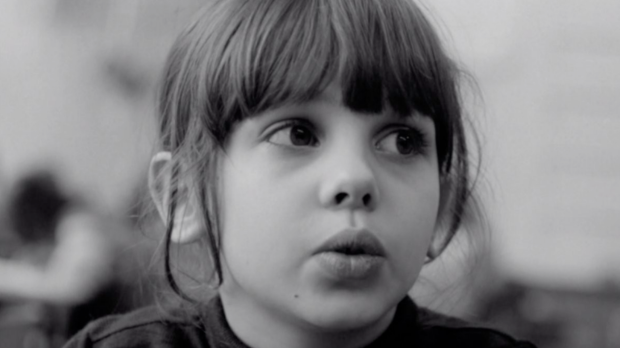
A program of Kieślowski’s short nonfiction films, where the same dedication as found in his fiction work. Includes The Office, an early study in bureaucratic torment produced while the director was still at Łódź Film School; I Was a Soldier, a platform for blind veterans to recall their experiences and recount their dreams; From a Night Porter’s Point of View, a 17-minute interview with a highly opinionated minor security functionary who revels in the small portion of authority he enjoys; Hospital, an immersion into 24 hours in the life in an overcrowded and underfunded Warsaw emergency room; Talking Heads, in which 79 interviewees from various walks of life and of all ages answer same questions; and Railway Station, trying to photograph ‘lost’ people” at the Warsaw Central Railway Station.
Dekalog: One & Two
Sunday, Jun 14 at 7:00 PM
Los Feliz Theatre
1822 N Vermont Ave, Los Angeles, CA90027
Introduction by film critic, educator and scholar Doug Cummings.
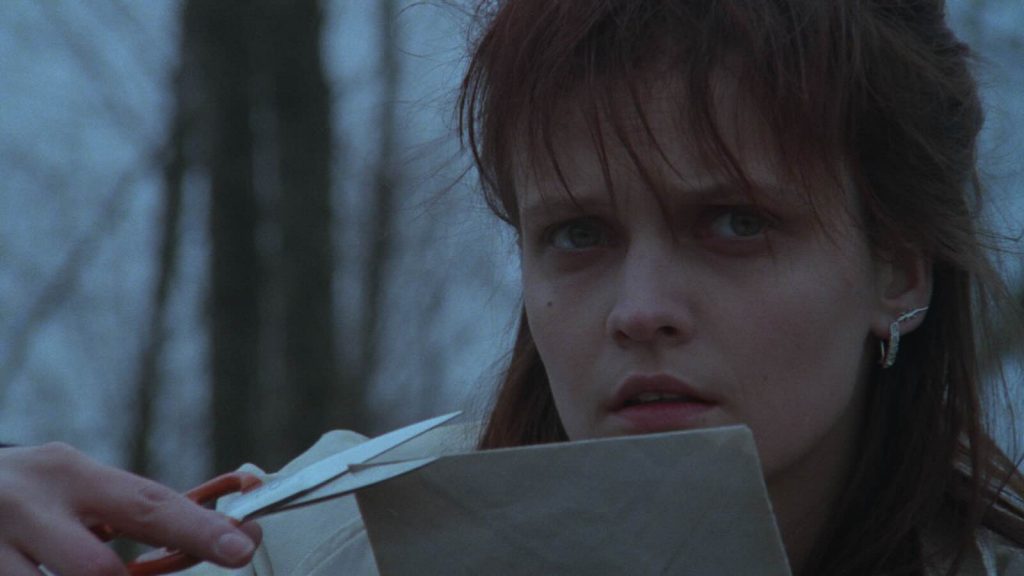
Dekalog focuses on the residents of a housing complex in late-Communist Poland, whose lives become subtly intertwined as they face emotional dilemmas that are at once deeply personal and universally human. Its ten hour-long films, drawing from the Ten Commandments for thematic inspiration and an overarching structure, grapple deftly with complex moral and existential questions concerning life, death, love, hate, truth, and the passage of time.
Dekalog: Three & Four
Sunday, Jun 21 at 7:00 PM
Los Feliz Theatre
1822 N Vermont Ave, Los Angeles, CA90027
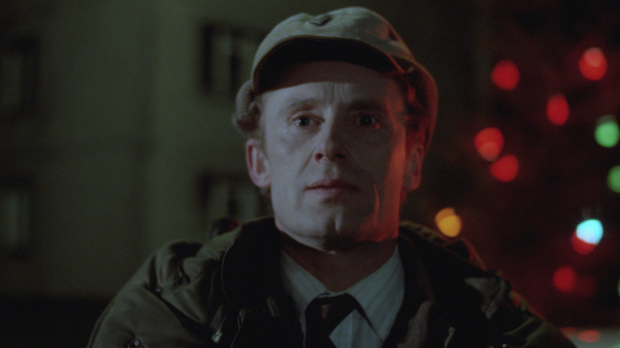
The first four episodes of Kieślowski and co-writer Krzysztof Piesiewicz’s serial masterwork. Each episode inspired by one of the Ten Commandments, focused on a resident or residents of a single late-Communist era housing complex, and exploring the difficulties that arise in following ancient proscriptions in a complex contemporary world.
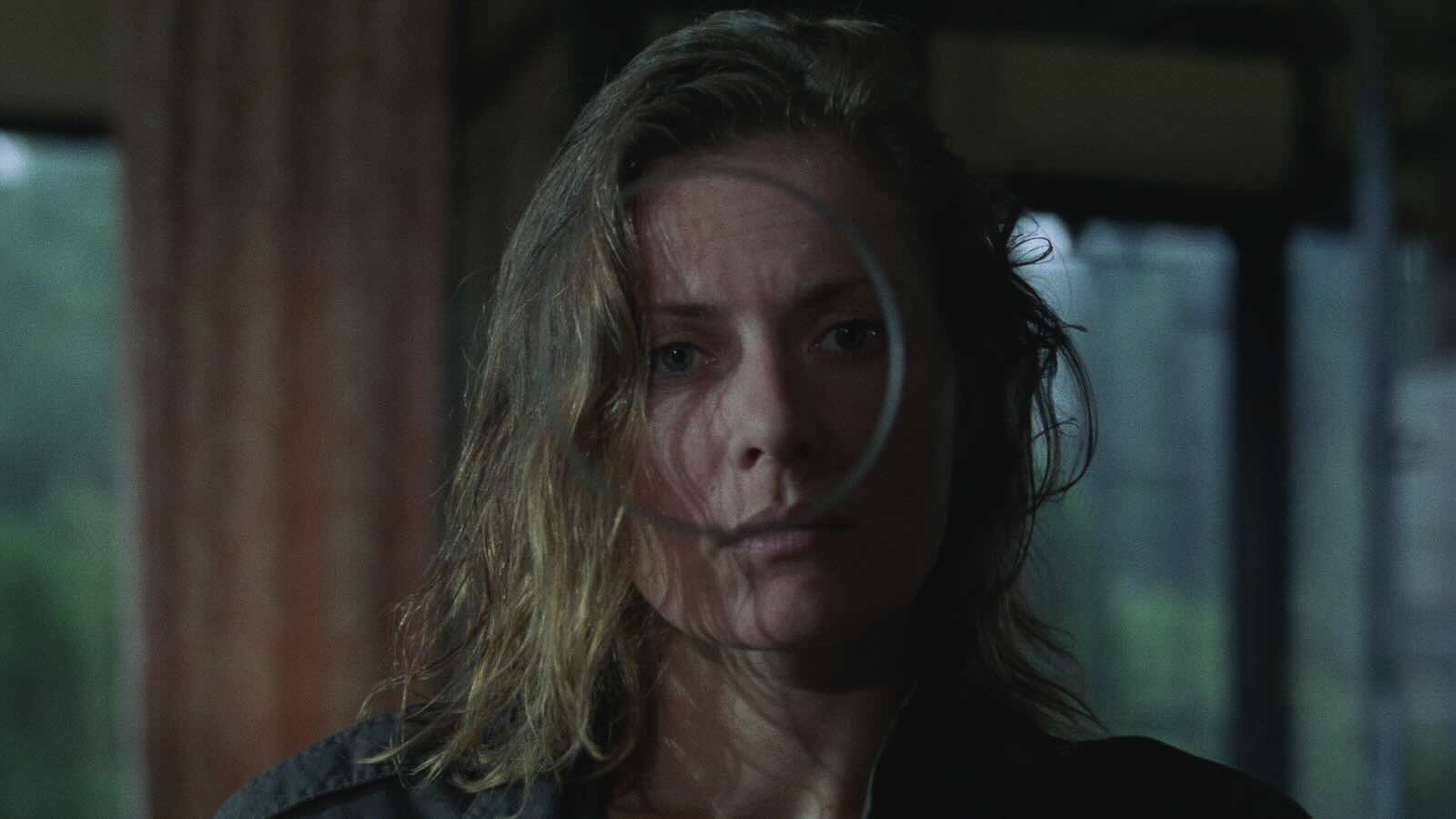
Dekalog: Five & Six
Sunday, June 28 at 10:00 PM
Los Feliz Theatre
1822 N Vermont Ave, Los Angeles, CA90027
The fifth and sixth episodes—titled, respectively, Thou Shall Not Kill, later expanded on in Kieślowski’s A Short Film About Killing, and Thou Shall Not Commit Adultery, expanded as A Short Film About Love—are perhaps the most celebrated entries in the Dekalog.
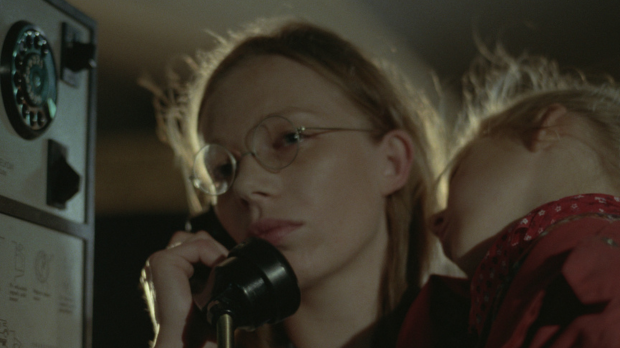
Dekalog: Seven & Eight
Sunday, July 5 at 7:00 PM
Los Feliz Theatre
1822 N Vermont Ave, Los Angeles, CA90027
No less compelling, and ethically knotty, however, is the seventh chapter, Thou Shalt Not Steal, in which the disputed “property” in question is a six-year-old girl caught in a tug-of-war custody battle between her grandmother and mother, which soon crosses over the line of legality. In the eight episode, Thou Shalt Not Bear False Witness, an ethics professor reflects on the unexpected consequences of failing to help a Jewish girl during the war.
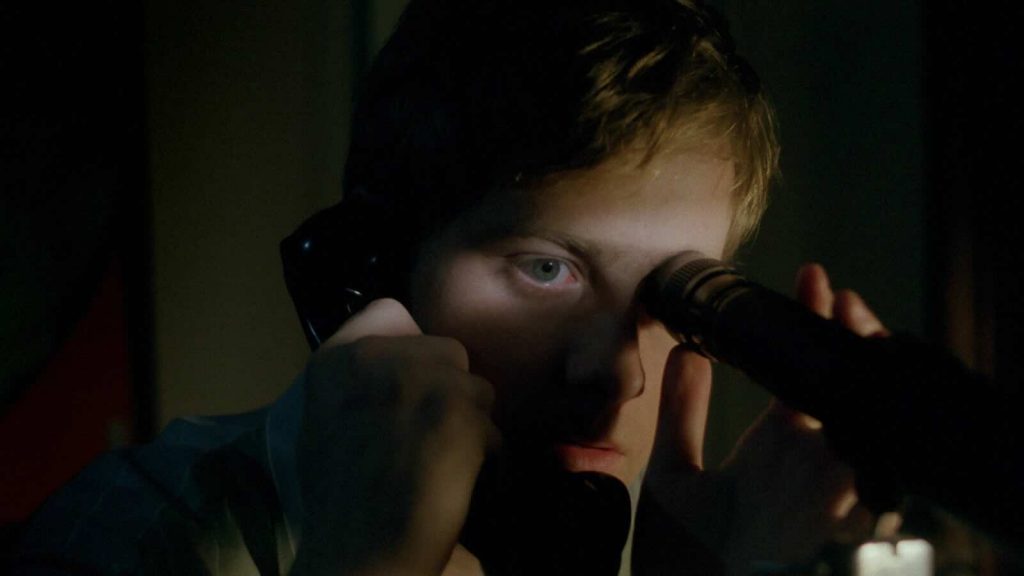
Dekalog: Nine & Ten
Sunday, July 12 at 7:00 PM
Los Feliz Theatre
1822 N Vermont Ave, Los Angeles, CA90027
Monumental serial counts down the remaining Thou Shalt Not Covet Thy Neighbor’s Wife and Thou Shalt Not Covet Thy Neighbor’s Goods. In the tragicomic Covet Thy Neighbor’s Wife, an impotent middle-aged man urges his wife to take a lover and bitterly regrets it. In the final chapter, two sons inherit their late father’s valuable stamp collection and become dangerously obsessed with it. Together they form the capstone to one of cinema’s most majestic works, despite its television origins.
The Polish Cultural Institute New York presents a retrospective in partnership with the American Cinematheque.