

Dates: 25 April – 1 June 2025, Location: Hundred Heroines Museum, Nailsworth, Gloucestershire

Exploring themes of gender, mental health, creativity, and exile, the exhibitions present a powerful reimagining of Sophie’s story – one shaped by brilliance, resilience, and historical neglect.
Born in Galicia, then part of the Austria-Hungary, Sophie Gaudier-Brzeska lived and worked across Europe and the US, writing in English, French and her native Polish, and resisting the limitations imposed by early 20th-century societal norms. Despite her significant output – including an 800-page diary, short stories, poetry, social commentary, and a novel – most of her work remains unpublished and largely unknown.
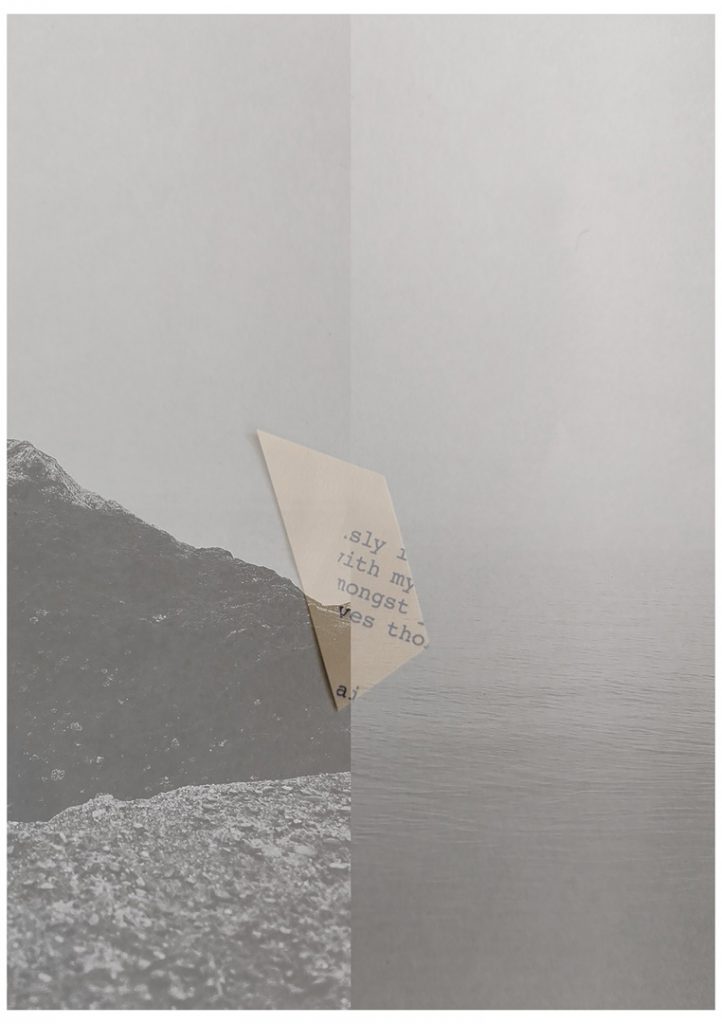
Responding to Sophie’s life and writings, three distinct yet interlinked exhibitions offer new perspectives on her creative legacy:
I Also Fight Windmills
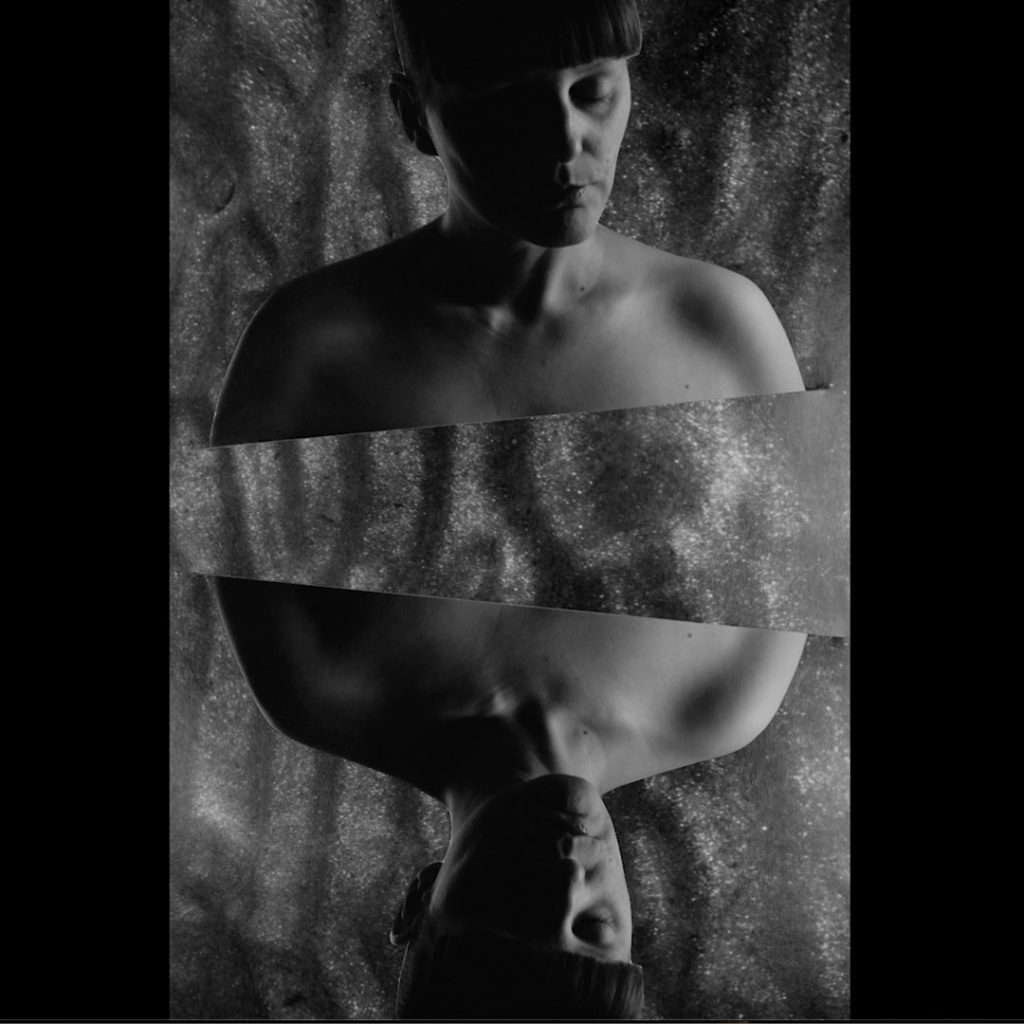
A photographic series by Polish-British artist Ania Ready, drawing on the writings of modernist author Sophie Gaudier-Brzeska. The title echoes Sophie’s defiant self-comparison to Don Quixote – “I also fight windmills” – capturing her creative resilience in the face of marginalisation. Inspired by Sophie’s life as a migrant woman navigating Paris, New York and London in pursuit of a literary career, the series explores themes of displacement, artistic ambition, emotional isolation and mental health. Through staged, black-and-white images of cinematographic quality, Ready employs impersonation and performative photography to reimagine Sophie’s story and reflect on the societal constraints and psychological struggles she endured. The series was published as a photobook in 2023 under the same title.
We Also Fight Windmills
An international collaboration led by Ania Ready, featuring nearly 30 artists and writers from seven countries who responded to the contents of I Also Fight Windmills photobook. The project spans photography, collage, poetry, drawing and embroidery, forming a moving collective response to Sophie’s experiences and the enduring relevance of her voice.
Hysterical Women (Projection)
Presented by the T¡T Collective – a network of Polish women photographers – this video installation channels the themes of hysteria, identity, and gender through self-portraiture, inspired by Sophie’s novel written in Polish entitled Hysterical Women.
Running through to 1 June, the exhibition is accompanied by a public programme, including a talk by Ania Ready (10 May) on her book I Also Fight Windmills and a presentation by Laia Abril on On Mass Hysteria. Expect thoughtful discussion, creative exchange, and even Polish tea and cake.
Join us in rediscovering a forgotten voice, and celebrating contemporary creativity across borders, generations, and disciplines.
These events form part of the centenary commemorations of Sophie Gaudier-Brzeska’s death in 1925, in a mental asylum in Gloucester.
Opening times: Friday – Sunday ( 11am – 4 pm)
Find out more: HERE
Kreative Talk with Masaya Inaba 🗓
Wojtek Mazolewski presents his Solo album live in the