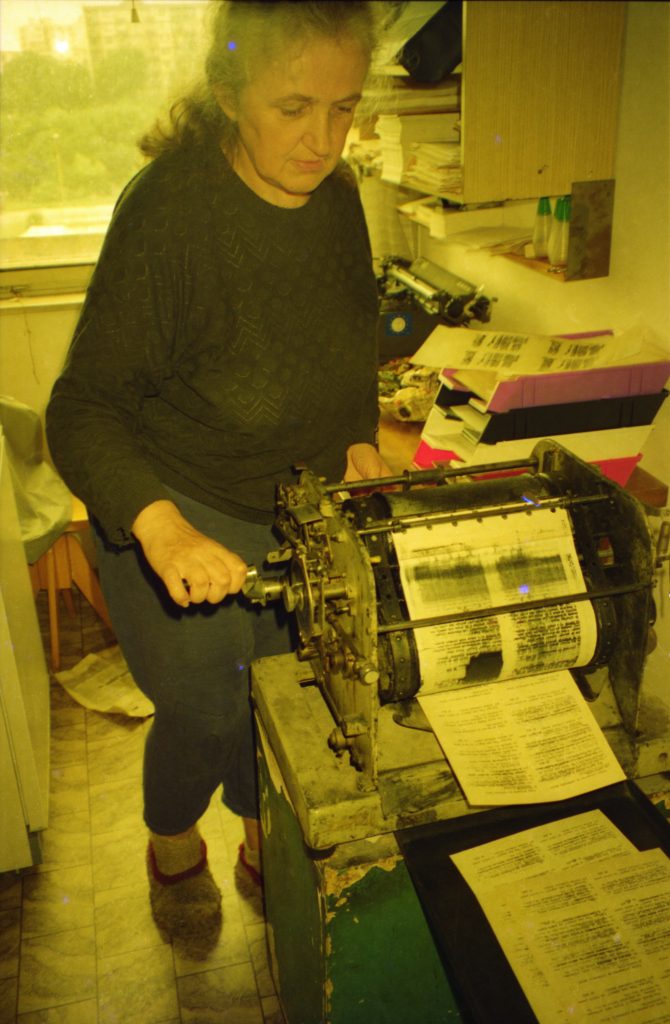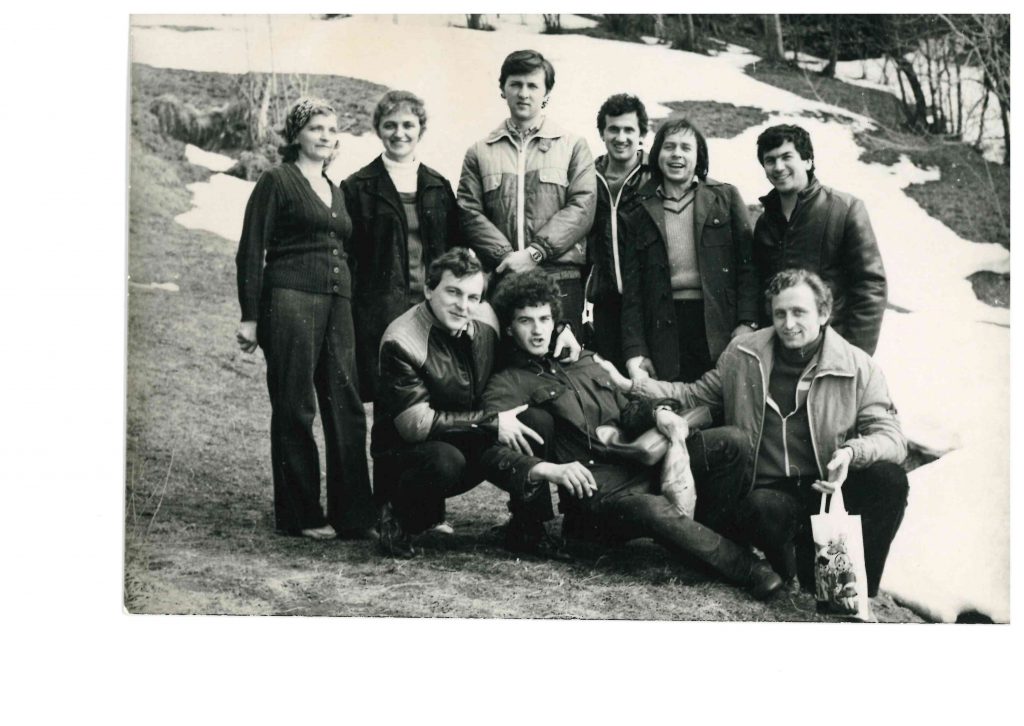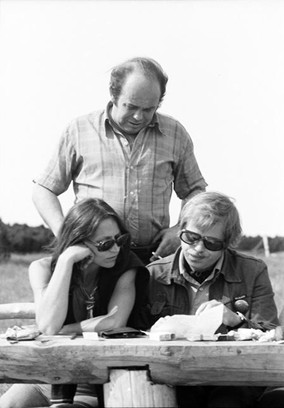


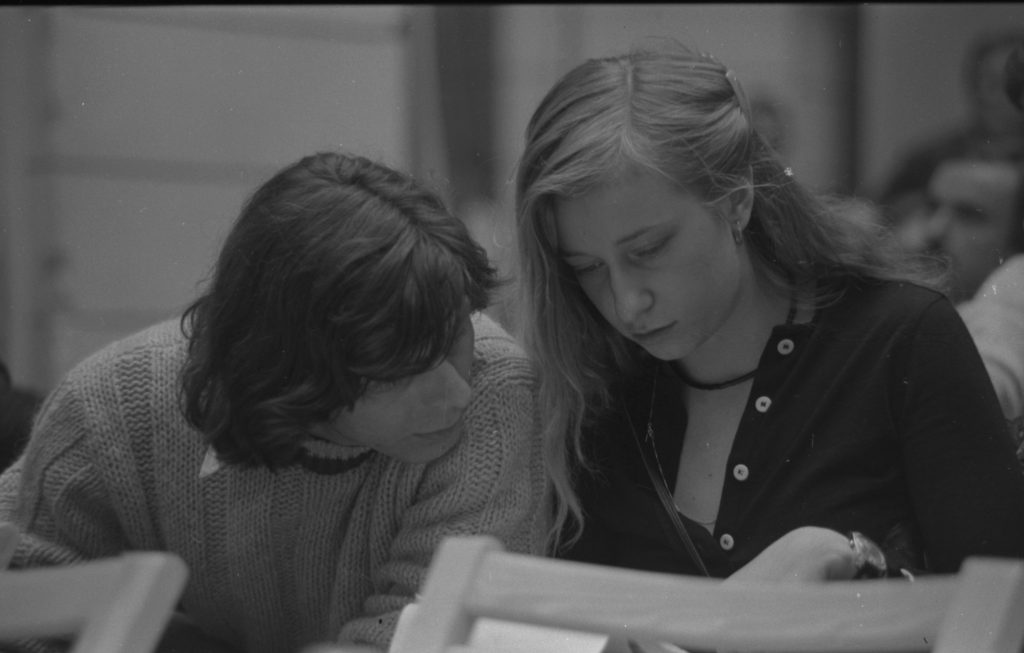
Conspiracy was key to the success of the anti-communist dissent; without the secrecy, it would not have survived. Women were also involved in establishing connections, organizing meetings of dissidents, and creating networks of apartments or houses where it was possible to hide or work on samizdat magazines and publications. Conspiratorial methods varied: from the use of false documents and disguises to pseudonyms and agreed passwords.
Ewa Kulik: „The rule was that no one knew anything – we didn’t know who we were hiding with, and the apartment owners didn’t know who they were providing shelter to. We divided Warsaw into areas. To ensure that no one was caught during the move, we made sure that the entire structure was in one neighborhood, so it was easier to move around. We stayed in one place for about three weeks“. Interview with Ewa Kulik, Wysokie Obcasy, 30 August 2020
Eva „Trúda“ Vidlařová: „When they wanted to arrest you, you were followed for two or three days. You already knew that someone was following you. But in my case, it was ten days. I didn’t know what was going on, so I decided to hide. And so, I crawled through the city, weaving my way through everywhere, walking through underpasses and basements. I ended up at a friend’s place, who let me sleep over. In the morning, we decided to go to Freedom Square, but they wouldn’t let me in. As soon as I opened the door, they grabbed me. They knew exactly where I was – I don’t understand how“
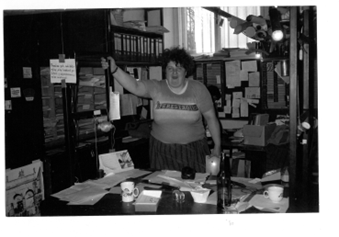
Eva „Trúda“ Vidlařová at the Theatre on a String. Source: Private archive of E. Vidlařová
Source: Archiv of Ośrodek KARTA/Independent Polish Agency