
CONNECTIONS
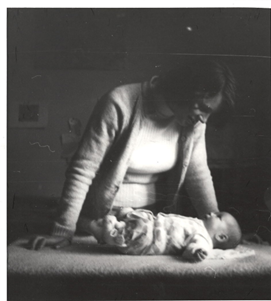
When distributing „illegal“ printed materials, women often came up with tricks that the secret police failed to detect. Who would have thought that a mother pushing a pram with a small child had typewritten documents under the blanket, or that the large belly under her dress was not a pregnant one but full of leaflets? Smuggling also took place across the green borders within the Soviet bloc and across the Iron Curtain. Polish, Czech, and Slovak dissent activists exchanged backpacks full of banned materials.
In Poland, women were called samizdat dromedaries due to their „pregnant bellies.“ But that wasn’t the only way to smuggle. Jadwiga Chmielowska liked to use stereotypes and prejudices associated with the so-called weaker sex: „Being a woman helped me many times. I dyed my hair and wore glasses. Sometimes I styled myself as a tired woman returning from work. Other times, I was a charming young lady who chirped in a high voice about dressing and cooking. Such disguises were useful and also increased my sense of security. No one suspected a sweet, naive girl of anti-regime activities or of carrying leaflets and banned books in her suitcase.“
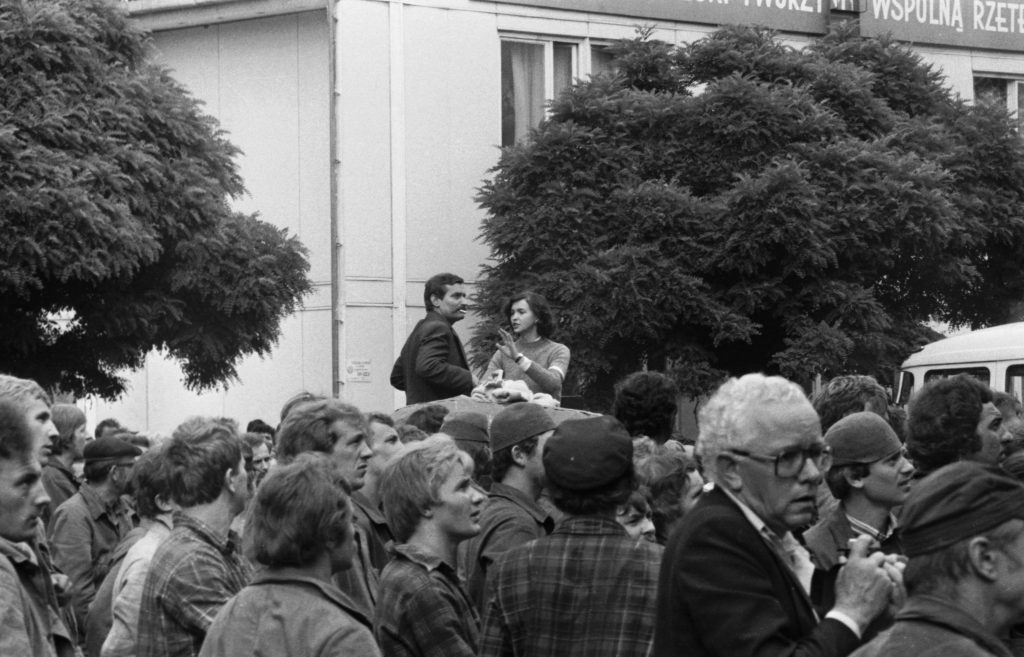
Ewa Ossowska: „It was a coincidence. A matter of fate. One day, I found a copy of Robotnik newspaper on a seat on the tram. I started reading it. There were addresses at the end. It turned out that Lech Wałęsa was my neighbor. I went to the address and said that I agreed with what they were writing. Leszek gave me illegal publications, which I distributed under cover of night in a stroller with my one-year-old son. I know it was dangerous, but I didn’t think about it at the time. It had to be done. So, I did it.“
Eva Joachimová: „I carried newborn Masha in a swaddle blanket that had a double bottom where all the documents were placed.“
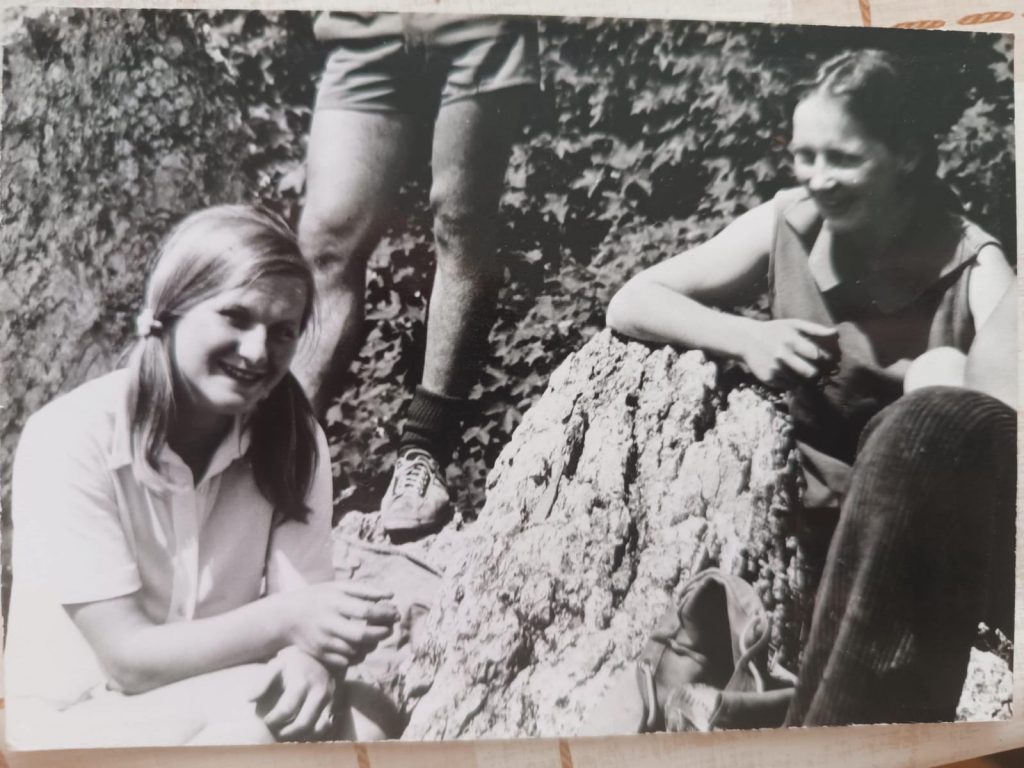
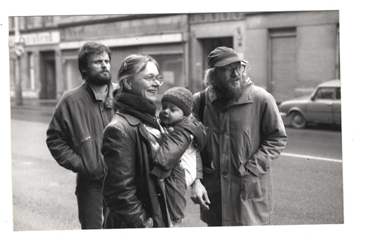
Source: Private archive of the Sládkovič family
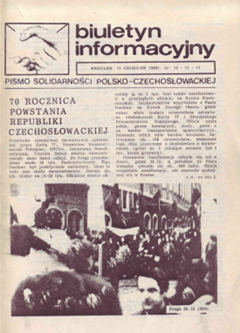
Nr. 10-11-12/1988, source: vons.cz