


IMPRISONED
Anti-regime activities were associated with enormous risk. House searches, interrogations, imprisonment, unjustified detention, dismissal from work, harassment, surveillance, intimidation, and blackmail with threats of harm to loved ones. Women were imprisoned just like men and received harsh sentences regardless of whether they were pregnant or caring for small children. For example, Drahomíra Šinoglová was sentenced to one year in prison for retyping samizdat publications. During her arrest in 1982, her six-month-old son was snatched from her arms and taken to a nursery by social workers.
Dorota Šimeková: „(…) The prosecution requested expert opinions from the rector of Comenius University, who at that time was Professor Kvasnička, and then from the Political School – from some colonels, who stated in their opinions that we were actually even a spy or military threat, that we were helping to prepare for World War III. This put us in a very dangerous position, and we were actually threatened with charges of „subversion of the republic“ and could have gone to prison for much longer, as in the 1950s.“
Ivanka Hyblerová: „I passed on materials about the trial to German television, French newspapers, and lawyers from the International Federation of Human Rights Leagues. (…) Breaking down the information barrier was very important to me. It was necessary for people on the other side of the Iron Curtain to learn what was happening here, and at the same time it was a source of hope for the imprisoned ones.“
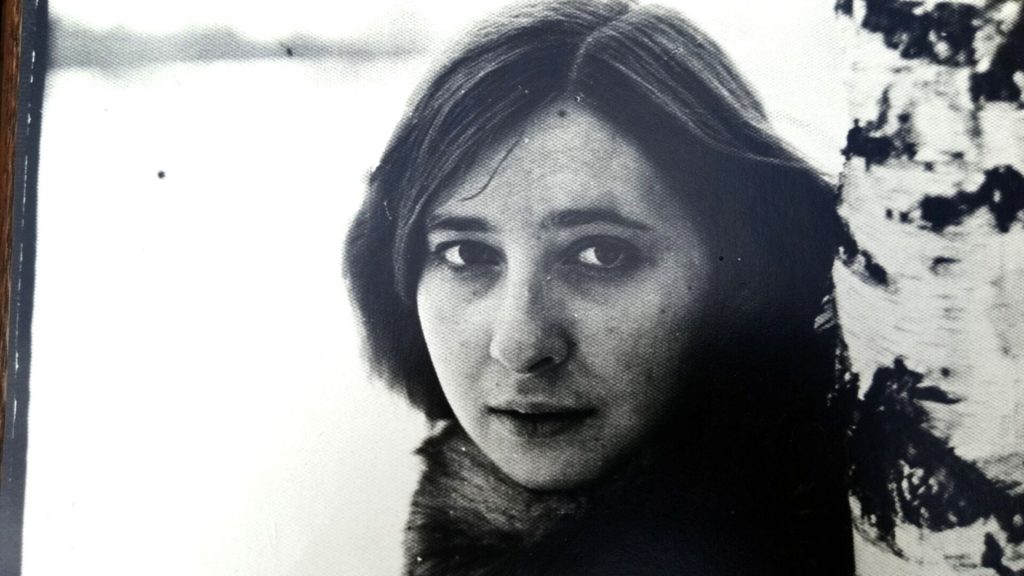
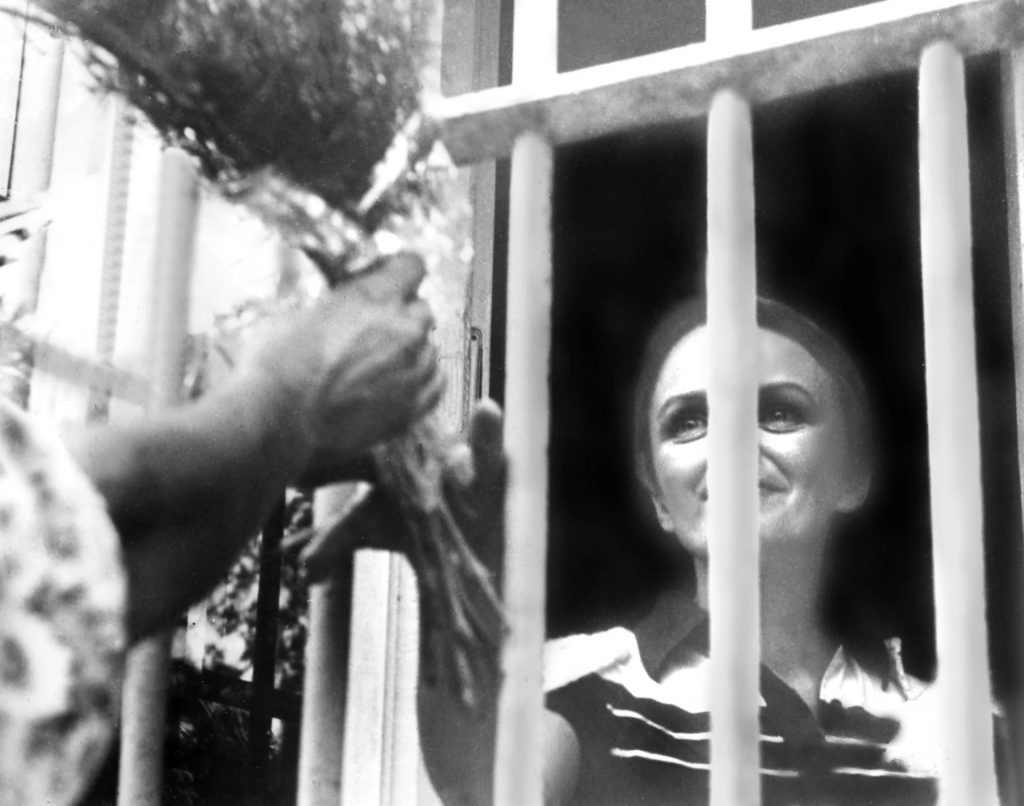
Source: No right to return, Publishing house Wektory
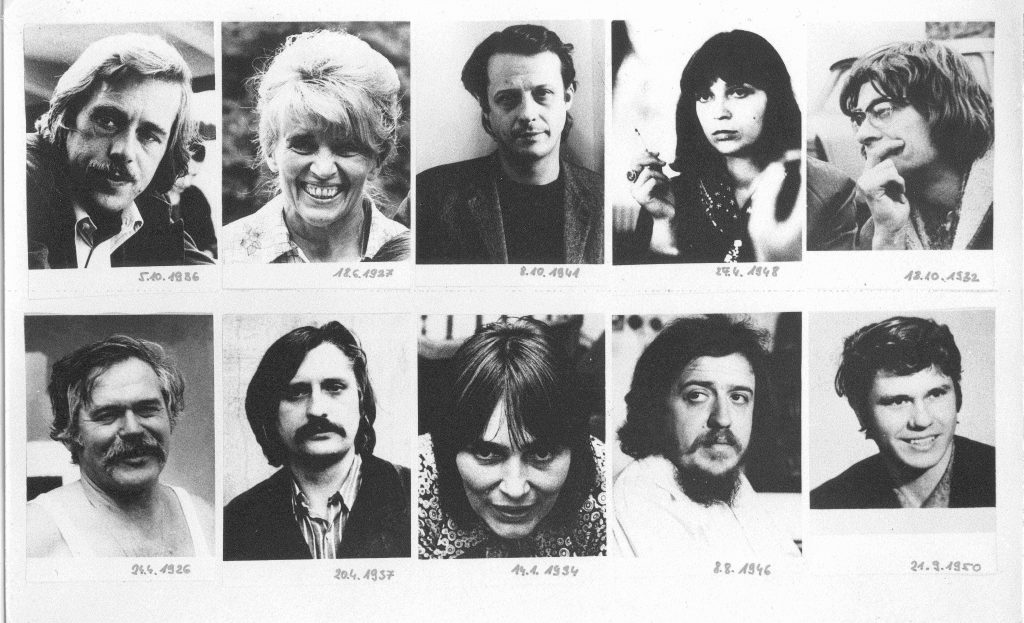
Source: Archive of Libri prohibiti
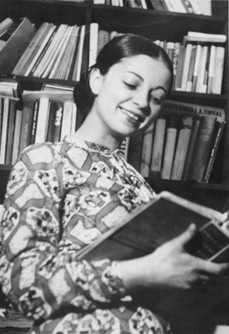
Source: Private archive of I. Lefeuvre Hyblerová
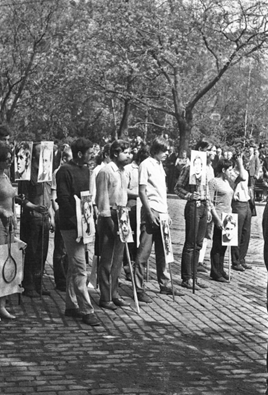
Source: Private archive of D. Šimeková