


They had a choice between a deceptively peaceful life or fighting for a better world. They chose the latter. They were willing to risk and sacrifice a lot for freedom. They formed a significant part of the dissent movement, and without them, the historic changes of 1989 would not have happened. Whether they lived in Poland or Czechoslovakia, they were united by their opposition to communist rule and their belief in the power of community, based on shared responsibility and solidarity.
They tried to intimidate them. They were subjected to house searches, interrogations, repeated arrests, and imprisonment. Their families and marriages were at stake. They were not allowed to study freely or choose their own jobs. The secret police tried everything they could to suppress their activities. They failed.
Initiators, conspirators, editors, couriers, leaders. Some of them became symbols, but many have been forgotten. This exhibition aims to recall some of their stories – so that we can learn about the past and understand the present. So that we realize that freedom is not taken for granted.
Ewa Ossowska: „We all wanted freedom with a capital F.“
Barbara Labuda: „It was difficult for us. Very difficult. We were cut off from the world, intimidated, our children were taken away from us. But we did it for the idea. And we also helped to create that idea.“
Marie Rút Křížková: „We were relentless and didn’t let ourselves be deterred.“
Ľudmila Pastierová: „For me, dissident mothers are great heroines. Having an imprisoned husband, talented children who are not allowed to study, existential financial problems, because it is difficult to live on a cleaning lady’s salary, and on top of all that, these women persevered, did not change their minds, and resisted the incredible pressure.“
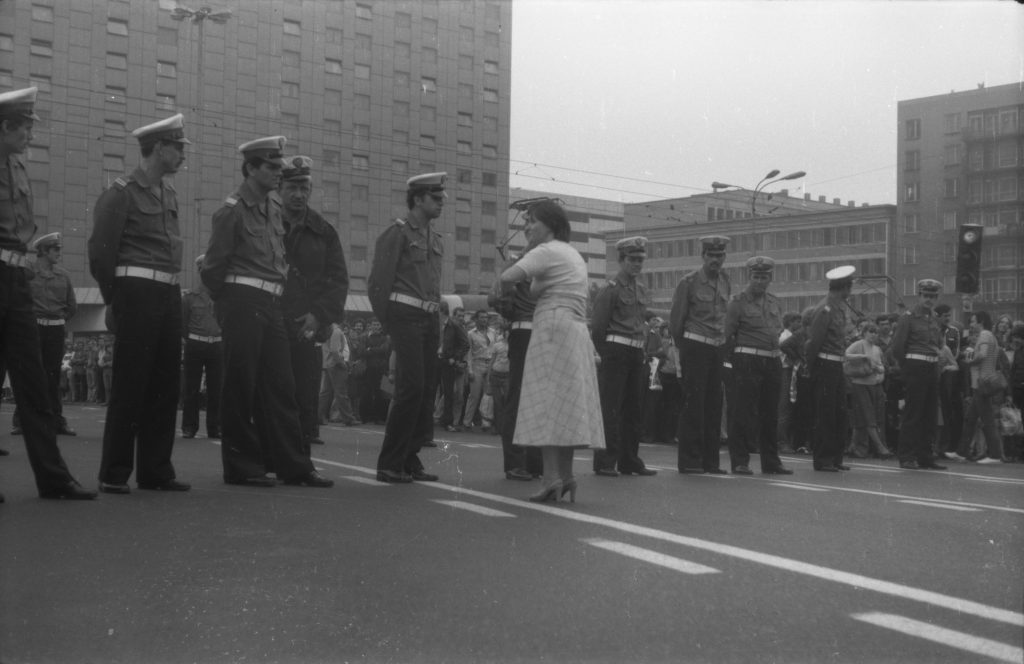
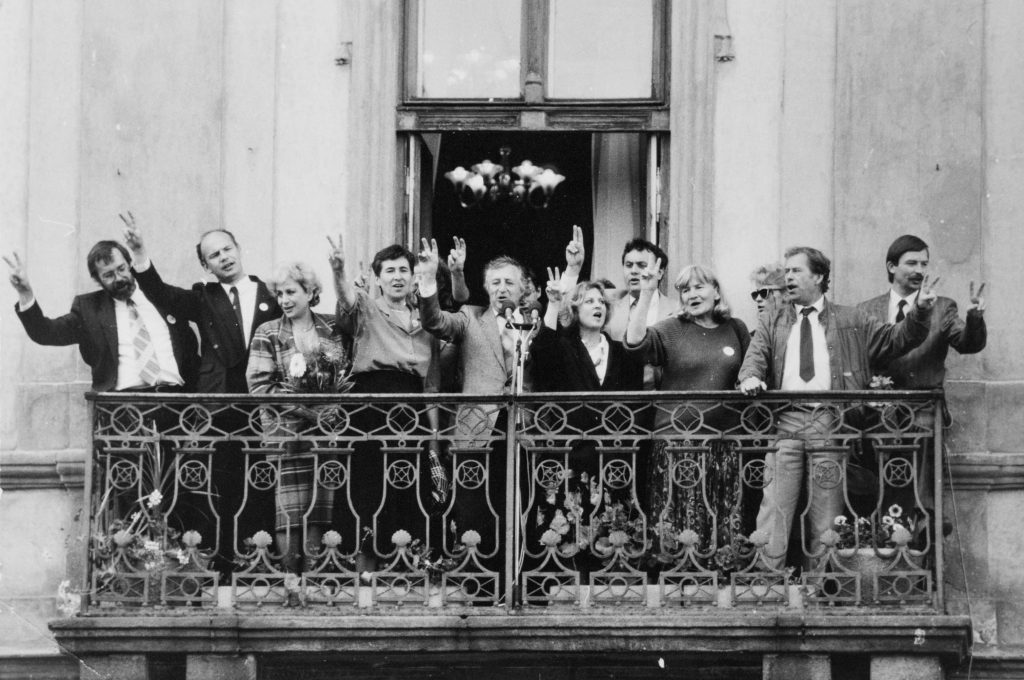
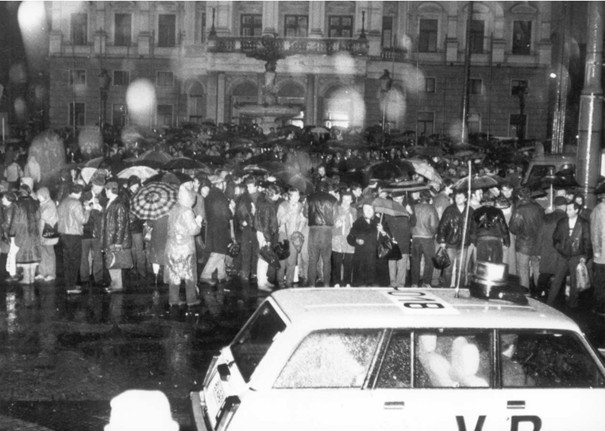
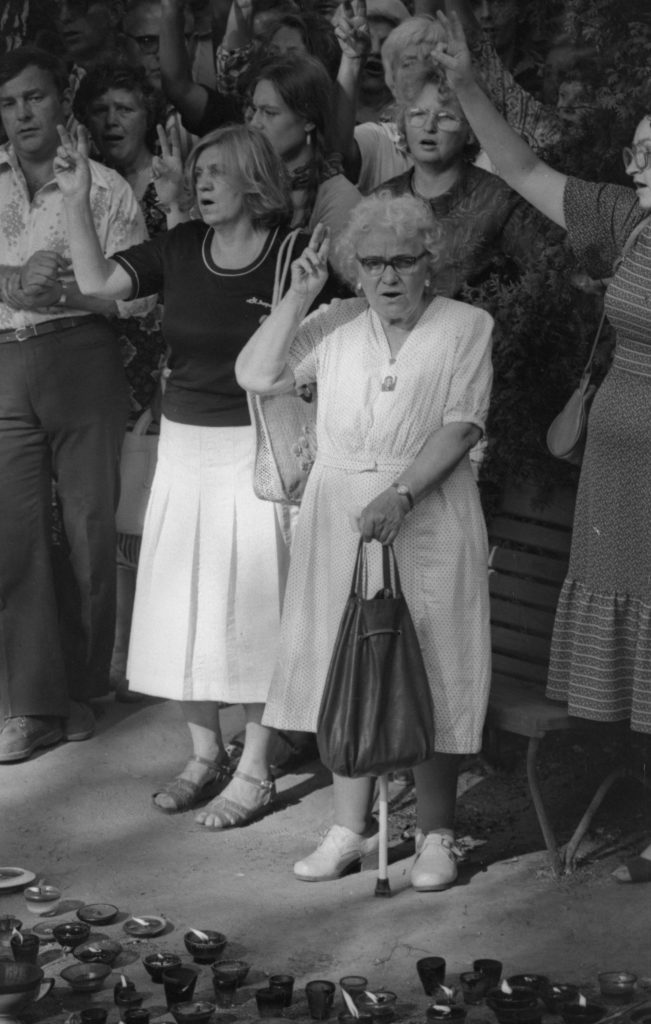
Participants in a Solidarity demonstration during the state of emergency declared by General Jaruzelski to suppress the Polish opposition. Warsaw, 31 August 1982, Archive of Ośrodek KARTA, photo by Maciej Czarnocki