


CAREGIVERS
In the 1970s and 1980s, caring for the household and family was, with few exceptions, the domain of women. The communist regime also wanted to control motherhood and child-rearing. Even an alternative approach to family life was a form of opposition to the system. Private spaces such as apartments, houses, or cottages became centers of dissent. Many women provided meeting places and hiding places for wanted persons. They organized fundraisers and assistance for prisoners and their families. During meetings or strikes, they also took care of practical matters such as preparing food. They were prepared to look after the children of those who had been imprisoned. Many dissidents were able to devote themselves fully to opposition activities thanks to the women who supported them and took care of their households and children.
Anna Budajová: „My husband relied on me, I was always hospitable and helped him. He did his job to the fullest and I functioned as his wife and permanent service. I loved doing it. I baked cakes, cooked soups, covered up illegal activities, transcribed samizdat publications…“
Eva Joachimová: „There were lots of small children among the Charter signatories, and social workers were constantly coming and going, so they always made sure that everything was okay. There was a great sense of solidarity among everyone. When Dana and Jirka Němec were arrested, their children were left alone at home. I visited the Němec family every day, and there were always lots of people there. When I arrived, potato soup had been cooked, I brought a cake, the children had their homework written down and clean clothes for the next day.“
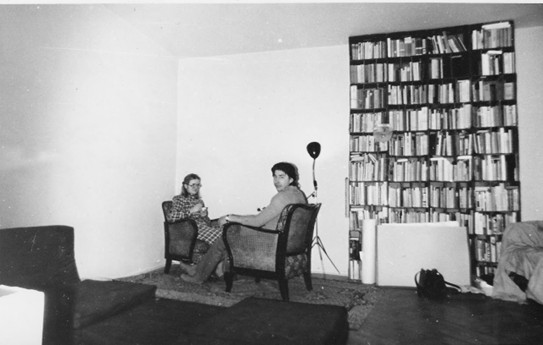
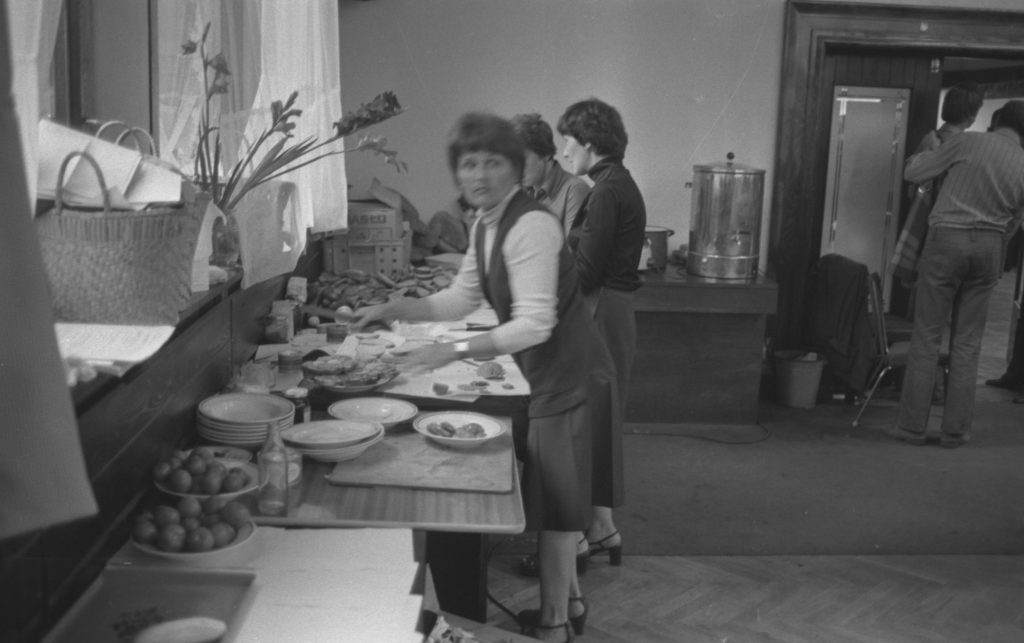
Source: Archive of Karta, photo by Zbigniew Trybek
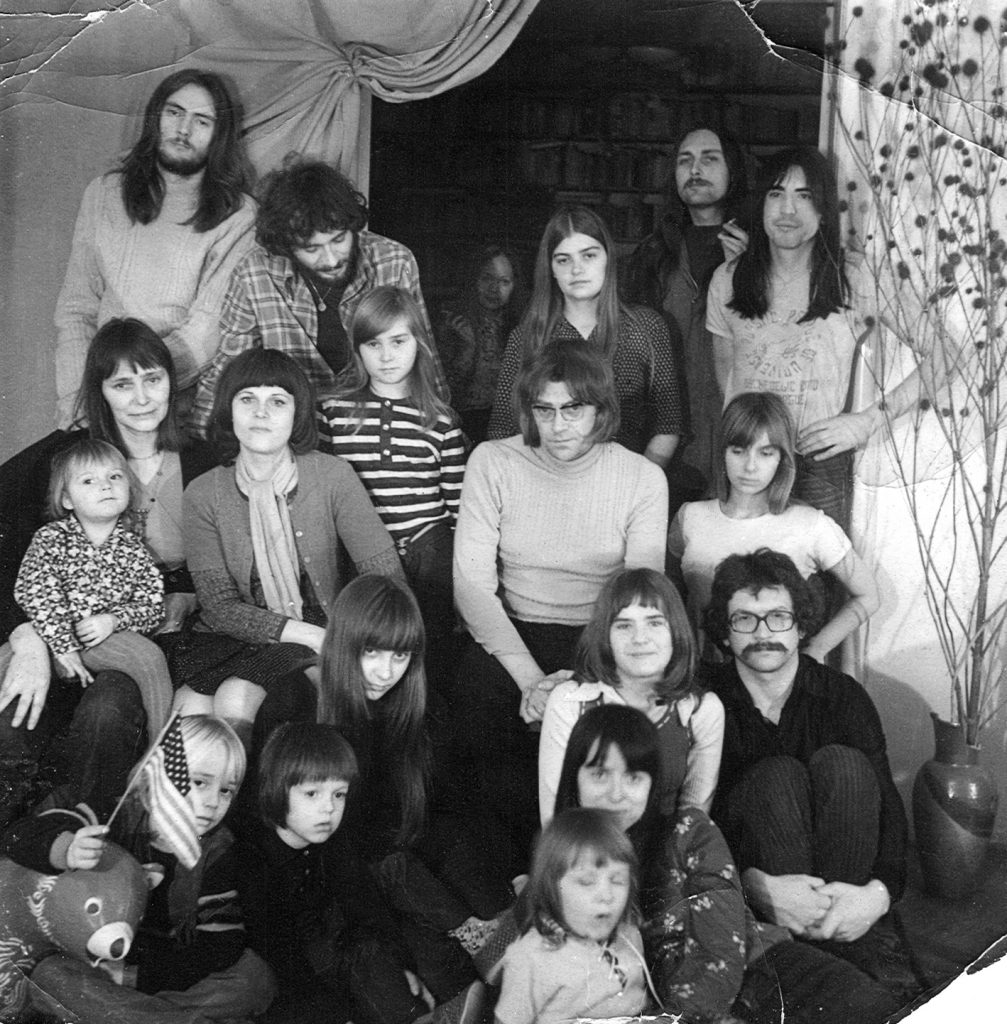
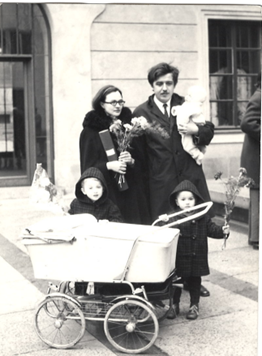
Source: Private archive of K. Bendová