


Communist states controlled their citizens in every aspect of their lives – faith was one of them. In Czechoslovakia, after harsh persecution in the 1950s and the targeted destruction of religious orders, a free underground church emerged. Women were actively involved in organizing education and secret meetings, working with children and young people, and participating in the creation and transcription of samizdat religious magazines and books. They ended up in prison under the law on obstruction of supervision of churches and religious societies.
The Czechoslovak communist state used women’s orders in charitable and social work. Meanwhile, nuns pointed out that the law on religious freedom existed only on paper. The wives of Greek Catholic and Protestant priests were also persecuted. The Polish Catholic Church formed a strong opposition to the communist regime. It was an institution that had the opportunity to support dissidents financially, hide them, and organize exhibitions and meetings in churches.
„Here in Europe, we tend to have traditional models of the church and carry within us a fear of the freedom of others. Men may not even realize this and are losing out on the great potential of active women. In the spiritual realm, however, there should be no division between men and women, no „dos and don’ts,“ no power considerations, but rather a joy in each other’s charismatic gifts.“
Ludmila Javorová in conversation with Zdeněk Jančařík in the book You Are a Priest Forever.
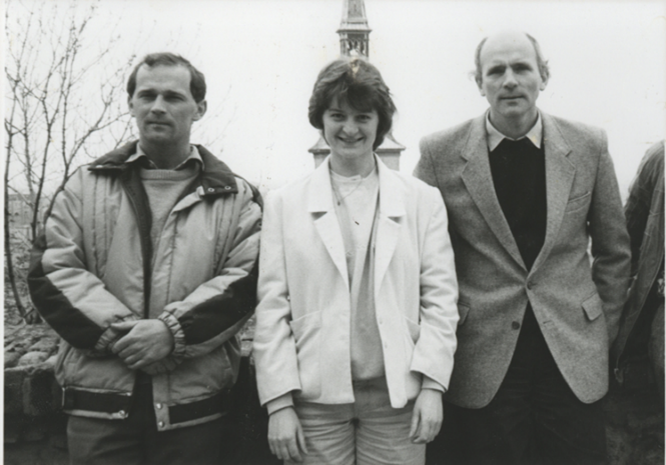
Source: J. Šimulčík, www.samizdat.sk
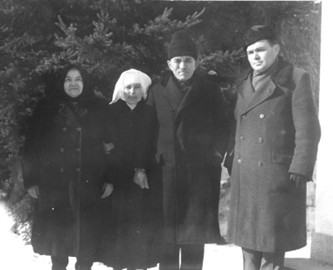
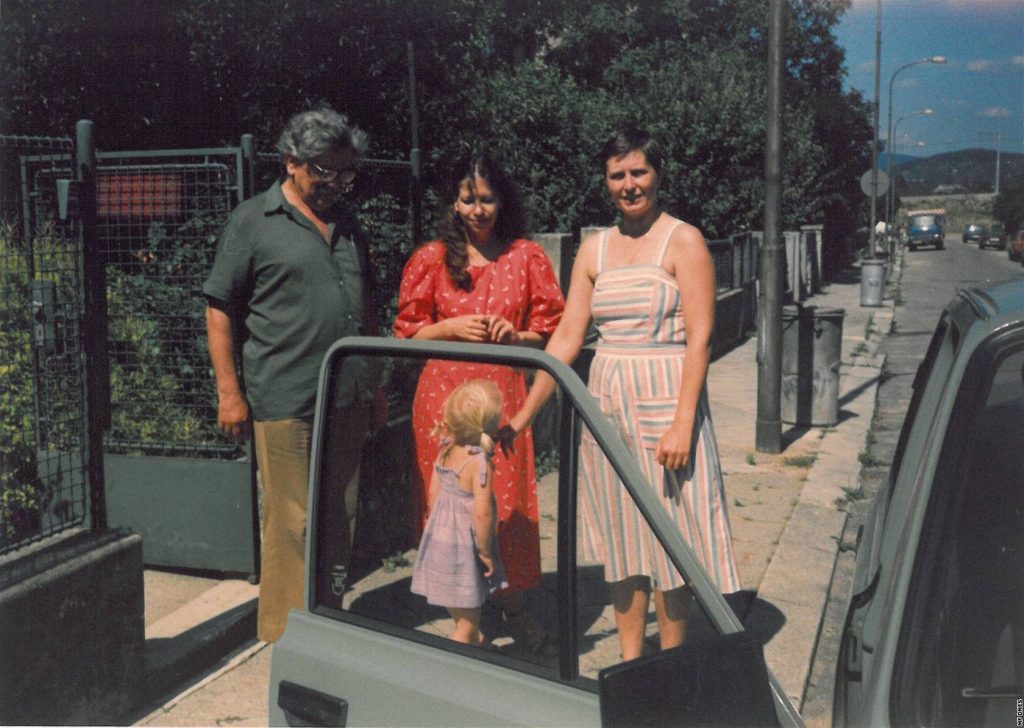
Source: Private archive of Iva Kotrlá
In the photo of the Koinótés community in Brno, fourth from the left in the back row is Ludmila Javorová. Source: Private archive of Ludmila Javorová
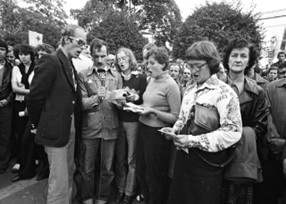
Photo by: Stanisław Składanowski
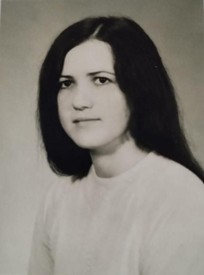
Mária Muráňová devoted herself to theological and philosophical education within the Slovak underground church. Her texts were secretly passed abroad, where they were published under the pseudonym Viktória Montana and smuggled back in book form. From the 1970s onwards, the so-called KLAPY courses were held for Christian seculars, combining spiritual, theological, philosophical, and practical training. Lectures on psychology were given by Judita Stempelová and Eva Klčovanská. From 1975, Emília Turičíková transcribed tape recordings and handwritten notes by the secret bishop J.C.Korec. To avoid possible detection, she did not attend meetings or pilgrimages. By 1990, she had transcribed approximately 15,000 pages