


An important part of the anti-communist dissent was made up of women. They were involved in all stages of the opposition struggle and played a significant role in key historical moments. In 1968, they participated in student demonstrations in Poland and in Czechoslovakia protesting against the Warsaw Pact troops occupation. They were involved in human rights movements, be it the Czechoslovak Charter 77 and the Committee for the Defense of the Unjustly Prosecuted (VONS) or the Polish Workers‘ Defense Committee (KOR). In August 1980, also thanks to the courage and determination of these women, independent trade unions – Poland’s Solidarity were formed after a strike at the Gdansk shipyards.
They co-authored samizdat publications, organized secret meetings and gatherings, and helped the persecuted ones. They had political intuition, the gift of speech, and endured persecution and harassment by the regime. Among them were Marta Kubišová, spokesperson for Charter 77, Zdena Tominová, member of the Bratislava Five, Hana Ponická, while the members of Solidarity Anna Walentynowicz, Joanna Duda-Gwiazda, and Barbara Labuda formed Catholic dissent like the nun Bernadeta Pánčiová.
Zdena Tominová: „I threw myself into it voluntarily. I knew I had an advantage, because I didn’t belong to any political group and could go around to different sections and seek the consensus that was so important for the Charter 77.“
Hana Ponická: „I can no longer bear to be ashamed that I am allowed to publish while others are not.“
Dana Němcová: „We all assumed that, as members of a state or national entity, we were responsible for the social and political environment in which we live.“
Joanna Duda-Gwiazda: „Our mission was to liberate Poland from the Soviet Union, to gain freedom and democracy.“
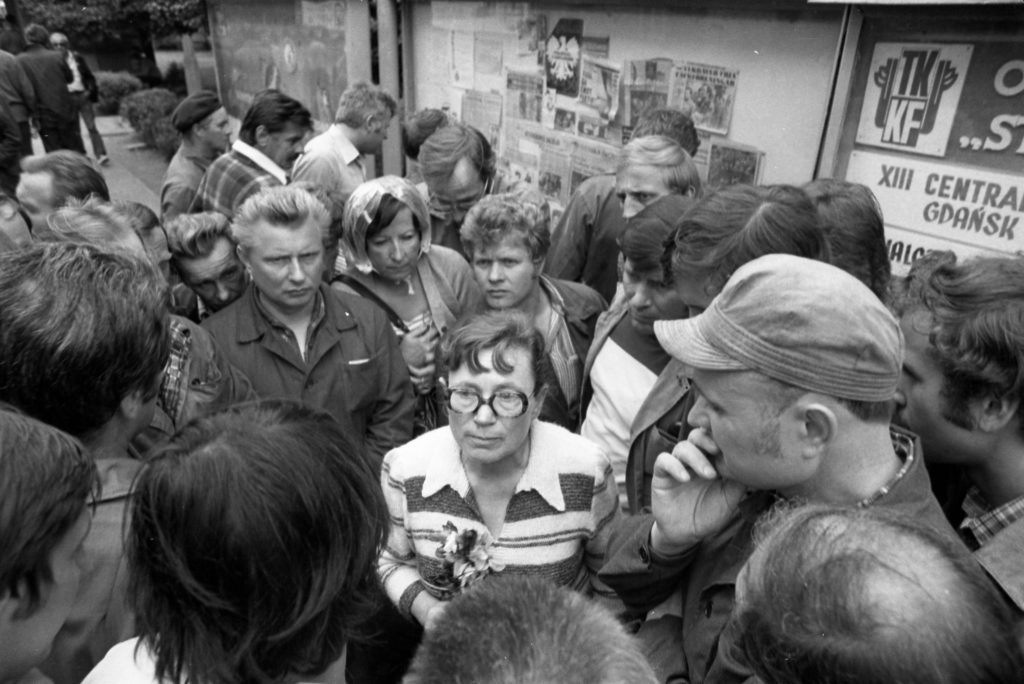
Source: Archive of Ośrodek KARTA, photo by Witold Górka
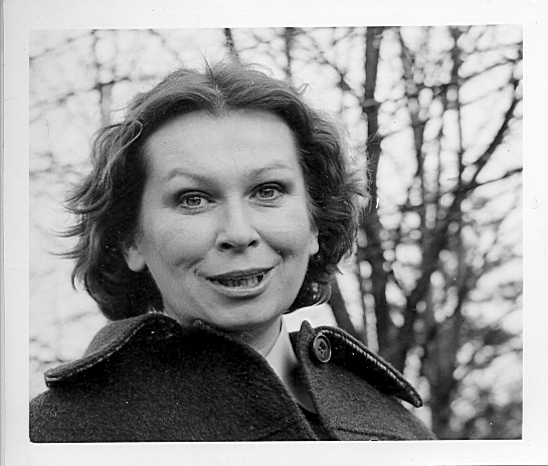
Source: Archive of Libri prohibiti, photo by Jiří Bednář
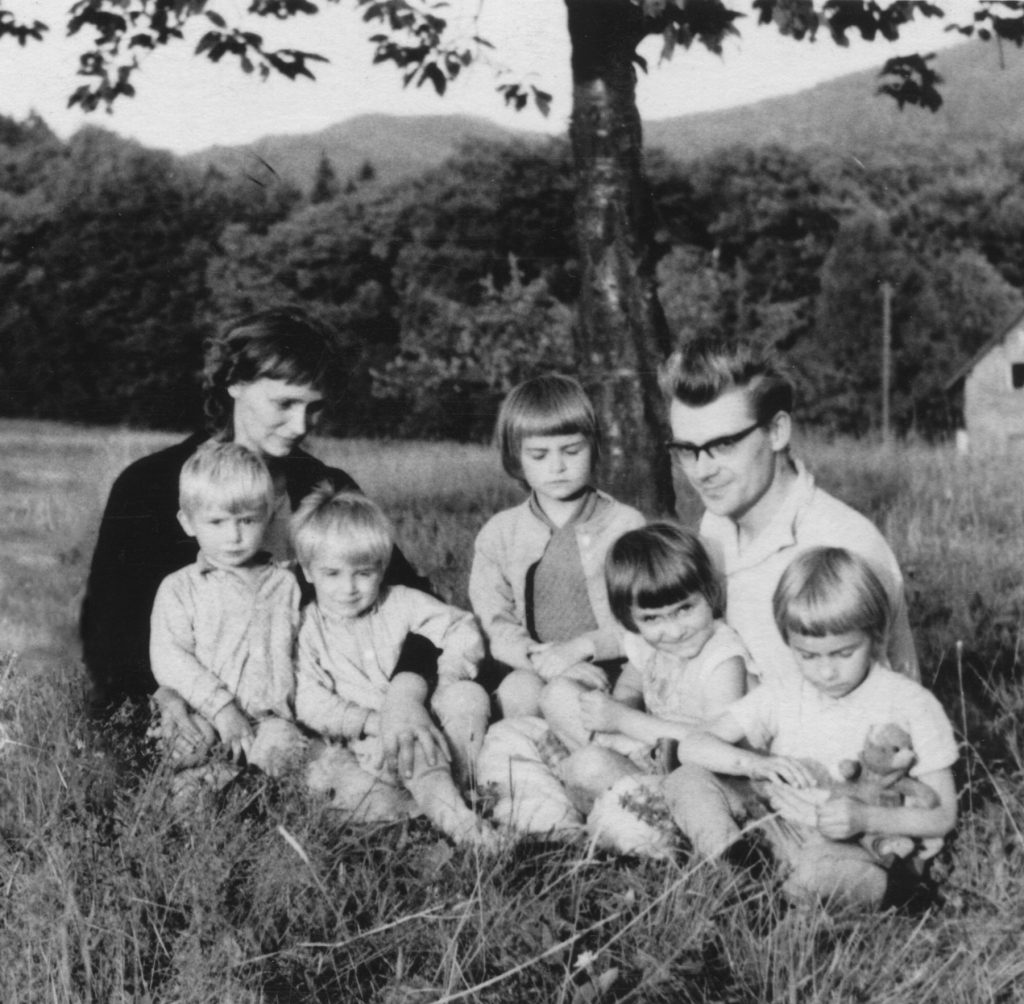
Source: Private archive of D. Němcová, 1963
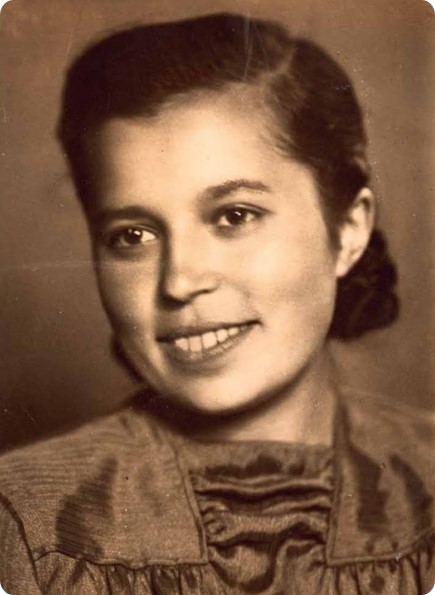
Source: Archive of the Congregation of the Sisters of Charity of St. Vincent of Satu Mare
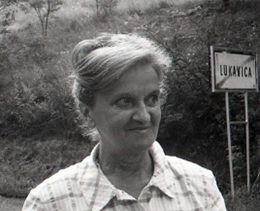
Source: TASR
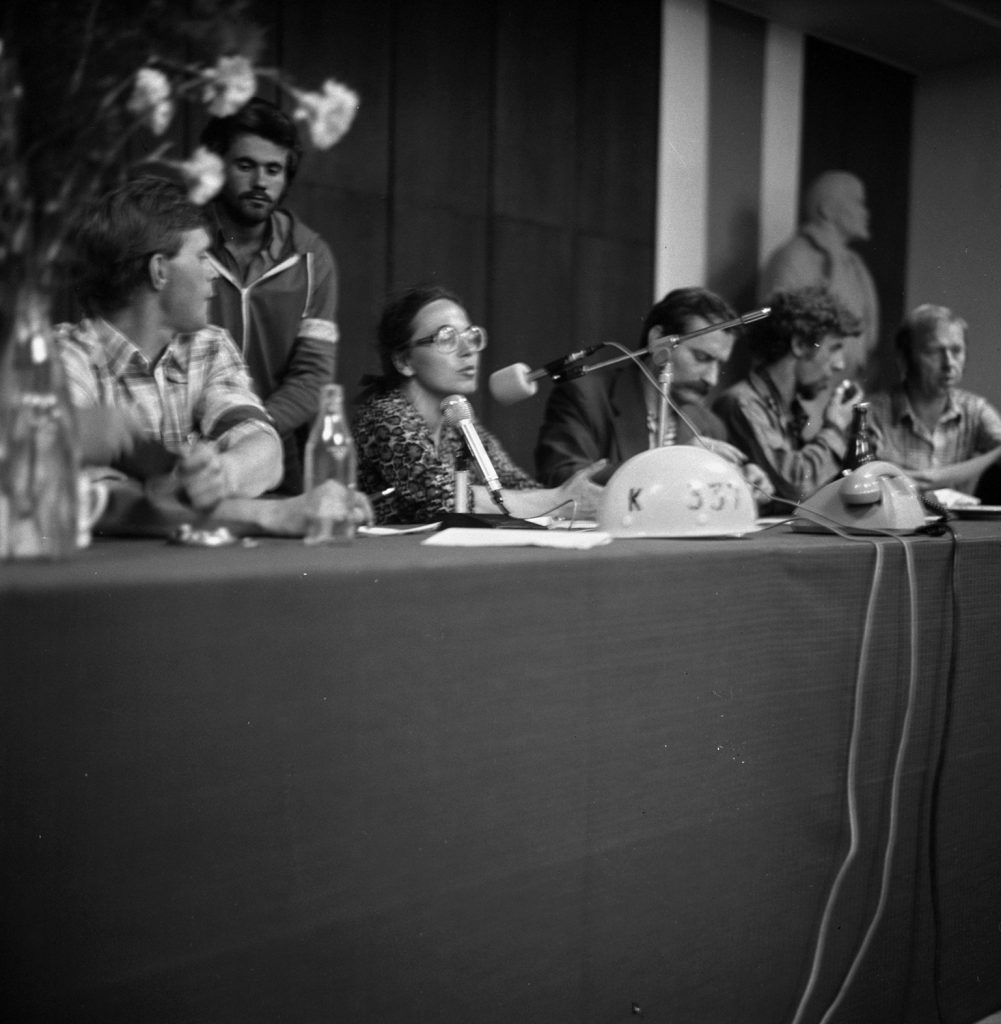
Source: Ośrodek KARTA archive, photo by Zbigniew Trybek