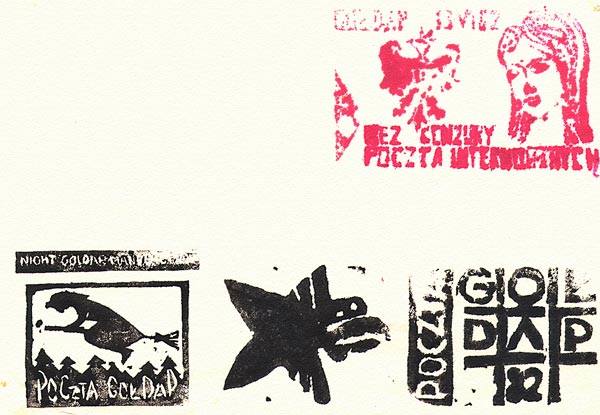

In prison, women faced humiliation and inadequate health care. After their release, they continued to be monitored by the secret police and had difficulty finding work. It was important to inform foreign media and human rights organizations about the trials, prison conditions, and the humiliating treatment of detainees.
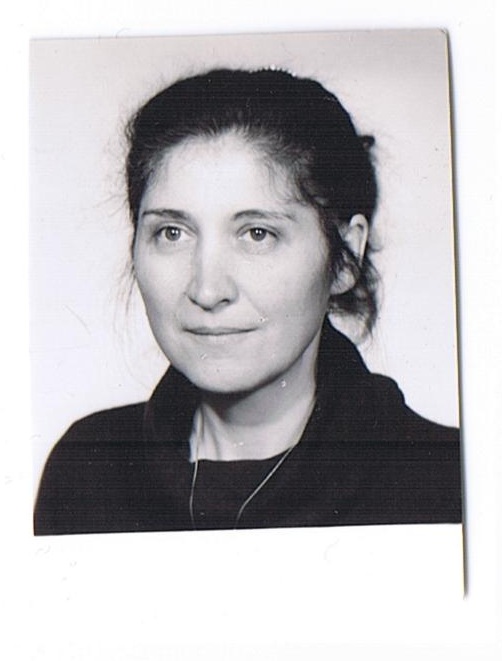
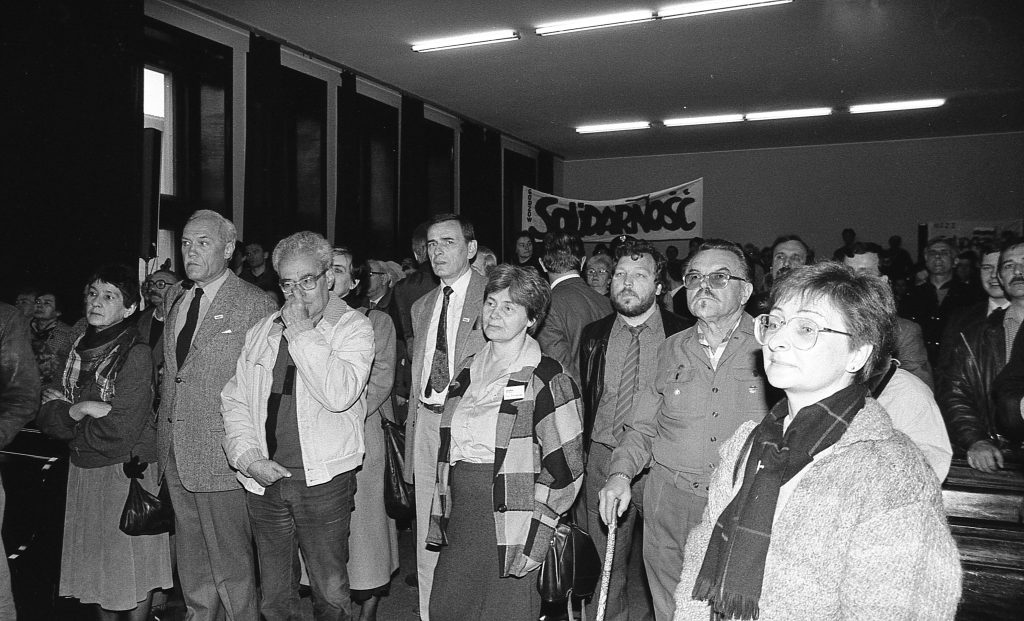
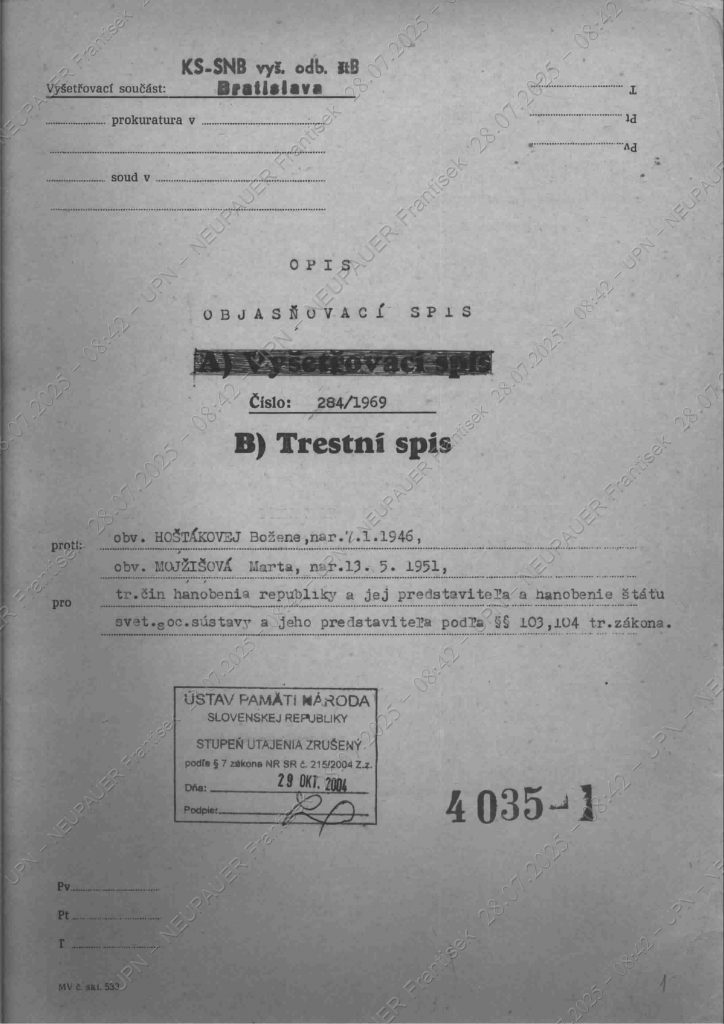
Božena Hoštáková spent five months in a men’s prison in Ilava in 1969 as a 19-year-old student for writing slogans against the occupation of Czechoslovakia by Warsaw Pact troops. „The cell was like something from the 1950s, when they interrogated people. I only had cold and darkness in there. They let me out for a mere hour. When I came out of the darkness into the light, tears streamed from my eyes.“ In 1983, Zofia Romaszewska wrote an open letter to the communist government from prison, describing the reality: „You receive your food through the bars, through an opening… if you want to torment a prisoner, you order him to strip naked.“
Krystyna Stachowiak: „They took me to the police headquarters in a large police van. There, they forced me to strip naked. I had to do squats and stick my butt out so they could check if I was hiding anything. They humiliated me, treating me like a thief or a criminal.“
Emília Pastvová: „The whole thing was humiliating. They thought I was Roma and treated me accordingly. Since then, I understand Roma people. During a gynecological examination, without even examining me, the doctor announced that I had syphilis. After the examination, he did not apologize. Some guards enjoyed provoking female prisoners, and when an incident occurred, they found it amusing. At night, they teased the dogs to make them bark and thus making the prisoners‘ sleep more „pleasant.“