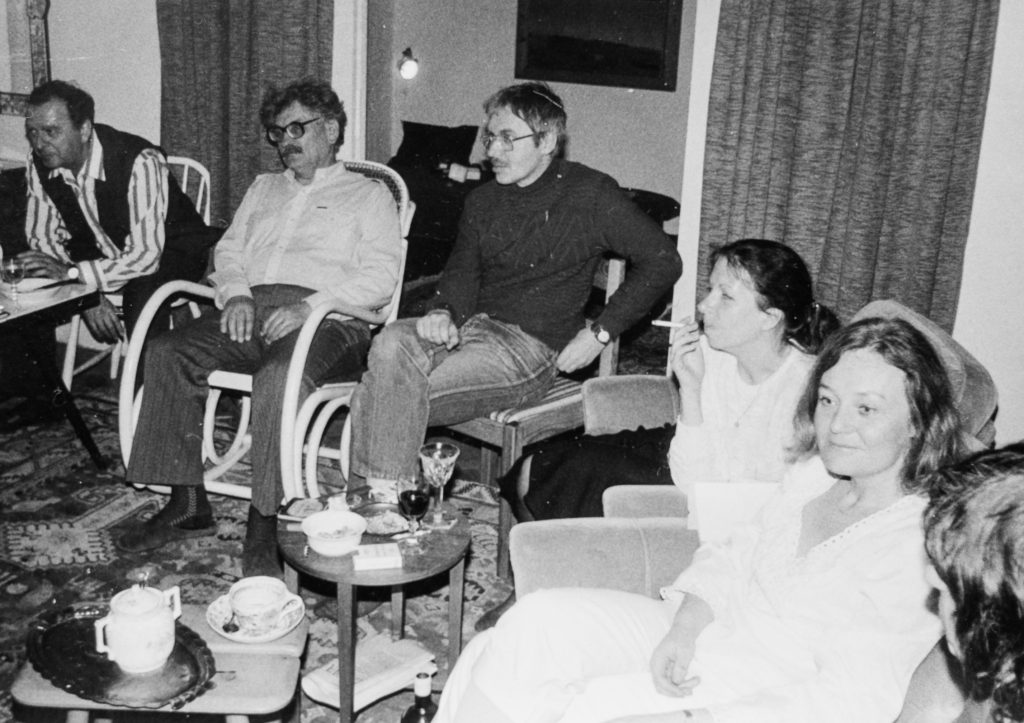
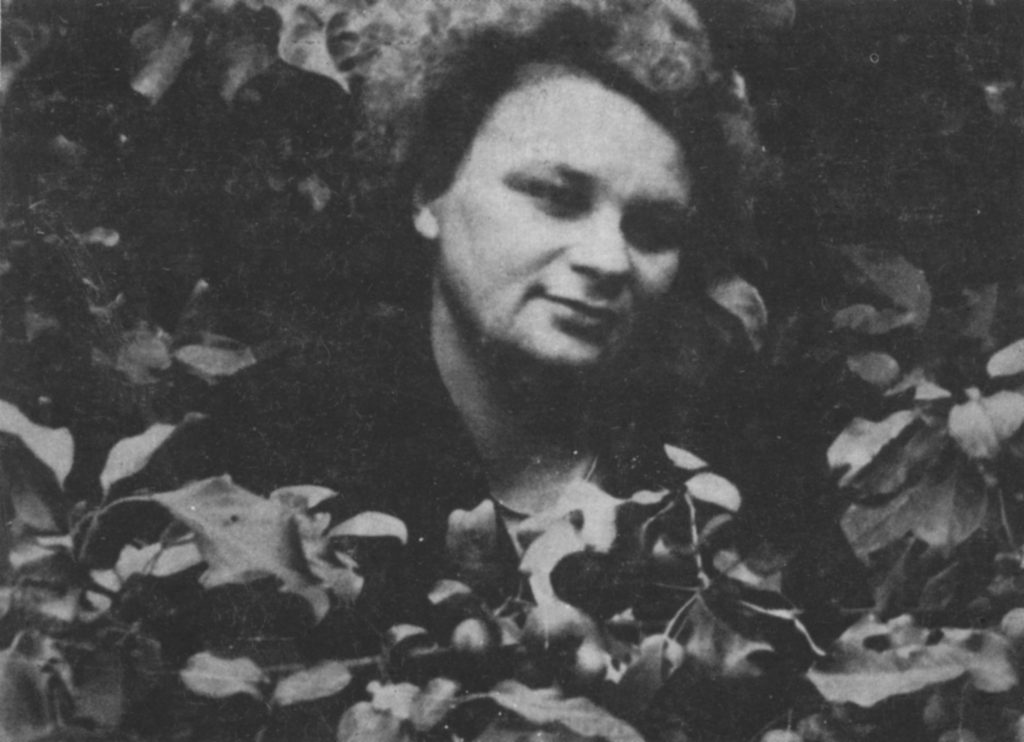
Bans on official creative work and performances for those who disobeyed, censorship, and restrictions on artistic freedom by the communist regime – i.e., the ability to exhibit, publish, make films, or perform in the theater – led artists to create a parallel culture independent of the state. It was co-created by writers, actresses, painters, and curators.
Eva Kantůrková: „My curiosity as a writer also helped me: nowhere else did I learn as much about people as I did in prison. I knew how to listen, and my fellow inmates had a strong need to talk. Perhaps that is why I was able to write the book Friends from the House of Sorrow.“
Barbara Sadowska: “I heard helplessness, now I don’t know if it was the militia or state security, when they told me: ‚We can’t touch you, Sadowská, but we’ll take care of your son‘. (…) I thought they would call him up into the army, summon him to the station, and implicate him in some criminal affair. I didn’t think they would be capable of killing him. Perhaps some madman thought of that later. They knew us and knew that neither Grzesiek nor I were afraid. And that always makes people feel helpless.“
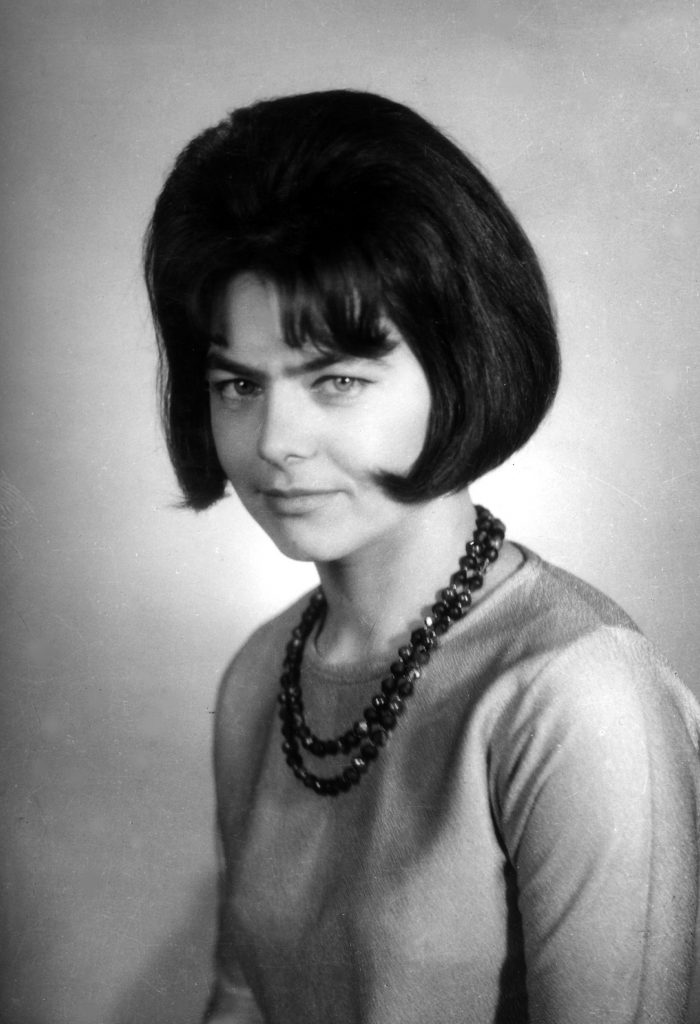
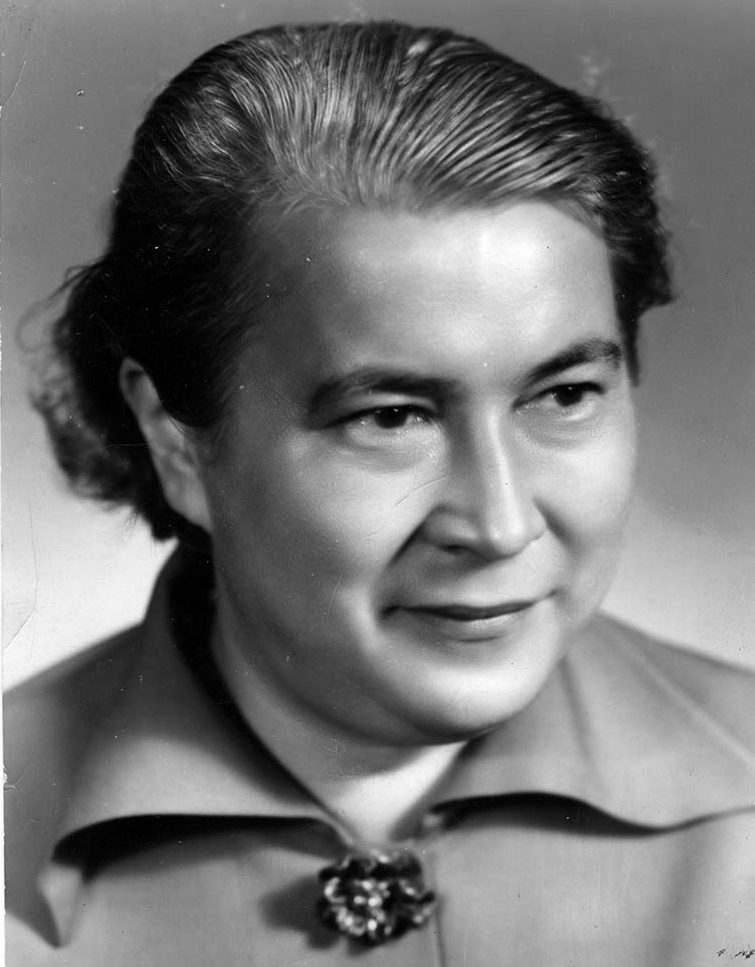
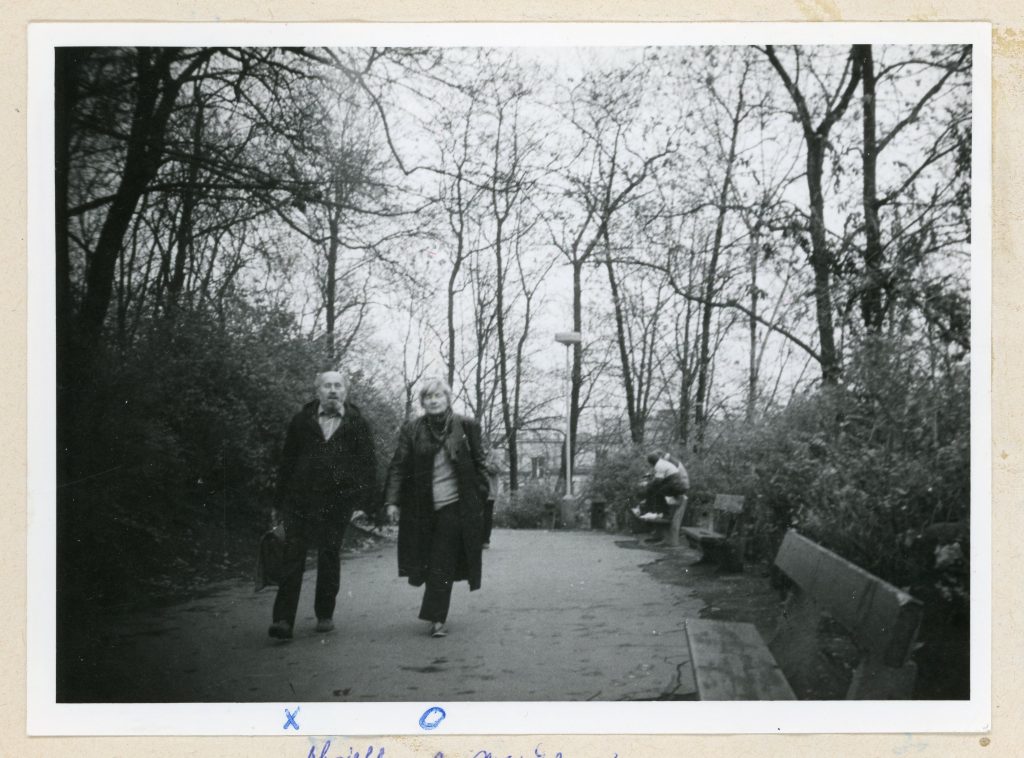
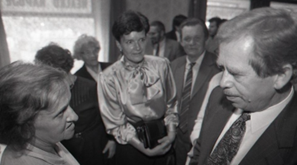
Writer and dissident Anka Kowalska maintained an information database on repression and passed on reports to foreign journalists; she was active in the Workers‘ Defense Committee (KOR). In October 1979, she took part in a hunger strike at the Church of the Holy Cross in Warsaw in support of political prisoners in Czechoslovakia. During martial law, she published a collection of poems from an internment camp through an underground publishing house. Poet Barbara Sadowska, involved in opposition activities and samizdat, was beaten by „unknown perpetrators.“ Her son Grzegorz Przemyk died after interrogation at a police station as a result of blows to the abdomen. Anka Kowalska, Source: National Digital archiveWriter Zora Jesenská was one of the first in the Eastern Bloc to translate Boris Pasternak’s banned novel Doctor Zhivago. After participating in an anti-Soviet demonstration in Bratislava in March 1969, she was banned from any public appearances. The protest was harshly suppressed and Jesenská was beaten by the police. Jesenská published a courageous article about the whole incident in the Letters. „This public appearance (one of her last…) was the first time that any intellectual in Slovakia had so clearly expressed opposition to the practices of the security forces at the time,“ writes Eva Maliti Fraňová in her book Taboo Translator Zora Jesenská. Source: Prvezeny.skImprisoned writer and Charter signatory Eva Kantůrková was among the banned authors of the 1970s and 1980s. Her previous books were destroyed and removed from public libraries. In 1980, she published a book of interviews with women of the dissent We Met in This Book, through the exile publishing house Index. In the photo, she is pictured with her husband in a secret police surveillance photo. Source: Security Services Archive (ABS), SNB Surveillance Administration Fund – Files, Arch. Nr. SL-414 MV (code name “Author”)The prominent Slovak prose writer Hana Ponická repeatedly refused to cooperate with the regime, which first tried to intimidate her and then attempted to lure her with promises of large fees. She was eventually labeled an “Enemy of the people, category I.” Pictured left with President Václav Havel on 18 August 1992, Source: TASR, photo by Vladimír BenkoProse writers Eda Kriseová and Lenka Procházková at the so-called Quarter, one of the secret meetings of writers associated with the samizdat monthly Content and Edition Latch at Ludvík Vaculík’s house (center, from left Milan Uhde, from right Jiří Kratochvil). Source: Private archive of E. Kriseová The 1975 open letter by Polish intellectuals, „Letter 59“ protesting changes to the constitution, was signed by poet Anna Kamieńska, among others. She also joined the „Appeal 64“ call to the government in support of striking workers at the Gdańsk shipyards in August 1980. Source: Rainy Summer, Wikimedia Commons
Za účelem zlepšení našich služeb využíváme soubory cookies. Využívání našich webových stránek znamená, že cookies budou ukládány do Vašeho zařízení. Nastavení Vašeho prohlížeče lze kdykoli změnit. Zobrazit politiku cookies Read MoreACCEPT
Privacy & Cookies Policy
Privacy Overview
This website uses cookies to improve your experience while you navigate through the website. Out of these, the cookies that are categorized as necessary are stored on your browser as they are essential for the working of basic functionalities of the website. We also use third-party cookies that help us analyze and understand how you use this website. These cookies will be stored in your browser only with your consent. You also have the option to opt-out of these cookies. But opting out of some of these cookies may affect your browsing experience.
Necessary cookies are absolutely essential for the website to function properly. This category only includes cookies that ensures basic functionalities and security features of the website. These cookies do not store any personal information.
Any cookies that may not be particularly necessary for the website to function and is used specifically to collect user personal data via analytics, ads, other embedded contents are termed as non-necessary cookies. It is mandatory to procure user consent prior to running these cookies on your website.